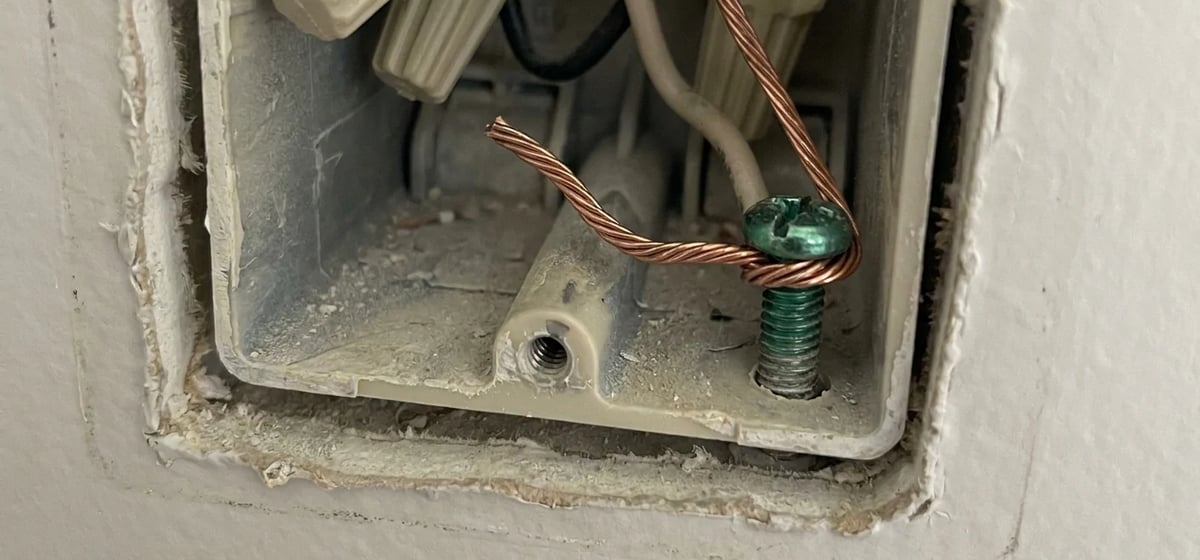
What a Ground Wire Is
A ground wire is a crucial safety feature in your home. It gives stray electrical current a safe path to the earth if a fault happens. The term comes from the physical connection this wire makes to the ground outside your house. Early telegraph systems in the 1830s used the actual earth as a return path for circuits. Today, it protects you from shocks. You will usually see it as a bare copper wire or a green coated wire inside your electrical boxes. It connects all your outlets and switches back to your main electrical panel. From there, a thick copper wire goes outside and clamps to a metal rod driven deep into the dirt. This system ensures that every metal electrical box and appliance case in your house connects directly to the earth.
Why It Matters to You
Electricity always looks for the easiest path to the ground. If a hot wire comes loose inside your washing machine, the metal case of that machine can fill up with electricity. If you touch it, the current will travel through your body to reach the ground. A ground wire gives that electricity a much easier path to take. Instead of shocking you, the current flows down the ground wire back to the panel. This sudden surge of current causes the circuit breaker to trip and cuts off the power instantly.
A proper ground wire keeps your family safe. It also protects your expensive electronics from power surges. Surge protectors only work if they have a working ground wire to send the extra voltage into the earth. You can learn more about how your panel and circuits work in our Electrical guide.
Where You Will See It
You will run into ground wires anytime you change a light fixture, swap a ceiling fan, or upgrade an outlet. When you open a plastic or metal switch box, you will see a cluster of bare copper wires twisted together at the back. You will also see a green screw on the side of modern outlets and switches. The ground wire wraps tightly around this green screw.
Older homes built before the 1960s often lack ground wires completely. If you have two-prong outlets instead of three-prong ones, your home might not be grounded. Upgrading an ungrounded home is a very big job. An electrician will charge anywhere from 4,000 to 10,000 dollars to completely rewire an older house, though exact costs vary based on your location and home size. You might also spot ground wires attached to your plumbing pipes. This process is called bonding, and it prevents your metal water pipes from carrying an electrical charge.
What to Watch For
You need to watch out for missing or disconnected ground wires. Sometimes a previous owner will install a modern three-prong outlet but leave the ground screw empty. This creates a false sense of security because you think your appliances are protected when they are not. You can buy a cheap plug-in outlet tester for 10 to 20 dollars at any hardware store. It has three small lights that tell you if the outlet is wired correctly and actually grounded.
If you find ungrounded outlets, you have a few options:
- You can replace the standard outlet with a GFCI outlet. This does not create a true ground, but it protects you from fatal shocks by tripping if it senses a leak.
- You can hire a pro to run new wire through your walls. This gives you a real ground for sensitive electronics like computers and televisions.
You can read more about deciding when to call a professional in our DIY vs. Hiring a Pro article. Finally, check the outside of your house near your electric meter. You should see a thick bare wire clamping to a metal pipe or a long rod hammered into the dirt. If that wire is broken, loose, or missing, call an electrician right away. Fixing a broken grounding rod connection usually costs 150 to 300 dollars, but ranges vary.