What Is a Ground Rod?
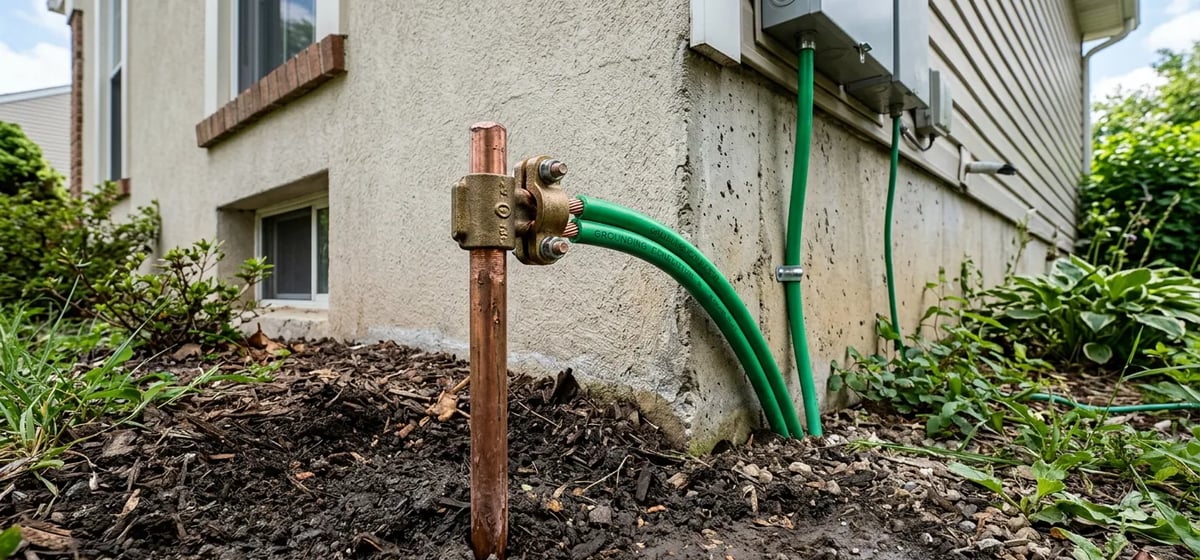
A ground rod is a long metal pole driven deep into the earth right outside your house. It's usually made of copper or galvanized steel. This rod connects directly to your main electrical panel with a thick copper wire. The concept of grounding electricity goes back to Benjamin Franklin and his early lightning experiments. The term literally describes a metal rod that connects your electrical system to the ground.
Most homes have at least one ground rod, but many modern building codes require two. These rods are usually eight feet long. They sit almost entirely underground. You might only see the very top few inches sticking out of the dirt near your foundation.
Why Grounding Matters for Your Home
Electricity always looks for the easiest path to the earth. A ground rod gives stray electricity a safe and direct path into the dirt. Without a ground rod, that electricity might travel through your home wiring, your appliances, or even you.
This simple metal pole protects your house from several common dangers.
- It safely absorbs sudden power surges from the local utility grid.
- It directs energy from nearby lightning strikes away from your home.
- It helps stabilize the voltage running through your daily Electrical system.
- It lowers the risk of electrical fires and damaged electronics.
When you plug a device with a three-prong plug into an outlet, that third round prong connects to the ground wire. That wire eventually leads straight to your ground rod.
Where You'll Find It
You can usually find your ground rod outside your house. Walk to the spot where your electric meter attaches to your exterior wall. Look down at the ground directly below the meter. You should see a thick copper wire coming out of the house or the meter box. Follow that wire down to the dirt.
The wire will clamp onto the top of a metal rod. Sometimes the rod is buried a few inches below the soil. Other times, you'll see a couple of inches of the rod sticking up above the grass or mulch. If you have an older home, you might find the wire clamped to a metal water pipe instead of a rod. Modern building codes usually require actual ground rods. If you're upgrading your panel or preparing for a sale, a home inspector will likely check this. You can learn more about the inspection process in our guide to Buying a Home.
What to Watch For
Ground rods are very tough, but they don't last forever. Soil conditions, moisture, and time can wear them down. You should check your ground rod once a year to make sure it's still doing its job.
Look for these warning signs.
- The metal clamp holding the wire to the rod is loose or missing.
- The copper wire is cut, frayed, or totally disconnected.
- The rod itself is badly rusted or corroded.
- You feel small shocks when you touch metal appliances in your home.
If you see any of these issues, you need to call a licensed electrician immediately. Don't try to fix a broken ground wire yourself. This is a very important safety feature for your home.
Repair and Replacement Costs
Fixing a ground rod is usually a fast job for a professional. The parts are cheap, so you mostly pay for the electrician to come out and do the labor. Keep in mind that exact prices will vary based on where you live and local labor rates.
If the rod is fine but the clamp is loose, an electrician might charge 75 to 150 dollars to replace the clamp and secure the wire. If you need a brand new ground rod installed, expect to pay between 150 and 300 dollars. If your local code requires two rods, the total cost might rise to 300 to 500 dollars. You can read more about dealing with professionals in our guide to Hiring Contractors & What Things Cost.