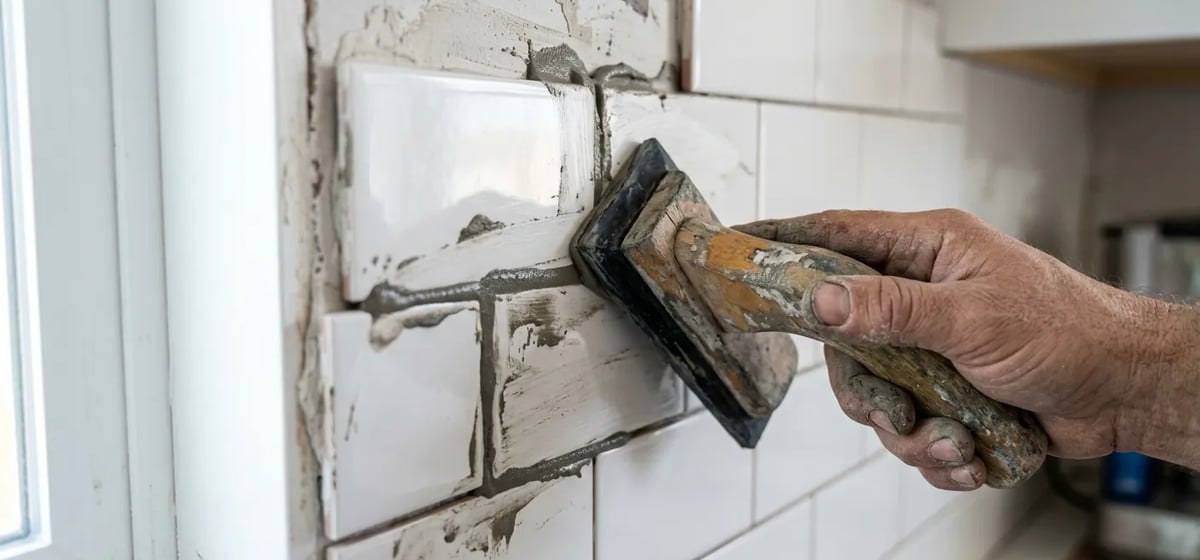
What Grout Is
Grout is a thin, sandy mixture you will find filling the gaps between tiles in your bathroom, kitchen, or hallway. It locks the tiles in place and keeps water from seeping behind them. The word actually comes from the Old English word grut, which meant coarse meal or porridge. Masons later adapted the word to describe any coarse mixture they used to fill cracks. Today, it is an essential part of any tile job. Without it, your tiles would shift, crack, and let water ruin the walls or floors underneath.
Why It Matters to Your Home
You might not think about grout until it gets dirty or starts falling out. But it plays a huge role in protecting your house. When you look at your Flooring, the grout lines act like tiny shock absorbers. They give the tiles room to expand and contract slightly when the temperature changes. This slight flexibility keeps the rigid tiles from snapping.
In wet areas like a shower or a kitchen backsplash, grout is your first line of defense against water damage. If it cracks or crumbles, water will get behind the tile. That trapped moisture can rot the wood framing and invite black mold to grow inside your walls. Eventually, a tiny crack can turn into a huge repair bill.
Common Types of Grout
Contractors use a few different types of grout depending on the specific job and the size of the gaps.
- Sanded grout: This is the most common type for floors. It has very fine sand mixed in to give it extra strength. You use it for wider gaps that are larger than one eighth of an inch.
- Unsanded grout: This type has no sand. It is much smoother and works best for very tight grout lines. People often use it with delicate tiles that sand might scratch, like glass or polished marble.
- Epoxy grout: This is a premium option made from resins instead of cement. It is incredibly tough, completely waterproof, and blocks stains perfectly. It costs more but lasts much longer in wet areas.
Grout vs. Caulk
Many homeowners confuse grout with caulk. They are not the same thing. Grout is a hard, cement mixture used between tiles on a flat surface. Caulk is a rubbery, flexible paste used where two different surfaces meet. For example, you use grout between the tiles on your shower wall. But you must use caulk in the corners where the walls meet, or where the bottom row of tile meets the bathtub. If you put grout in a corner, it will quickly crack because the walls shift and move independently.
Maintenance and Costs
Standard cement grout is naturally porous. That means it acts like a hard sponge. If you spill coffee on an unsealed floor, the liquid will soak right in and leave a permanent stain. To prevent this, you have to seal it regularly. A good rule of thumb is to apply a fresh coat of sealer every one to two years.
You also need to watch for cracks and missing chunks. Houses settle over time, and this movement can cause stiff grout lines to crack. If you see a gap in your shower wall, you need to scrape out the loose pieces and fill it with fresh grout. You can tackle this yourself if you have the time, or you can read our guide on DIY vs. Hiring a Pro to help you decide if you want to hire a handyman.
Repairing or replacing old grout is called regrouting. If you hire a professional to regrout a standard shower, expect to pay 400 to 800 dollars. The exact price depends on your location and the size of the tiles. Smaller tiles mean more lines to scrape and fill. If you just need a handyman to patch a few cracked spots, they might charge a minimum trip fee of 150 to 250 dollars. A bottle of high quality sealer costs about 20 to 40 dollars at the hardware store if you want to do the maintenance yourself. Keep in mind that all these prices vary widely across the country.