What is a Hardiness Zone?
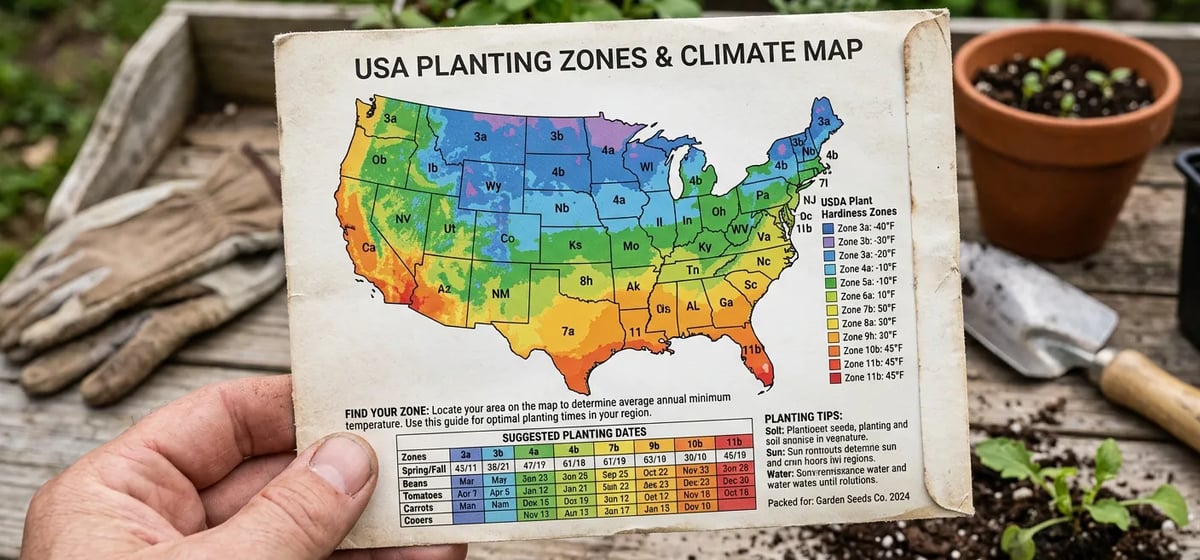
A hardiness zone is a specific geographic area defined by how cold its winter temperatures get. The United States Department of Agriculture created this mapping system back in 1960. They used the word hardiness to describe a plant ability to survive harsh winter conditions. Today, you use these zones to figure out which trees, shrubs, and flowers will actually survive the winter in your specific yard.
The map splits North America into 13 major zones. Zone 1 is the coldest, like northern Alaska. Zone 13 is the warmest, like parts of Hawaii and Puerto Rico. Most of the continental United States falls somewhere between Zone 3 and Zone 10. Each zone represents a 10 degree difference in the average lowest winter temperature.
Why It Matters to Your Wallet
Understanding your zone saves you from wasting money on plants that will just die. If you live in a colder area like Zone 5 and you buy a beautiful palm tree rated for Zone 9, the first winter freeze will likely kill it. You will have to dig it up and throw it away. When you are planning a garden or doing major work covered in our guide on Landscaping, Drainage & Outdoor, picking the right plants is crucial.
Landscaping isn't cheap. A small perennial flower might cost $10 to $25. Larger shrubs often run $50 to $150. A mature tree can easily cost $200 to $800 or more. If you plant a whole row of hedges that can't handle your local winter, you could lose thousands of dollars in a single cold snap. Always check the plant tag at the nursery. It will clearly state the hardiness zones where that plant thrives.
How to Find Your Zone
Finding your exact zone is very simple. You just go to the official USDA website and type in your zip code. The map is color coded and easy to read.
You will notice that the main zones are split into two subzones, labeled "a" and "b". For example, Zone 6 is divided into Zone 6a and Zone 6b. This split just means the map gets more specific. Zone 6a has average low temperatures of negative 10 to negative 5 degrees. Zone 6b has average lows of negative 5 to 0 degrees. When you shop for plants, most tags just list the main number. But knowing your exact letter helps if you want to push your luck with a delicate plant.
What to Watch For in Your Yard
Even if you buy the right plants, you still need to pay attention to your specific property. The USDA map gives you the average lowest temperature over a 30 year period. It doesn't predict freak weather events. A massive winter storm can still drop temperatures well below your normal zone limits.
You also have microclimates right in your own yard. A microclimate is a small spot where the temperature is slightly different from the surrounding area. Here are a few common examples.
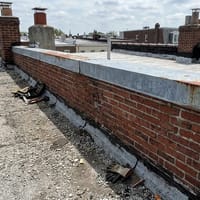
- A brick wall facing the sun stays much warmer than the rest of the yard.
- A low spot at the bottom of a hill traps cold air and frost.
- An area right next to your house foundation is protected from harsh winter winds.
- A spot under a large evergreen tree stays dry and sheltered from snow.
If you have a plant that barely survives in your zone, plant it in a warm microclimate. Put it near a south facing brick wall so it gets extra heat. If you have a very tough plant that handles the cold easily, you can put it in the colder, exposed parts of your yard.