What is hardscaping?
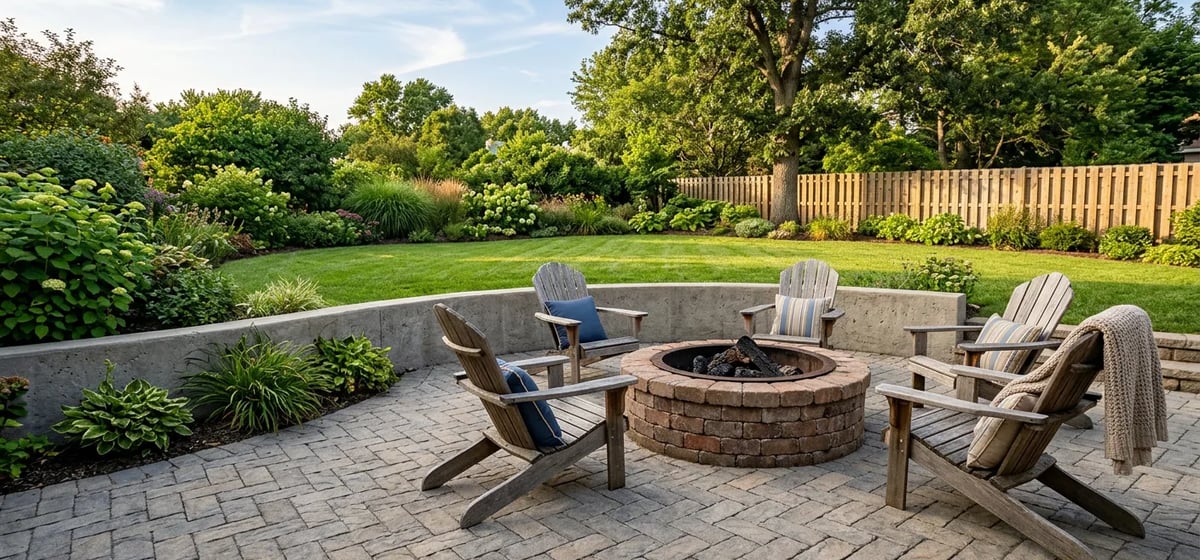
Hardscaping forms the solid, heavy foundation of your yard. If you can walk on it, park your car on it, or sit on it, it's likely hardscape. This category includes concrete driveways, brick patios, stone retaining walls, and wooden decks. You can think of it as the skeleton of your outdoor space. It gives your yard shape and structure long before you add any living plants. Those living plants are called softscape. Together, your hardscape and your softscape make up your total outdoor landscape.
Most hardscape materials are permanent. Once you pour a concrete slab or build a heavy stone wall, moving it isn't easy. This means you need to plan these projects carefully. You want to make sure your walkways lead exactly where you need to go. You'll also want your patios to be large enough for your outdoor furniture.
Why hardscaping matters to you
Good hardscaping does much more than just look nice. It solves real physical problems in your yard. Retaining walls hold back loose dirt and stop soil erosion. Patios give you a clean, level place to entertain guests. Stone walkways keep your feet out of the mud after a heavy rain.
Most importantly, built structures manage how water flows around your house. A poorly planned patio can push rainwater right toward your house and flood your basement. You can learn more about managing yard water in our guide to Landscaping, Drainage & Outdoor. A smart hardscape layout always moves water away from your home.
Hardscaping also cuts down on your weekly yard work. A large stone patio means you have less grass to mow. A thick gravel path means you have fewer weeds to pull. Many homeowners use hardscape to replace fussy lawns with low maintenance outdoor living spaces.
Common projects and costs
Hardscape projects require heavy materials and a lot of physical labor. Because of this, they're usually the most expensive part of any yard makeover. Costs depend heavily on the materials you choose and your local labor rates. A simple poured concrete slab is fairly cheap. Natural flagstone is very expensive. Prices vary widely by region, but here are some typical US ballpark costs to help you budget.
| Project Type | Ballpark Cost | Details |
|---|---|---|
| Concrete Patio | $5 to $15 per square foot | Basic poured concrete. Stamping or coloring costs more. |
| Brick Pavers | $10 to $25 per square foot | Takes more labor to level the sand base and lay each brick. |
| Wooden Deck | $25 to $50 per square foot | Treated pine is cheaper. Cedar or composite boards cost more. |
| Retaining Wall | $40 to $100 per face square foot | Requires deep trenches, gravel backfill, and heavy blocks. |
| Gravel Walkway | $2 to $5 per square foot | The cheapest option. Requires plastic edging to hold the rocks. |
What to watch out for
Before you pour concrete or build a block wall, you need to do some homework. Hardscaping changes the permanent footprint of your property. This means you'll often need a building permit from your city. You also need to check with your neighborhood group before you start. Read more about these rules in our guide to Neighbors & HOAs.
You'll also have to think about underground utility lines. Never dig a deep trench for a retaining wall without calling your local utility marking service first. Hitting a buried power line or water pipe is dangerous and very expensive to fix.
Finally, remember that hardscape still needs some maintenance. Plan for this regular upkeep before you commit to a massive stone project:
- Wood decks need fresh stain every few years to stop rot.
- Concrete driveways crack over time and need regular sealing.
- Brick patios grow weeds in the sand joints and need spraying.
- Gravel paths shift around and need fresh rock added over time.
You can find more tips on outdoor upkeep in our Exterior: Siding, Garage & Decks guide.