What It Is and How It Works
The word element comes from the Latin word elementum. This means a basic principle or part. Appliance makers use this term for the core piece that turns raw electricity into usable heat. A heating element is simply a thick metal coil or wire. When electricity flows into it, the special metal resists the electrical current. This resistance causes friction. The friction makes the metal heat up and glow red hot.
This simple process is how your home gets a lot of its heat. The coil doesn't create a flame. It just uses pure electrical resistance. Because they get so hot, these parts are built to handle extreme temperature changes. However, the constant heating and cooling eventually wears the metal out.
Where You Will Find Heating Elements
You rely on heating elements every single day. They are the hidden workhorses in many of your Appliances. Here are the most common places you'll find them in your house.
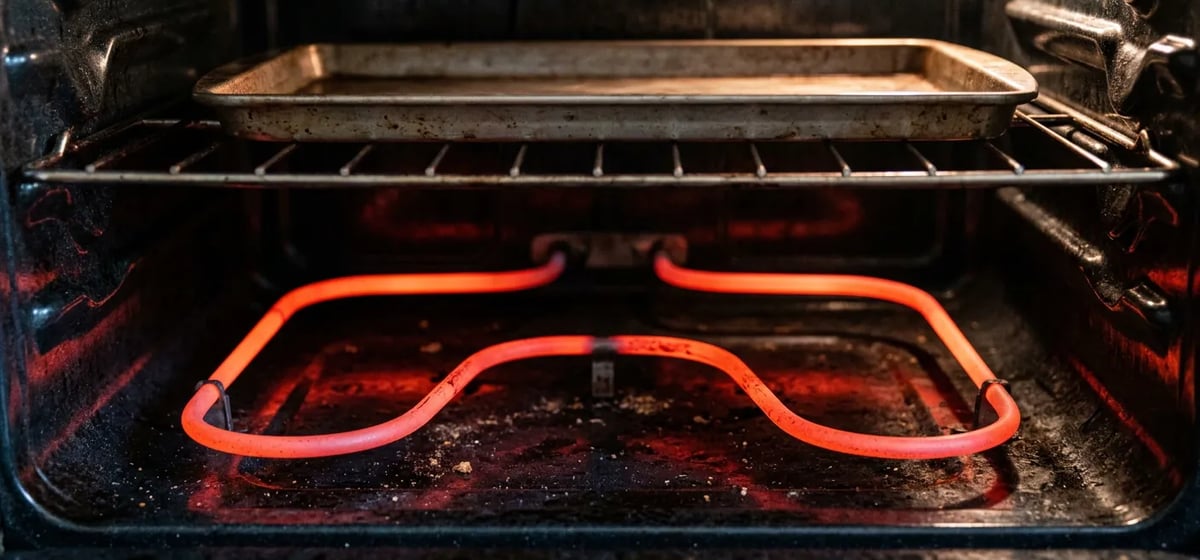
- Electric Ovens: Most electric ovens have two heating elements. The bake element sits at the bottom of the oven cavity. The broil element hangs at the top.
- Electric Water Heaters: A standard electric water heater tank usually has two elements. They are submerged directly in the water. One sits near the top of the tank, and one sits near the bottom.
- Clothes Dryers: Your electric dryer has a large heating coil. It sits inside a metal housing behind the spinning drum. A fan blows air over this hot coil to dry your wet clothes.
- Dishwashers: Look at the bottom of your dishwasher tub. You'll see a small, curved metal rod. This is a heating element that heats the water and bakes your dishes dry at the end of the cycle.
Signs of a Bad Heating Element
Heating elements fail all the time. The metal expands when it gets hot and shrinks when it cools down. After years of use, the metal becomes brittle and cracks. Sometimes it literally burns in half.
If your oven stops baking your food, open the door and look at the bottom coil. Turn the oven on. If the coil stays black instead of glowing bright orange, it's probably dead. You might even see a blister, a white spot, or a clean break in the metal. If your clothes dryer tumbles but the clothes stay cold and wet, the dryer element likely snapped. If you run out of hot water halfway through a shower, the lower element in your water heater might be coated in hard water minerals or completely burned out.
Safety Warning: A broken heating element can sometimes short out and spark. If you see sparks or smell burning plastic, turn off the appliance immediately. Go to your breaker box and shut off the power to that machine until you can fix it.
Replacement Costs and Lifespan
Replacing a heating element is one of the most common home repairs. Most elements last 8 to 15 years. The lifespan depends on how often you use the machine. Hard water can also ruin water heater elements much faster.
The replacement parts are surprisingly cheap. You can buy them at most hardware stores or order them online. The real cost comes from the labor if you hire a repair person. You can learn more about when to pay for labor in our DIY vs. Hiring a Pro guide. Always remember that prices vary by your location and the brand of your machine.
| Appliance | Part Cost | Pro Installation Cost |
|---|---|---|
| Electric Oven | 20 to 60 dollars | 150 to 250 dollars |
| Electric Water Heater | 15 to 30 dollars | 150 to 300 dollars |
| Clothes Dryer | 30 to 100 dollars | 150 to 250 dollars |
If you want to save money, changing an oven bake element is a great beginner project. You usually just remove two screws, pull the old coil out, and plug the new one in. You must always unplug the stove or turn off the circuit breaker before you start. Changing a water heater element is a little harder because you have to drain the water tank first.