What Is an Insulated Glass Unit?
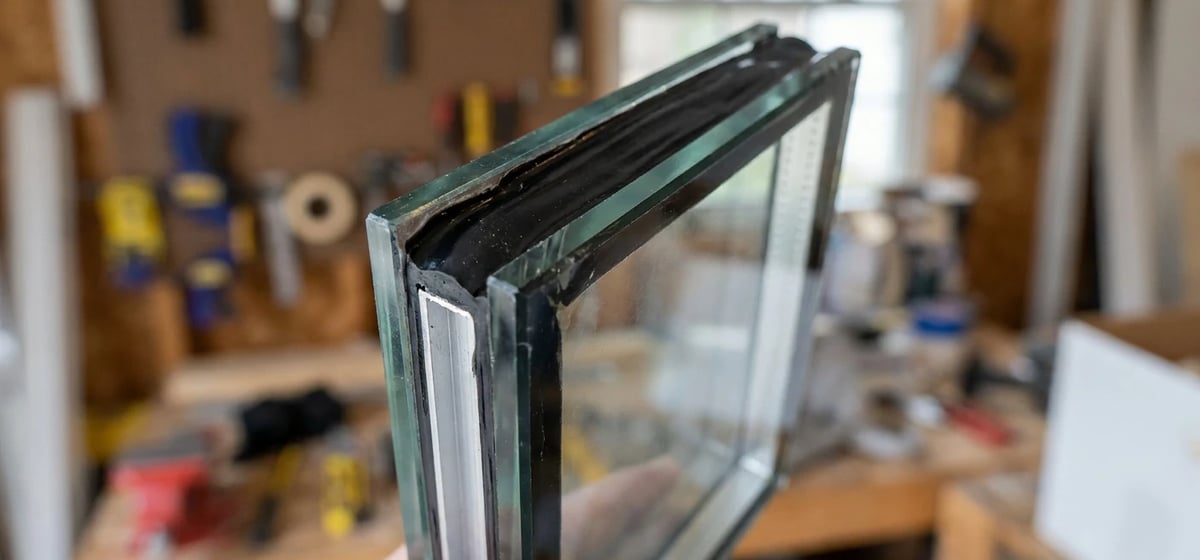
An insulated glass unit is the main part of a modern window. You'll often hear contractors call it an IGU. It's made of two or three panes of glass separated by a spacer. The edges are completely sealed to trap air or a special gas inside. This trapped space is what makes the window work so well. It acts like a blanket for your house.
Most older homes only had one pane of glass. A single pane lets heat pass right through. When manufacturers seal two panes together to make an insulated glass unit, they stop that heat transfer. You can find these units in almost all modern Windows & Doors. The gas inside is usually argon or krypton. These gases are safe, invisible, and better at stopping heat than regular air.
How They Are Made
Every insulated glass unit has a few key parts that work together. The most important part is the spacer. The spacer sits between the panes of glass to keep them exactly the right distance apart. In the past, manufacturers used aluminum spacers. Aluminum transfers cold easily, which caused condensation around the edges of the glass. Today, most units use warm edge spacers made of plastic or special foam. These keep the edges of the glass much warmer.
Another big feature is a low-emissivity coating. You'll usually hear this called a low-e coating. It's a microscopic layer of metal painted onto the inside of the glass. You can't see it, but it acts like a mirror for heat. It bounces the sun's heat away in the summer and reflects your indoor heat back inside during the winter. When you order new glass, you almost always want this coating included.
Why It Matters for Your Home
These glass units do a lot of heavy lifting to keep your house comfortable. In the summer, they block the hot sun from baking your living room. In the winter, they keep your expensive furnace heat inside where it belongs. This takes a huge load off your HVAC & Climate Control system. You'll see the difference on your monthly energy bills.
They also make your home much quieter. The trapped gas and extra glass block street noise and loud neighbors. If you upgrade from old single pane windows to modern insulated units, the silence inside your home is one of the first things you'll notice.
Signs of a Broken Seal
Insulated glass units don't last forever. The seal around the edge expands and contracts every day as the sun hits it. Over time, that seal can crack and fail. When the seal breaks, the special gas leaks out and regular outside air gets in.
Other signs of a broken seal include:
- A milky or cloudy look on the glass that never goes away.
- Drafts or cold spots near the window during winter.
- The glass looks slightly bowed or warped in the center.
- Higher heating and cooling bills.
What It Costs to Replace
If the seal fails, you don't always have to buy a brand new window. Many glass repair companies can replace just the insulated glass unit itself. They leave your existing window frame in the wall and swap out the glass. This is usually much cheaper than a full replacement.
Replacing just the glass unit typically costs between $150 and $400 per window. If the window frame is rotten or damaged, you'll need a full replacement. Full window replacements cost between $600 and $1,200 per window. Keep in mind that these ranges vary based on your location, the size of the window, and the type of gas inside the unit. You can learn more about these prices in our guide on Window Replacement Cost.