What is an insurance binder?
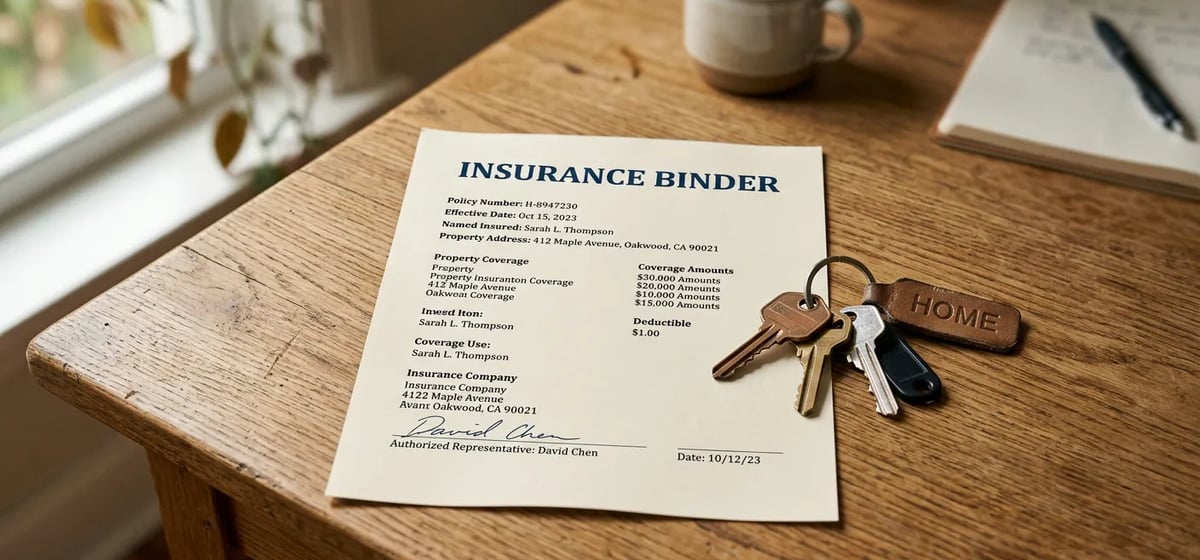
When you buy a house, you need insurance. But insurance companies take time to write up the final official policy. An insurance binder is a temporary legal document. It proves you have home insurance before your official paperwork arrives. The term comes from the legal idea of binding an agreement. Insurance agents have used this word for centuries to describe a temporary contract that holds things together and makes them instantly enforceable. This document guarantees the insurance company will cover any damage to your property while they process your final paperwork.
You can think of it like a temporary receipt. Just like a paper license plate lets you drive a new car while you wait for the metal plates, a binder lets you own a home while you wait for the full policy. It has the exact same legal weight as the final contract. If a tree falls on your roof the day after you move in, the binder forces the insurance company to pay for the repairs.
Why you need it for closing
You usually run into an insurance binder when you are Buying a Home. Mortgage lenders won't let you close on a house without proof of insurance. They need to know their investment is safe from fires, storms, or other disasters from the very first minute you own the property. You must show this binder to your lender on closing day. Without it, the title company will pause the closing and you can't get your keys.
Getting the binder itself doesn't usually cost extra money upfront. Your agent provides it as a courtesy when you agree to buy a policy. However, you will need to pay for the actual home insurance. A typical policy will range from 1200 to 3500 dollars a year, though costs vary widely depending on where you live and the size of your home. You usually pay the first full year of this premium at closing.
What the document includes
An insurance binder is usually a simple document that is only one or two pages long. Your insurance agent will often email it to you or send it directly to your loan officer. It outlines the basic facts of your coverage so everyone knows the rules. A standard binder will list several key details.
- The name of the insurance company providing the coverage.
- Your full name and the exact address of the new house.
- The name and contact information of your mortgage lender.
- The total dollar amount of coverage on the physical house.
- Your chosen deductible amount for claims.
- The exact dates the temporary coverage begins and ends.
What happens after closing
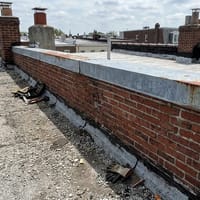
Your insurance binder is not permanent. It usually lasts for a window of 30 to 90 days. During this time, the insurance company does its background work to finalize your account. They will review your application in detail. They might also send an inspector to drive by and look at the outside of your house to confirm the roof condition.
Once they finish their review, they will issue your actual Home Insurance policy. This final document is a thick packet of papers that includes all the fine print and specific rules. You don't need to sign anything new to make this switch happen. Your permanent policy simply replaces the binder automatically before the temporary dates expire.
If you have a home loan, your lender requires proof of this final policy too. Your insurance agent will automatically mail a copy of the final policy to the bank to keep with your Mortgages file. After that, you just need to keep your own copy of the final policy in a safe place.