What is irradiance?
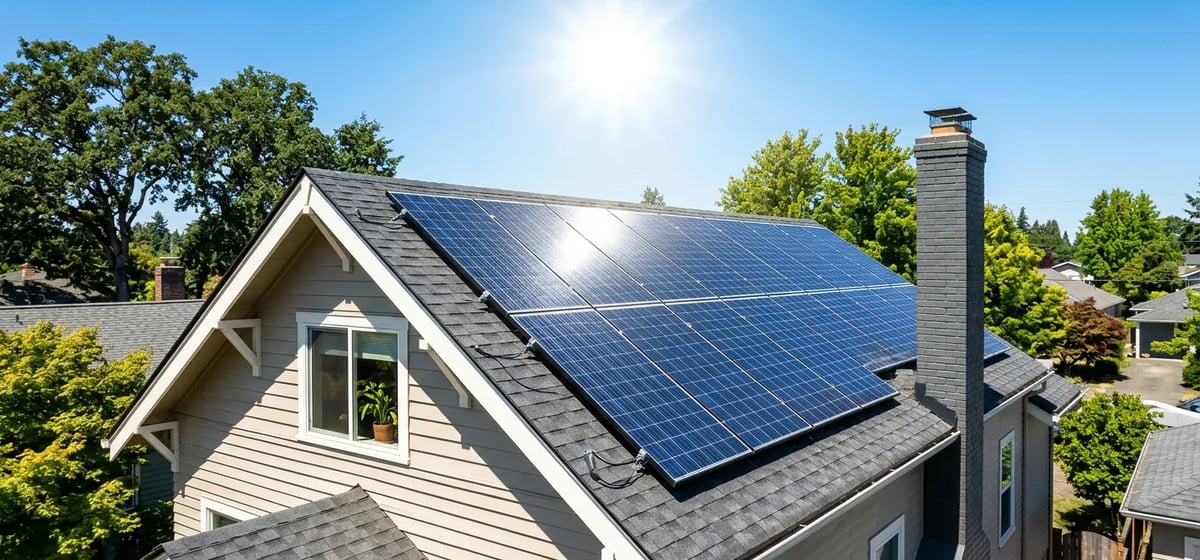
Irradiance is a scientific term that measures the raw power of sunlight hitting a specific surface at any given moment. The word comes from the Latin term irradiare, which means to shine upon. Scientists originally created the word to measure the exact power of electromagnetic radiation coming from the sun. For a homeowner, it simply means how much direct sunshine lands on your roof.
Think of it like water pressure in a hose. If you have high water pressure, you can fill a bucket quickly. If you have high irradiance, your roof gets intense, powerful sunlight that can create a lot of energy in a short amount of time. If you live in a cloudy state, your roof will have a lower rating. This means the sunlight is weaker, just like a hose with low water pressure.
Why it matters for your home
You will mostly hear this word if you decide to install Solar Panels. Solar installers use your local irradiance numbers to figure out exactly how many panels you need to power your house. They do not just guess. They use decades of weather data to see how much sun your specific zip code gets over a full year.
If you live in a sunny place like Arizona, your roof gets very high irradiance. You might only need 15 panels to run your air conditioner and appliances. If you live in a cloudy place like Washington state, your roof gets lower irradiance. You might need 25 panels to generate that exact same amount of electricity. The amount of sun you get directly controls how big your solar system needs to be.
How contractors measure it
When a solar company gives you a quote, they look at a few different things to calculate the sunlight hitting your house. They do not just look at the sky. They use software to build a 3D model of your property.
- Roof angle: The pitch of your roof changes how the sun hits the panels. A steep roof might catch the winter sun better than a flat roof.
- Direction: In the United States, south-facing roofs get the highest amount of daily sunlight. North-facing roofs get the least.
- Shade: Big trees, chimneys, and tall buildings block the sun. Installers subtract this blocked sunlight from your total score.
How seasons change your sunlight
Your irradiance score is not a single, flat number all year long. The amount of raw sunlight hitting your property changes with the seasons. In the summer, the sun sits very high in the sky. The days are long, and the sunlight beams straight down onto your shingles. This creates a massive spike in your daily solar power production.
In the winter, the sun sits much lower on the horizon. The days are shorter, and the light hits your house at a sharp angle. This lower angle means the sunlight has to travel through more of the earth's atmosphere, which weakens its power before it even reaches your roof. A good solar contractor will average out these summer highs and winter lows. They design your system so that the extra power you make in July covers the shortage you experience in December.
What this means for your wallet
Your local sunlight levels have a huge impact on your final project bill. Because low irradiance means you need more panels, your upfront costs will be higher in a cloudy state. A typical residential solar system costs 15,000 to 25,000 dollars before tax credits, though prices and ranges vary widely based on your home size and energy use. If you have to buy ten extra panels just to make up for cloudy weather, your bill goes up.
Before you sign a contract, make sure your roof is actually in good shape. You do not want to install a massive solar array on old shingles. Check out our guide on Roofing to see if you need a replacement first. You should also compare quotes from multiple companies. You can read more about this process in our guide to Hiring Contractors & What Things Cost. A good contractor will gladly show you the math behind your irradiance score and explain why they recommend a specific number of panels.