What is joint compound?
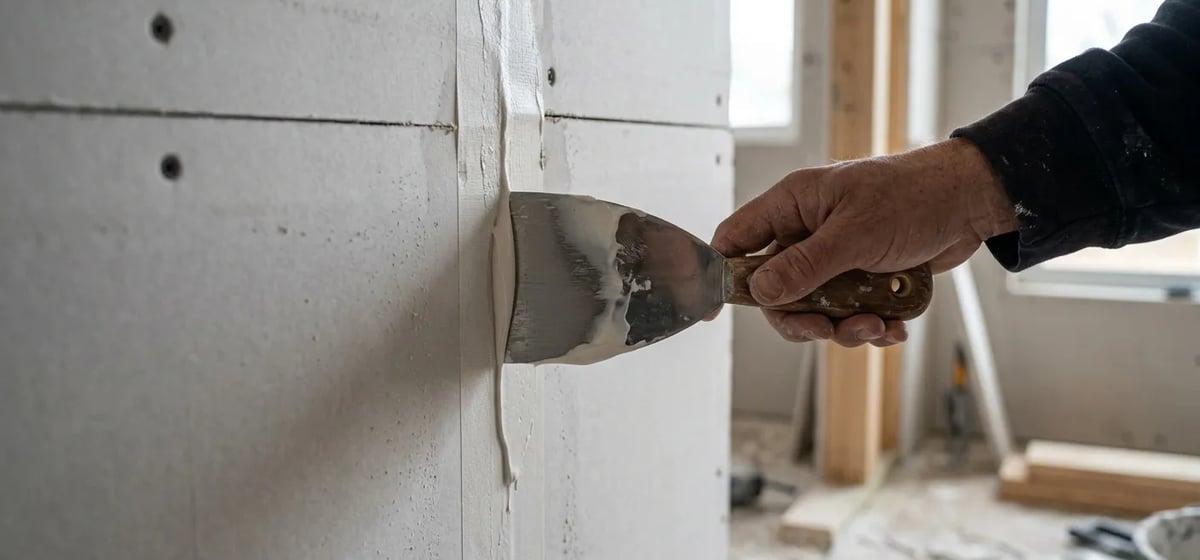
Joint compound is a thick, white paste. Most builders just call it mud. You use it to cover the seams and screws when you install new drywall. You spread it on with a flat blade. Once it dries, you sand it smooth. It makes your walls look like one solid, flat surface before you paint them. The term describes its exact purpose. It's a chemical mixture or compound used to fill the joints where two pieces of drywall meet. It comes pre-mixed with water, so you can use it right out of the bucket. You just need a putty knife or a wide drywall trowel to scoop it out. You will find it in big buckets or boxes at any hardware store. A standard bucket costs roughly 15 to 25 dollars. Prices vary based on your location and the brand.
Different types of mud
When you walk down the hardware store aisle, you will see a few choices. Each type does a slightly different job.
- All-purpose compound: This is the most common type. It takes a long time to dry but is easy to use out of the bucket.
- Lightweight compound: This weighs less than the all-purpose kind. It shrinks less as it dries, which makes it great for filling small nail holes quickly.
- Topping compound: This is a lighter paste. You use it for the final coat because it is very easy to sand smooth.
- Setting-type compound: This comes as a dry powder in a bag. You mix it with water yourself. It dries very fast and dries very hard. You might hear pros call it hot mud.
Where you run into it
You will deal with joint compound anytime you fix a wall. If a doorknob punches a hole in your drywall, you need mud to patch it. If you want to hang a new picture and need to fill the old nail holes, you will use a tiny dab of mud. It's a staple item for basic home maintenance. If you remodel a room, your contractor will use gallons of it. You will see it listed on quotes for any Interior: Paint, Drywall & Trim project.
Contractors apply it in layers. First, they put paper or fiberglass tape over the drywall seams. Then they cover the tape with mud. They let it dry, sand it, and add another layer. They usually do three coats. This process is called taping and mudding. It takes a lot of skill to get it perfectly smooth. If you're deciding on DIY vs. Hiring a Pro, remember that bad mudding shows up clearly once you paint the wall.
What to watch for
Joint compound shrinks a little bit as it dries. If you put it on too thick, it will crack. You have to apply thin layers and wait for each one to dry completely. If you try to paint over wet mud, the paint will bubble and peel off. You must wait until the mud is completely white and hard to the touch.
Warning: Sanding joint compound creates a massive amount of fine white dust. This dust gets everywhere. It will ruin your vacuum cleaner and clog your furnace filter. Always seal off the room with plastic sheets before you sand. Wear a good dust mask to protect your lungs.
Also, be careful when cleaning up. Don't wash large amounts of wet mud down your sink. It can dry inside your pipes and cause a massive clog. Scrape leftover mud into the trash instead.
What it costs to hire a pro
Buying a bucket of mud is cheap. Paying someone to apply it is not. Taping and mudding is hard physical work. It requires expensive tools and years of practice. If you hire a drywall finisher, they usually charge by the square foot of drywall. You can expect to pay 1 to 3 dollars per square foot just for the taping and mudding steps. Keep in mind that ranges vary widely depending on where you live. For a small patch job, a handyman might charge a flat fee of 150 to 300 dollars. They have to make multiple trips to your house because the mud needs time to dry between coats.