What Is a King Stud?
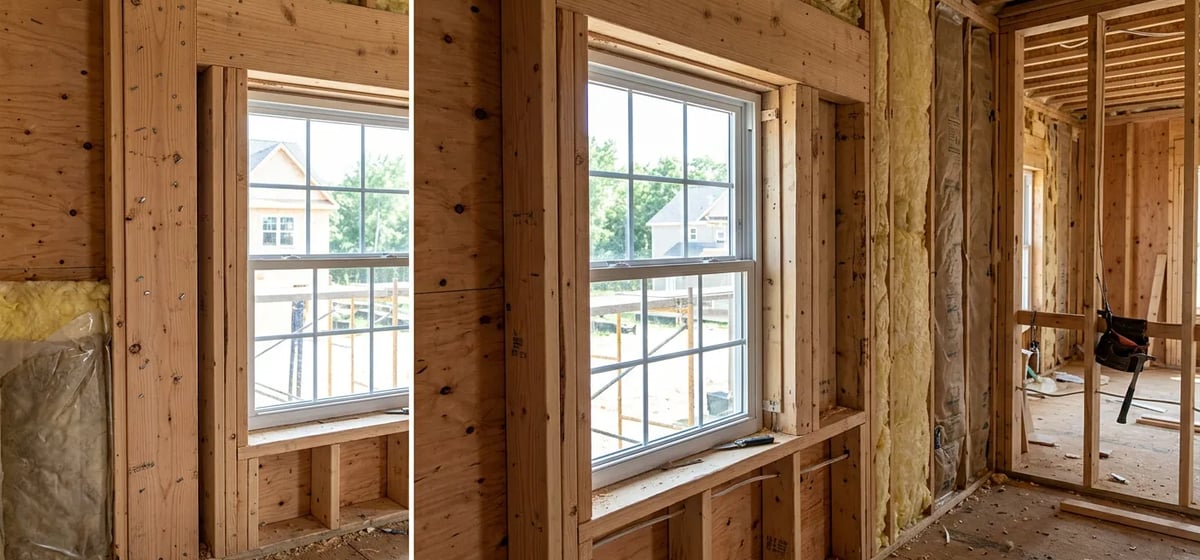
When builders frame a house, they use vertical wood boards called studs. Most studs just space out the wall. But when there's a hole in the wall for a door or a window, the framing needs extra strength. That's where a king stud comes in. A king stud is a full height framing board. It runs straight from the floor all the way up to the ceiling. Builders place one on the left side and one on the right side of every window or door opening.
The word king has long been used in carpentry to describe the largest or most important piece in a frame. Builders use this term to separate this tall board from the shorter studs next to it. The king stud is the main anchor. It nails directly to a shorter board called a jack stud. Together, they hold up a thick horizontal beam over the opening called a header.
Why It Matters to You
Your home relies on king studs to stay standing straight. When you cut a big hole in a wall for a doorway, the wall loses its strength. The heavy roof or the second floor still pushes down on that space. The king stud catches that heavy load and pushes it safely down to your floor. This keeps your home safe and solid. You can learn more about how your home supports weight in our guide to Foundation & Structure.
King studs also give you a very secure place to anchor heavy things. Because they're doubled up with jack studs, the wood is thick. If you want to hang a heavy mirror right next to a closet, you'll likely drill your screws into a king stud. They're easy to find with a basic stud finder.
Where You Run Into It
You'll mostly hear about king studs during a remodel. If you want to widen a tight doorway or install a larger window, your contractor has to tear out the old king studs. Then they have to build a wider frame with new ones. This type of framing work isn't a simple weekend project. Changing the framing around Windows & Doors usually requires a permit.
Moving these studs and adding a new header usually costs 400 to 900 dollars in labor and materials. Keep in mind that prices always vary based on where you live and if the wall holds up the roof. You'll also run into king studs if you're trying to run new wires. Electricians have to drill through these thick boards to run cables around a door, which takes extra time.
What to Watch For
Because king studs sit right next to windows and exterior doors, they're in a risky spot. If rain leaks behind your siding, it'll run right down the side of the window. This water soaks into the king stud. Over time, the wood can rot. Termites also love damp wood near the ground.
Here are a few signs that a king stud might be damaged:
- Your front door suddenly sticks or rubs against the frame.
- You see deep cracks in the drywall starting at the top corners of a window.
- The floor near an exterior door feels soft or sags.
- A window becomes very hard to slide open or closed.
If you see these signs, you might need a pro to open the wall and check the wood. Replacing a rotted king stud is a major repair. It requires holding up the ceiling while the new wood goes in. You might need to check your Home Insurance policy if the damage came from a sudden storm leak.