What Is a Lid Switch?
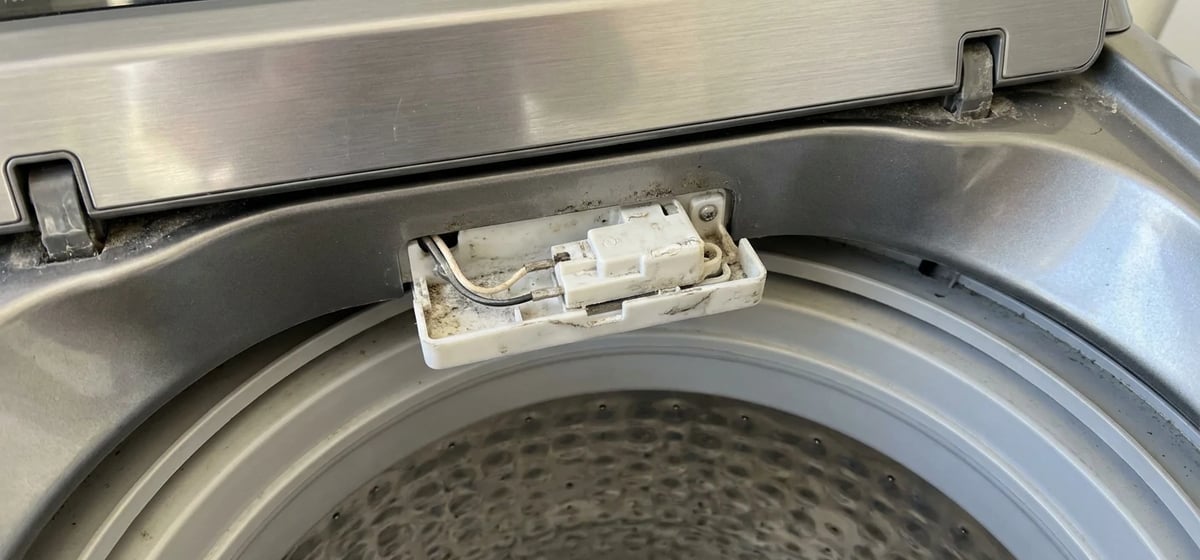
A lid switch is a small safety mechanism that sits right near the door of your top load washing machine. It tells the appliance exactly when the door is shut. This part makes sure the wash cycle only starts when it is safe to do so. The word switch comes from a late sixteenth century term for a thin flexible shoot or whip. Appliance makers adopted the term in the late 1800s to describe mechanical levers that whip electrical currents on and off.
How It Works
When you close the washer lid, a small plastic pin pushes down on the lid switch. This action completes an electrical circuit. Once the circuit is closed, your washer knows it can fill with water, agitate, and spin. If you lift the lid while the machine is running, the switch pops up. This breaks the circuit and stops the moving parts right away. You will find this part on almost all modern top load Appliances. Front load washers use a slightly different part called a door latch assembly.
Signs Your Lid Switch Is Broken
Lid switches do a lot of hard work over the years. They get slammed, bumped, and soaked with water. Eventually, the plastic levers crack or the electrical contacts wear out. When this happens, your washer will act strangely.
Here are the most common signs of a broken lid switch:
- The washer fills with water but refuses to spin or agitate.
- The machine won't drain the soapy water at the end of a cycle.
- You hear a clicking sound, but the drum doesn't move.
- The washer is completely dead and won't start at all.
Repair Costs and Replacing It Yourself
A broken lid switch is one of the most common reasons a washing machine stops working. Thankfully, it's also one of the cheapest parts to fix. If you hire an appliance repair company, expect to pay between 150 to 250 dollars for parts and labor. Keep in mind that prices vary based on your location and the washer brand.
If you are handy, you can often handle this job yourself. The switch itself usually costs between 20 to 50 dollars online or at a local parts store. You typically just need a screwdriver and a putty knife to pop the top panel open. Before you start taking things apart, read our guide on DIY vs. Hiring a Pro to see if you feel comfortable working with appliance wiring.
How to Test the Switch
Before you buy a new part, you should test the old one to make sure it's actually broken. First, look at the physical plastic pieces. Sometimes the small plastic tab on the lid itself snaps off. If that tab is missing, it can't press the switch down. You can buy a replacement tab for just a few dollars.
If the plastic looks fine, you can test the electrical part. You will need a simple tool called a multimeter. Unplug the washer and locate the switch under the main top panel. Disconnect the wires attached to the switch. Touch the multimeter probes to the switch terminals. When you press the switch down, the multimeter should show a continuous electrical path. If it doesn't, the switch is completely dead and needs to go in the trash.
Learning to spot these small appliance issues can save you a lot of money over time. You can read more about typical repair bills in our guide on What Home Repairs Cost. Keeping your washer running smoothly means your clothes get clean and you avoid a trip to the laundromat.