What is a property lien?
A lien is a legal claim placed on your property. It happens when you owe money to someone. The word comes from the Latin word ligamen. That means a bond or tie. Over time, it moved through Old French and into English law. Today, it means a legal hold on a piece of property. When someone puts a lien on your house, they tie your debt to your physical property. The debt does not just follow you around. It sticks to the house itself. If you try to sell the house, the buyer will see the lien. The buyer will demand that you pay the debt before they take the keys.
Why liens matter to you
Liens matter because they freeze your ability to make moves with your house. You cannot refinance your mortgage if a lien sits on your property. You also cannot easily sell the house. If you read our guide on Selling Your Home, you know that buyers want a clean title. A clean title means no one else has a claim to the house. If a title company finds a lien, the sale stops. You must pay the debt to clear it. Sometimes, the person holding the lien can even force a foreclosure. They can make you sell the house to pay them back. This is rare for small debts, but it is a real risk for large unpaid bills.
Where you run into them
You might run into a few different types of liens while you own your home.
- Mortgage liens: When you buy a house, your lender puts a lien on it. This is normal. You agreed to this when you signed the loan. Once you pay off the mortgage, the lender removes the lien.
- Tax liens: If you do not pay your local property taxes, the government will place a tax lien on your home. The IRS can also place a lien on your house for unpaid income taxes. You can learn more about local taxes in our guide to Property Taxes & Home Finances.
- Mechanic liens: This is a very common issue for homeowners. If you hire a roofer or plumber and do not pay them, they can file a mechanic lien. Even worse, if you pay your general contractor but they fail to pay their subcontractors, those subcontractors can put a lien on your house.
- HOA liens: If you live in a neighborhood with a Homeowners Association and stop paying your dues, the HOA can file a lien against your property.
What to watch for and how to protect yourself
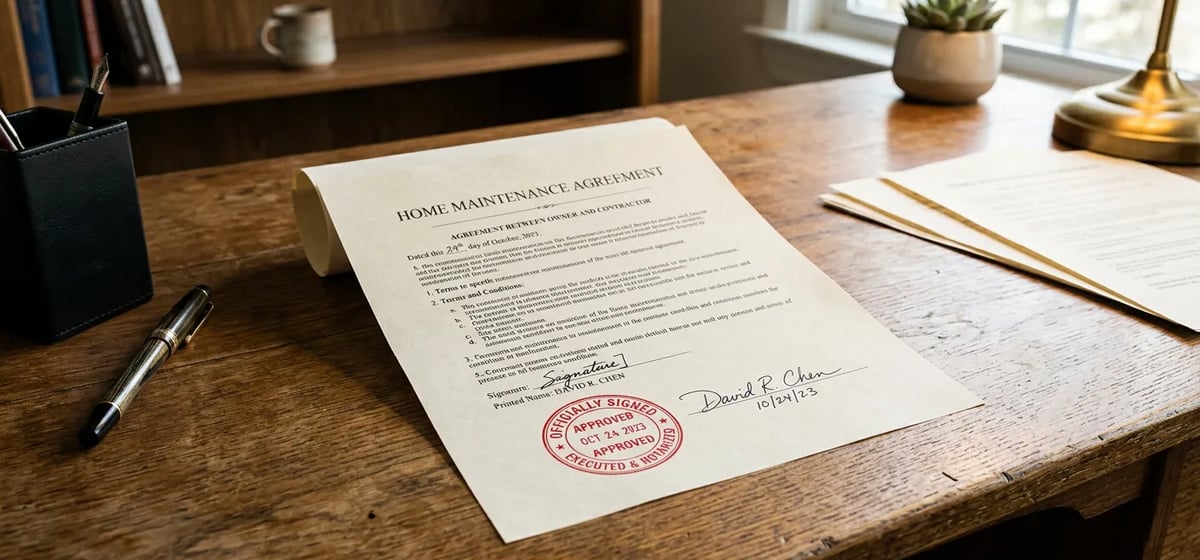
You want to avoid surprise liens at all costs. The best way to protect yourself during a remodel is to use a lien waiver. A lien waiver is a simple legal document. It says the contractor received their money and gives up the right to put a lien on your house. Ask for a signed lien waiver every time you make a payment. You should also check out our advice on Hiring Contractors & What Things Cost for more tips on managing payments safely.
If you find a surprise lien on your house, you have to clear it. You can pay the debt in full. If you think the lien is a mistake, you can hire a real estate lawyer to fight it. Lawyer fees for fighting a lien usually range from 200 to 400 dollars per hour. Total costs can easily reach 1,500 to 5,000 dollars or more depending on the case. Keep in mind that costs always vary by location. Once the debt is settled, you must get a release document filed with your county to officially clear your title.