What Is A Load Bearing Wall?
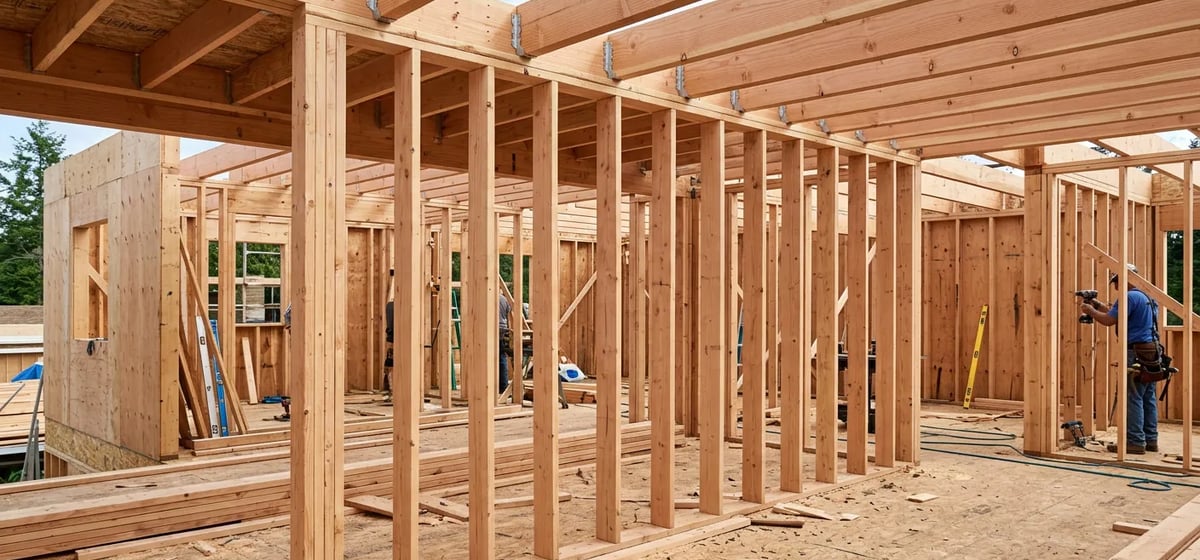
A load bearing wall is the muscle of your house. It holds up the heavy weight of the roof, the floors, and everything inside your home. The word load comes from the Old English word lad, which means carrying. Builders use this term to separate structural walls from simple partition walls. Partition walls just divide rooms and carry no weight at all. A load bearing wall takes all that heavy weight from the top of the house and transfers it straight down into the dirt. You can learn more about how your house stands up in our guide to Foundation & Structure. Without these walls, your house would simply fold in on itself.
Why It Matters For Remodeling
You'll care about these walls the second you want to open up a room. Many homeowners want an open floor plan today. They often dream of tearing down a wall between the kitchen and the living room to make a big space. If that wall is load bearing, you can't just knock it down with a sledgehammer. If you do, your ceiling will sag. Doors upstairs will stop closing right. In the worst cases, the roof or the floor above you could actually collapse. To remove one safely, you have to replace the wall with a heavy support beam. This beam takes over the job of holding up the house. Sometimes the beam is hidden up in the ceiling. Other times it drops down below the ceiling line.
How To Spot A Structural Wall
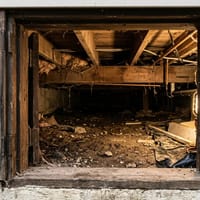
It's not always easy to tell which walls carry weight. But there are a few solid clues you can look for. First, exterior walls are almost always load bearing. They hold up the edges of your roof. Inside the house, walls that run down the exact center of your home are often load bearing. If you have an unfinished basement, go down and look up at the wooden floor joists. If a wall upstairs runs sideways across those joists, it's probably carrying weight. Walls that sit directly above a main steel or wood beam in the basement are also structural. Still, you should never guess.
What It Costs To Remove One
Taking out a load bearing wall is a major construction project. You need city permits, a structural plan, and a very heavy wood or steel beam. Sometimes you also need to move pipes or wires hidden inside the wall cavity. Because of all these steps, costs can add up fast. Keep in mind that prices range widely based on your city, the size of the wall, and the materials used. You can check our guide on Hiring Contractors & What Things Cost for more tips on getting good quotes.
| Project Step | Estimated Cost |
|---|---|
| Structural engineer drawings | $500 to $1,000 |
| Removing a single-story wall | $2,500 to $4,000 |
| Removing a multi-story wall | $5,000 to $10,000 |
| Moving plumbing or electrical | $500 to $2,000 |
Putting The Room Back Together
Once the wall is gone and the beam is up, the job is still not over. You'll have a big gap in your floor where the wall used to sit. You'll also have a messy gap in your ceiling. You need to patch the drywall, match the ceiling texture, and paint the room. You can read more about finishing these empty spaces in our guide to Interior: Paint, Drywall & Trim. You will also need to patch the floor. If you have carpet, you might need to replace the whole room. If you have old hardwood floors, weaving in new wood to match the old boards can be very tricky and expensive. Plan for these extra costs before you start tearing into your house.