What Is Modified Bitumen?
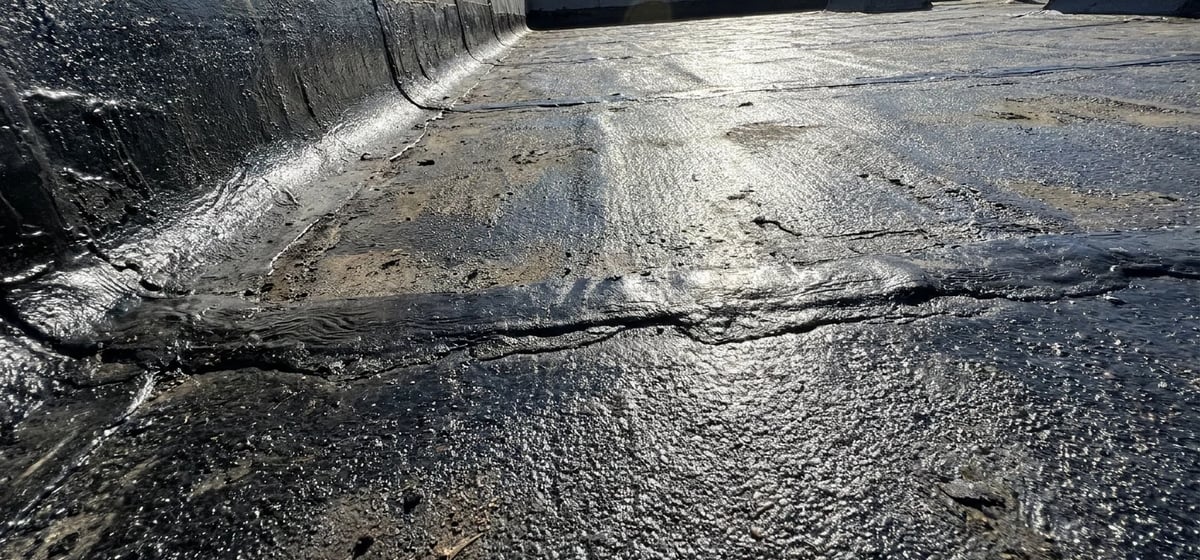
Modified bitumen is a tough roofing material made for flat or slightly sloped roofs. The word bitumen comes from Latin, meaning asphalt or mineral pitch. In the 1960s, roofing makers started blending this asphalt with rubber or plastic polymers. This change makes the material stretch and bend without cracking when the weather gets extremely hot or cold. You'll usually see it come in large rolls. Installers roll it out across the roof and seal the seams together to create a watertight barrier.
You won't see modified bitumen on a steeply pitched roof. Instead, you'll find it on flat or low-slope sections of a home. Many older homes have flat roofs over porches, sunrooms, or garage additions. Some modern home designs feature entirely flat roofs. Standard shingles let water seep underneath on flat surfaces, so you need a continuous membrane to keep the water out. Modified bitumen provides that solid sheet of protection.
Why It Is a Popular Choice
Homeowners and builders choose this material because it offers a great mix of durability and value. Standard asphalt breaks down fast under standing water, but the rubber and plastic additives in modified bitumen make it much stronger. Here are a few reasons why it's a common choice for flat roofs:
- It holds up well to heavy foot traffic if you need to walk on your roof to clean gutters or service an air conditioner.
- It expands and contracts with changing temperatures, which prevents rips and tears during winter freezes.
- It's highly waterproof when the seams are melted and sealed properly.
- It resists damage from hail and falling branches better than older flat roofing materials.
Installation and Costs
Roofers use a few different methods to install this material. The most common way is torch down roofing. The roofer uses a propane torch to melt the back of the roll as they lay it down. The melted asphalt acts as its own glue and fuses the seams together. Other versions have a peel and stick backing, while some types are put down with cold liquid adhesives. No matter how they put it down, the goal is always a single, seamless layer that stops water from getting inside your house.
When you need to replace a flat roof, modified bitumen is a middle of the road choice for your budget. Material and labor costs generally run between 4 to 8 dollars per square foot. A typical flat garage roof might cost 1,500 to 3,500 dollars to replace. Keep in mind that prices and ranges vary depending on where you live and how hard it is to access your roof. If roofers find rotten wood underneath the old material, your final bill will go up.
What to Watch For
A modified bitumen roof typically lasts 10 to 20 years before you need to replace it. To get the most life out of it, you need to check it at least once a year. Look closely at the seams where the rolls meet. If the seams start to lift or separate, water will find its way in. You should also watch out for blisters or bubbles under the surface. These bubbles mean moisture is trapped underneath. Finally, make sure water isn't pooling in the middle of the roof after a rainstorm. Standing water breaks down the asphalt much faster. Keep the roof clear of leaves and branches so water can drain off the edges. If you notice any of these issues, you might need a pro to patch the area. You can learn more about general roof upkeep in our Roofing guide.