What Is a Monocrystalline Panel?
A monocrystalline panel is a specific type of solar equipment used to power your home. Manufacturers make these panels out of a single, highly pure silicon crystal. Scientists grow a large, single block of silicon called an ingot. They then slice this block into very thin wafers to build the panel. This manufacturing process gives the equipment its name.
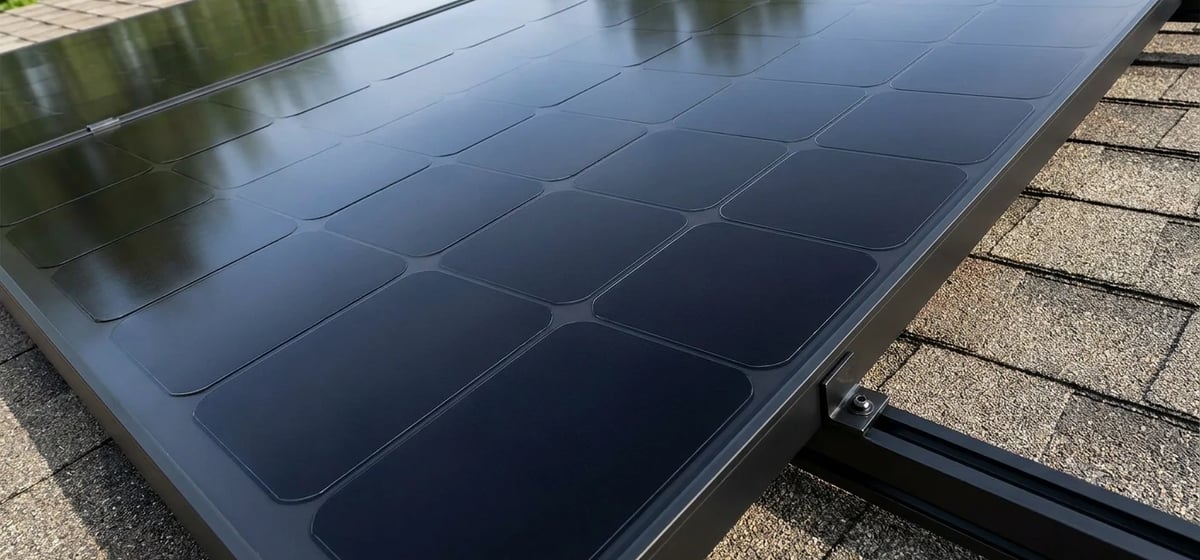
You will easily recognize these panels by their sleek, solid black color. If you look closely at the individual squares on the panel, you will notice they have rounded edges instead of sharp corners. Cutting the round silicon wafers leaves these rounded edges, which creates a signature diamond pattern between the cells.
This single crystal design allows electrons to flow very freely. Because of this smooth flow, monocrystalline panels produce more electricity than other types of panels. You might hear solar installers compare them to polycrystalline panels. Polycrystalline panels are blue and have a speckled look because they blend many different silicon fragments together. The solid black monocrystalline panels look much cleaner on your roof and generate more power.
Why They Matter to You
If you want to power your house with the sun, roof space is usually your biggest limit. Monocrystalline panels matter because they are the most efficient option on the market. They squeeze the maximum amount of electricity out of a small area. If your roof is small or has weird angles, you need highly efficient panels to meet your daily energy needs. If you are reading up on Solar Panels, you will see this type recommended most often for residential homes.
Many homeowners care deeply about how their house looks from the street. Because monocrystalline panels are solid black, they blend in beautifully with dark roof shingles. This gives your roof a modern, low profile look. Polycrystalline panels stand out much more because of their bright blue tint and thick silver frames.
They also perform better in high heat and low light compared to other panels. This means they keep producing solid power on cloudy days or during sweltering summer afternoons. Because they are the premium choice, they do cost more upfront. A typical complete home solar system using monocrystalline panels costs anywhere from $15,000 to $25,000 before tax credits. Keep in mind that prices vary greatly based on your location and the size of your house.
What to Watch For Before Installing
Before you sign a contract for premium black panels, you need to check a few details about your house.
- Roof condition: These panels last 25 to 30 years. You do not want to put brand new panels on an old roof. If your shingles are failing, check out our guide on Roofing to learn about replacing your roof first.
- Shade issues: Even the best panels struggle in heavy shade. If giant oak trees block your roof all day, expensive monocrystalline panels will not fix the problem.
- HOA rules: Most states legally protect your right to install solar. However, your homeowners association might have rules about how the panels look or where wires run.
How They Impact Your Finances
Buying a monocrystalline solar system is a major financial decision. The high upfront price tag can be scary. Keep in mind that the panels themselves are just one part of the total cost. You also have to pay for the metal mounting racks, the wiring, the power inverter, and the labor to install it all. Getting three quotes from local installers helps you find a fair price for the whole package.
However, the long lifespan and high power output often mean you save more money in the long run. By wiping out your monthly electric bill, the panels eventually pay for themselves. This usually takes 6 to 10 years.
You can also lower the initial cost with federal and local tax credits. These credits can knock thousands of dollars off your final bill. If you need help managing large home upgrades, review our section on Property Taxes & Home Finances. A premium black solar array can also boost your home value when it comes time to sell, as buyers love the idea of zero energy bills.