What Is a Flat Roof?
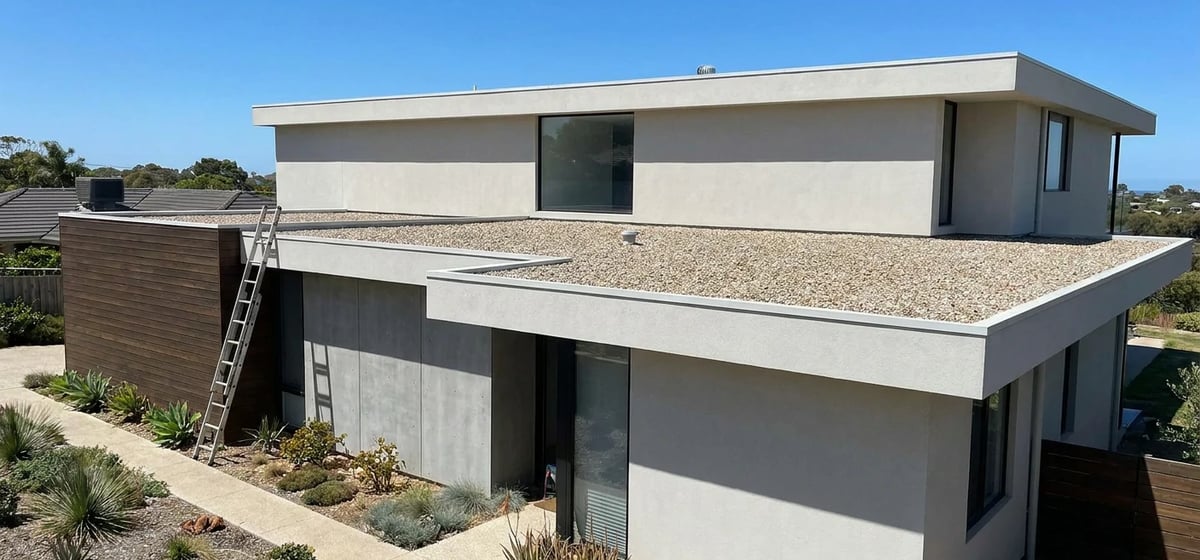
A flat roof looks exactly like it sounds. It is a roof that is almost completely level instead of slanted. However, it is not actually perfectly flat. A true flat roof would hold water like a swimming pool. Instead, builders give it a very tiny slope. This slope is usually about one quarter of an inch for every foot of roof. That slight tilt lets rainwater run off the edge or into special drains. Builders have used flat roofs for thousands of years in dry climates where heavy snow is not a problem. Today, you will often see this shape on modern homes, apartment buildings, and large porches.
Why Flat Roofs Matter to You
If you have a flat roof, you have some unique benefits and challenges. On the plus side, flat roofs give you extra usable space. Many homeowners use them for rooftop decks or gardens. They are also a great place to put heavy equipment. You will often see large air conditioning units sitting right on top. If you need to service your HVAC & Climate Control equipment, a flat roof makes access very easy.
Flat roofs can also be cheaper to build originally because they require less lumber. You do not need large wooden frames to hold them up. On the downside, flat roofs need more attention than slanted roofs. Gravity does not pull water and snow off a flat roof as quickly. This means the waterproof seal must be absolutely perfect. If a slanted roof loses a shingle, water might still run right past it. If a flat roof gets a tiny tear, water will sit there and eventually leak into your ceiling. A standard shingle roof might last 25 to 30 years, but most flat roofs need replacing every 15 to 20 years.
Common Flat Roof Materials and Costs
You cannot use standard asphalt shingles on a flat roof. Shingles need a steep slope to shed water. Instead, contractors use special sheets or liquid coatings to create a solid, waterproof tub. Here are the most common materials you will see.
- EPDM: This is a thick, black rubber membrane. It is durable and relatively cheap.
- TPO: This is a white plastic membrane. It reflects the sun and helps keep your house cool.
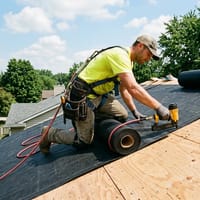
- Modified Bitumen: This is a thick, rolled asphalt sheet that contractors melt together with a torch.
- Built Up Roof: This is the classic tar and gravel roof. It uses many layers of fiberglass and hot tar.
Replacing a flat roof is a big job. A typical residential flat roof replacement costs 4,000 to 10,000 dollars. Prices depend on your location, the material you choose, and the size of the roof. Keep in mind that ranges vary widely. You can learn more about standard project pricing in our guide to Hiring Contractors & What Things Cost.
What to Watch For
Routine maintenance is the key to a healthy flat roof. You should inspect it at least twice a year. Look for standing water. If a puddle stays on your roof for more than 48 hours after a rainstorm, you have a drainage problem. This pooling water breaks down the roofing material over time.
You also need to keep the roof clean. Leaves, dirt, and branches will clog your roof drains and scuppers. A scupper is just a hole in the side wall that lets water pour off the edge. If these drains clog, water backs up and creates a heavy pond on your roof. That extra weight can cause serious structural damage.
Finally, check the edges where the roof meets the walls. These transition areas use metal flashing to keep water out. The flashing can pull away during high winds or extreme temperature changes. When you sweep the roof, look closely at these seams. If you notice leaks, deep cracks, or missing sealant, you should call a professional who specializes in Roofing right away.