What Is Paint Sheen?
Paint sheen is simply how shiny a dried coat of paint looks. When you walk down the paint aisle at the hardware store, you will see cans labeled with words like flat, eggshell, satin, and gloss. These words describe the sheen. The shine comes from the chemical makeup of the paint itself. Paint is mostly made of colored pigments and sticky resins. Pigments give you the color, while resins bind it all together and protect the surface. A higher ratio of resins creates a harder, shinier surface. A higher ratio of pigments creates a dull, chalky surface. Understanding these levels helps you pick the exact right paint for the right room in your house.
Why Sheen Matters
You might think color is the only thing that matters when painting a room. However, the sheen completely changes how that color looks and acts on your walls. Sheen affects two main things in your home. It changes how much light bounces around the room, and it changes how easily you can clean the walls.
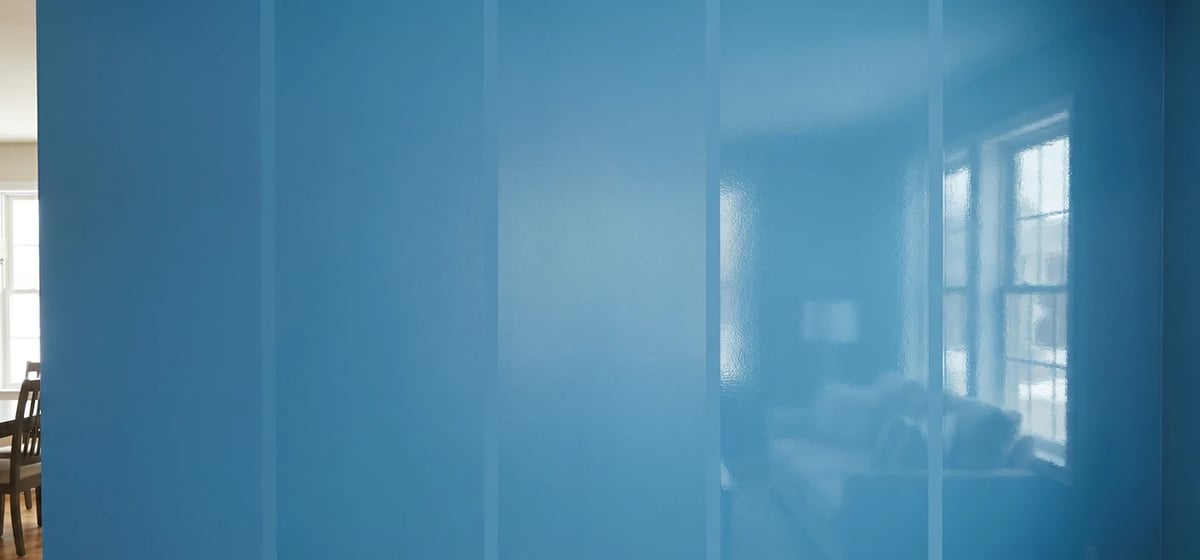
Shiny paints reflect light well. This makes a room feel brighter and more vibrant. However, that bouncing light will highlight every single bump, nail pop, and bad drywall patch on your wall. Dull paints absorb light instead of reflecting it. They hide those ugly wall defects perfectly. But dull paints are porous. They hold onto dirt, fingerprints, and grease. If you scrub a dull paint too hard with a sponge, the color might rub right off the wall.
The Common Sheen Levels
Paint companies use a few standard names for their sheen levels. Here is what you will usually find on the shelf at your local home improvement store.
- Flat or Matte: This has almost no shine at all. It is the absolute best choice for ceilings because it hides flaws. It is also good for low traffic areas like adult bedrooms where the walls rarely get touched.
- Eggshell: This has a very soft glow, much like a real chicken egg. It is the most popular choice for living rooms, dining rooms, and hallways. It offers a great balance of hiding flaws and being easy to wipe down with a damp cloth.
- Satin: This looks slightly glossier than eggshell. It resists moisture very well. You should use satin in kitchens, bathrooms, and laundry rooms where you need to scrub the walls occasionally or where humidity is high.
- Semi-Gloss and High Gloss: These are the shiniest options available. They dry to a very hard, durable finish. You will typically use these on baseboards, window trim, doors, and cabinets. They stand up to heavy wear and tear from shoes and hands.
Costs and What to Watch For
Changing your paint sheen can slightly change your budget. A gallon of standard interior paint usually costs 30 to 60 dollars. Prices vary depending on your location and the specific brand you choose. Within the exact same brand, a higher sheen will usually cost 2 to 5 dollars more per gallon than a flat finish.
If you plan to hire a professional, the sheen you pick might also affect the labor cost. High gloss paints require a perfectly smooth surface. A painter might need to spend extra hours sanding and fixing your drywall before they can apply a glossy finish. You can read more about Interior: Paint, Drywall & Trim to understand how wall prep works. If you are deciding whether to paint yourself or hire it out, check out our guide on DIY vs. Hiring a Pro to weigh your options before you buy supplies.