What Is A Parapet Wall
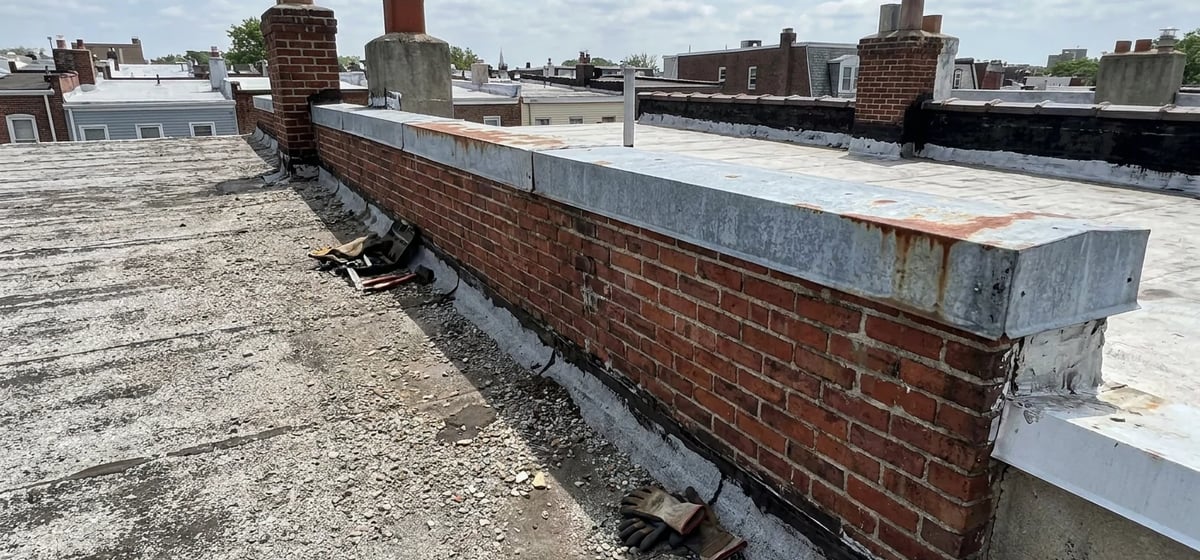
A parapet wall is a short, protective wall that extends upward past the edge of your roof. You will almost always find these on homes with flat or very slightly sloped roofs. The word actually comes from the Italian word parapetto. This translates to a wall to protect the chest. Builders originally designed these low walls for ancient castles to protect soldiers. Today, builders adapt them for modern homes to solve common roofing problems.
Instead of your roof ending at a gutter, the roof meets this short wall. The wall creates a tub effect on top of your house. It wraps around the entire perimeter or just covers the front face of the building to make the house look taller.
Why It Matters To You
If you own a flat roofed home, a parapet wall does a lot of heavy lifting for your property. First, it hides bulky equipment. Many flat roofs hold large air conditioning units or ventilation pipes. You can read more about these systems in our HVAC & Climate Control guide. The wall blocks these ugly units from the street view and boosts your curb appeal.
Second, it acts as a windbreaker. High winds can easily peel up the edges of flat roofing materials. The parapet wall forces the wind to blow up and over the roof. This simple barrier prevents serious wind damage and keeps your roof securely attached to your house.
Finally, it controls rainwater. Without this wall, water would just spill over the edges of your roof and stain your siding. The wall catches the rain and directs it toward specific drainage holes called scuppers. This protects your Exterior: Siding, Garage & Decks from constant water damage.
What To Watch For
Parapet walls take a massive beating from the weather. Because they stick up above the roofline, both the front and back sides of the wall face extreme sun, rain, and wind. You need to keep a close eye on a few common trouble spots.
- Coping caps: This is the metal, stone, or clay cover sitting on the very top of the wall. It acts like a hat to keep rain out of the wall interior. If a storm blows the cap loose, water will pour right into the wall cavity.
- Flashing: This is the crucial metal strip that seals the sharp corner where your flat roof meets the bottom of the wall. It often cracks or peels away as the house settles. You can learn more about how flashing prevents leaks in our Roofing section.
- Clogged scuppers: Scuppers are the drainage holes cut right through the parapet wall. If leaves or trash block these holes, rainwater cannot escape. Your roof will literally turn into a heavy swimming pool and might collapse.
- Cracked masonry: If your parapet is made of brick or covered in stucco, water can soak into the surface. When that water freezes in the winter, it expands. This breaks the mortar and causes chunks of the wall to fall off.
Warning: Never ignore a clogged scupper hole on a parapet wall. Standing water on a flat roof adds thousands of pounds of stress to your home framing. You should clear leaves from your roof drains at least twice a year.
Typical Repair Costs
Fixing a damaged parapet wall is an important investment. If you ignore it, water will leak down inside your main house walls. The price to fix a parapet depends heavily on the materials and how deep the water damage goes. Keep in mind that these ranges vary widely based on your location and the contractor you hire.
- Minor flashing repairs usually cost 200 to 500 dollars.
- Replacing a blown off metal coping cap runs 15 to 30 dollars per linear foot.
- Patching and sealing cracked stucco on the wall interior might cost 400 to 900 dollars.
- Rebuilding a crumbling brick parapet wall can easily cost 1,500 to 5,000 dollars.
- If long term leaks rot the wood framing inside the wall, a major rebuild will run 3,000 to 8,000 dollars.
If you see water stains on your ceiling right near the outside walls, your parapet is likely the culprit. Call a licensed roofer to inspect the flashing and coping caps right away.