What is a pilaster?
A pilaster is a rectangular support column that is built directly into a wall. It only sticks out slightly from the flat surface of the wall. Builders use these shallow columns to hold heavy weights so the wall doesn't bow or collapse over time. The word comes from the Latin word pila which means pillar. Ancient Roman architects used them to make flat stone walls look fancy while adding structural support. Today, you'll see them used for both decoration and heavy lifting.
It's easy to confuse a pilaster with a regular column. A regular column stands all by itself in the middle of a room or on a porch. A pilaster is always attached to a wall. Think of it as a thick rib for your wall. A long, flat masonry wall gets weak in the middle. Adding a pilaster breaks up that long span. It gives the wall the extra muscle it needs to stand up straight against wind, soil pressure, or the weight of a heavy roof.
Why it matters to your home
The dirt around your house is incredibly heavy. When it rains, that soil swells with water and pushes hard against your basement walls. Over time, this pressure can cause a flat cinder block or poured concrete wall to bow inward. If a wall bows too much, it can crack, leak, or fail completely.
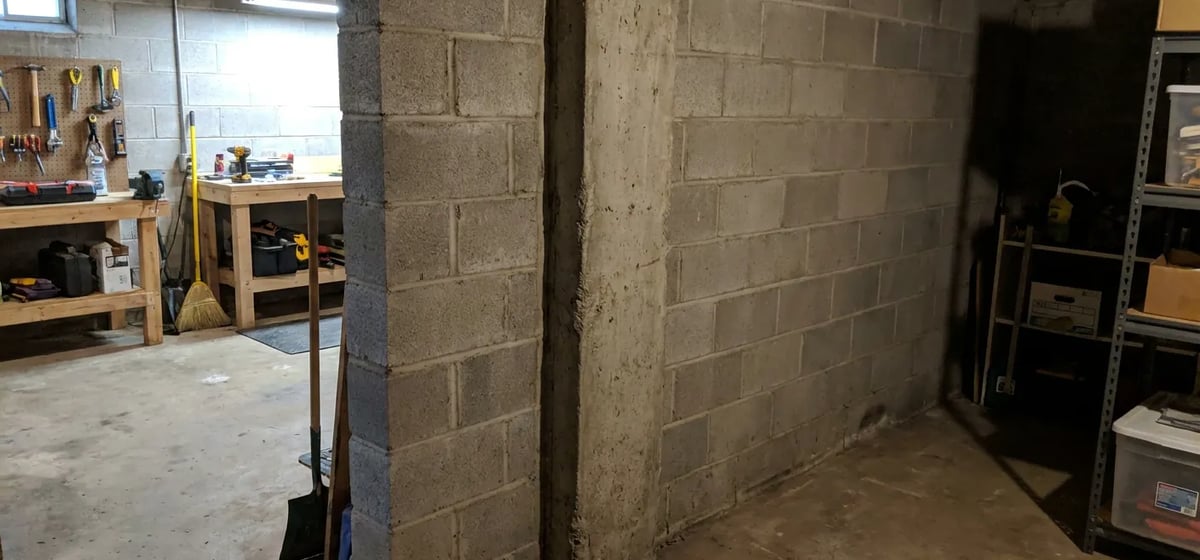
This is where a structural pilaster comes in to save the day. If an inspector spots a bowing wall in your basement, a foundation repair company might suggest installing pilasters to stop the movement. They'll build strong vertical columns against the inside of the damaged wall to brace it. You can learn more about how to spot these serious issues early in our guide to Foundation & Structure.
Where you run into them
You'll spot pilasters in several places around a typical property. They're very common in both indoor and outdoor construction projects.
- Basement walls: Steel, carbon fiber, or concrete block pilasters brace long underground walls against heavy soil pressure.
- Retaining walls: Tall garden walls use them to hold back tons of dirt without tipping over into your yard.
- Brick fences: Long brick or stone property fences have them spaced out every 10 to 15 feet. This keeps the tall fence from blowing over in high winds. You can read more about outdoor hardscaping in our Landscaping, Drainage & Outdoor guide.
- Exterior doors: Decorative wooden or foam pilasters frame front doors to make the entryway look grand and welcoming.
Common materials used
Contractors build pilasters out of many different materials depending on the job. If the goal is purely decorative, they might use carved wood, lightweight foam, or vinyl. These materials are cheap and easy to paint, but they offer zero structural support. You'll mostly find these around front doors or framing a garage door.
When the job requires real strength, builders turn to heavy duty materials. Traditional masonry pilasters are built using concrete blocks stacked on top of each other. The hollow blocks are then filled with steel rebar and wet concrete for maximum strength. For modern basement repairs, contractors often use thick steel beams bolted to the floor and ceiling. They also use flat strips of carbon fiber glued directly to the wall to act as a low profile pilaster.
Costs and what to watch for
If you have an older home with a long basement wall, keep a close eye out for horizontal cracks. A horizontal crack is a massive warning sign that the wall is bowing inward. If you see this, you should call a structural engineer right away.
Adding structural pilasters to a basement wall is a common but expensive repair. The cost to install a single structural pilaster is usually 500 to 1,500 dollars. A typical basement repair might need 3 to 6 pilasters spaced evenly along the damaged wall. Keep in mind that exact prices and ranges vary based on where you live and the materials your contractor uses.