What a Pilot Light Is
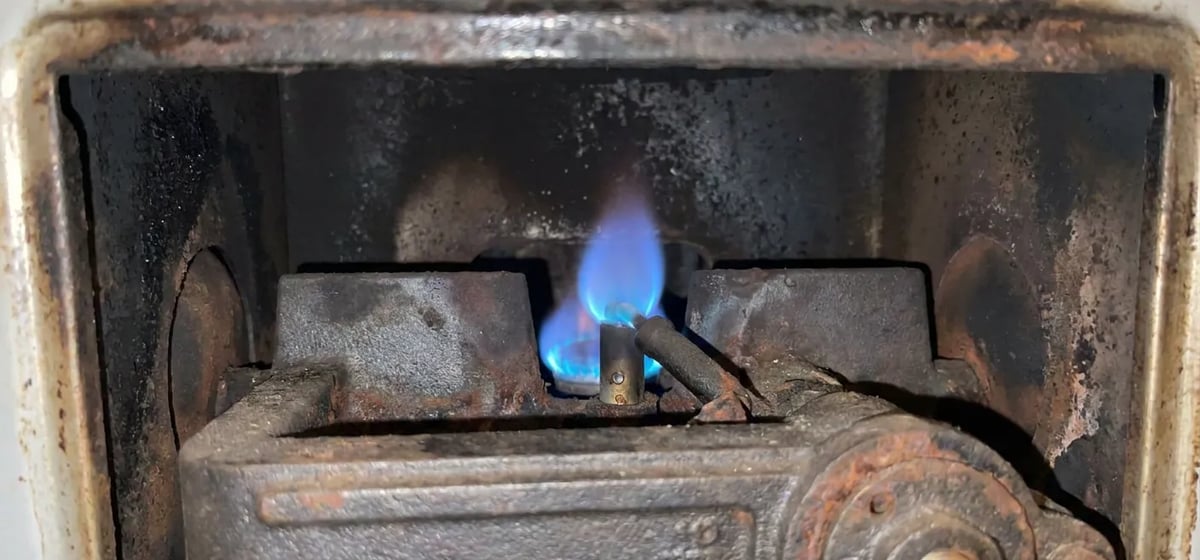
A pilot light is a small gas flame that burns constantly inside older gas appliances. It waits patiently for you to turn up the heat. When your thermostat calls for warmth, a valve opens to release gas to the main burner. The pilot light is right there to catch that gas and ignite a large, hot fire. The word pilot comes from the Greek word pedon, which means steering oar. Engineers started using the term in the 1920s because this tiny flame guides or leads the main fire into action.
Modern appliances usually skip the pilot light completely. They use electronic igniters instead. An electronic igniter creates a quick spark only when the appliance needs to run. This saves you money because you do not burn gas all day and night. However, millions of homes still rely on appliances that use a traditional standing pilot light.
Why It Matters to Your Home
Understanding your pilot light is important for safety and energy use. A standing pilot light burns a small amount of gas 24 hours a day. This constant burning can add up on your monthly utility bill. It can cost you anywhere from 50 to 150 dollars a year just to keep that tiny flame burning. Prices vary depending on local gas rates.
Despite the extra cost, these older systems are very simple and highly reliable. They do not need electricity to work. If your power goes out in a bad winter storm, an older gas water heater with a standing pilot light will still give you hot water. You can read more about your heating systems in our HVAC & Climate Control guide.
Where You Run Into It
You will mostly find pilot lights in homes built before the year 2000. If you buy a brand new appliance today, you will almost certainly get an electronic spark igniter. You will usually run into a standing pilot light in a few specific places around your house.
- Gas water heaters located in your garage or basement.
- Older gas furnaces and boilers that heat your home.
- Gas fireplaces and decorative log sets in your living room.
- Some older gas ovens and kitchen ranges.
You might also hear about pilot lights when you schedule a home inspection. An inspector will check to make sure the flame is burning the right color. A healthy pilot light burns a crisp blue color. A blue flame means the gas is burning cleanly and safely. If you see a yellow or orange flame, it means the burner is dirty or the gas is not mixing with enough air. A yellow flame can create dangerous carbon monoxide gas.
What to Watch For
Sometimes a strong draft of wind will blow out your pilot light. When this happens, your appliance stops working entirely. Your shower water goes cold or your house gets chilly. Most appliances have a built in safety device called a thermocouple. If the flame goes out, the thermocouple senses the drop in heat. It immediately shuts off the main gas valve. This clever safety feature keeps raw gas from filling your house.
Many homeowners choose to turn off their fireplace pilot light during the summer months. This saves a little gas and keeps the glass doors from getting too warm. You just have to remember to relight it when autumn arrives.
If your pilot light keeps going out over and over, you probably need a new thermocouple. A local plumber or HVAC technician will usually charge between 150 and 300 dollars to replace this part. If you ever smell raw gas and you see the pilot light is out, leave your house right away. Call your gas company or emergency services from outside. You can learn more about handling gas leaks in our Home Emergencies section.