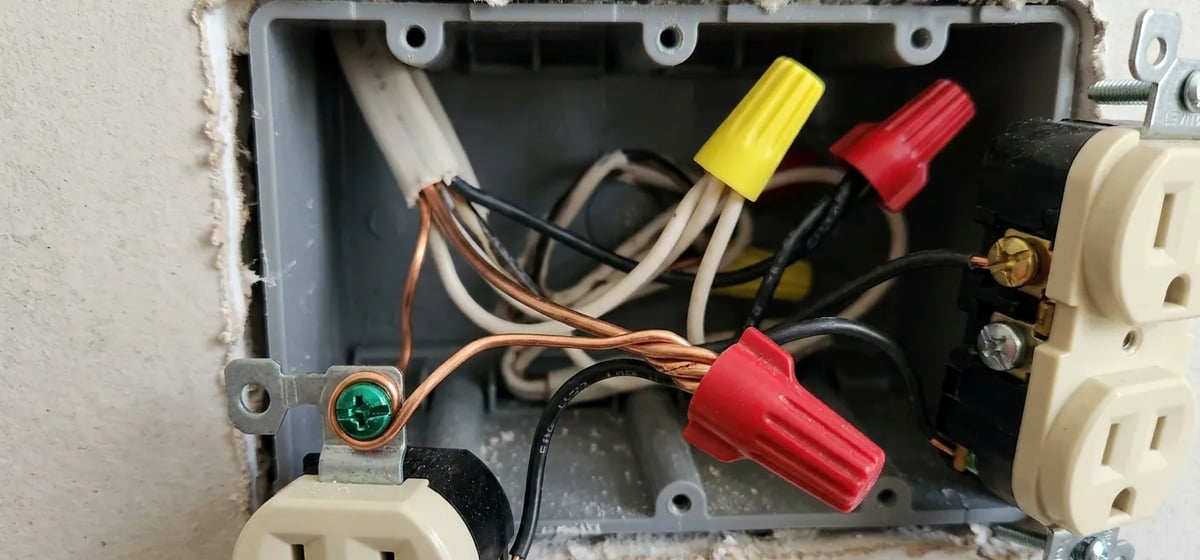
What is a pigtail?
A pigtail is a short piece of electrical wire. Electricians use it to connect two or more wires to a single screw terminal on an outlet or a light switch. The name comes from trade workers in the mid twentieth century. They thought the short, curled wires looked exactly like the tail of a pig. Today, it is standard jargon in the trade.
When you open a wall box, you usually see multiple wires coming in from the breaker panel and going out to the next room. If you try to attach all those bulky wires directly to a single outlet, things get extremely crowded. A pigtail solves this problem. You strip the ends of the incoming wires, the outgoing wires, and the short pigtail wire. Then, you twist them all together using a plastic wire nut. Finally, you attach only the free end of the short pigtail to the side of the outlet.
Why pigtails matter to you
Pigtails make your home safer and much more reliable. They keep your main electrical circuit continuous. If an outlet fails, breaks, or burns out, the power does not stop at that broken device. It keeps flowing smoothly through the wire nut to the rest of the room. If the electrician chained the wires directly through the device instead, a bad outlet would instantly kill the power to every other plug down the line.
They also make it much easier to fit everything neatly inside the wall cavity. Cramming too many stiff wires onto a single plastic device can easily loosen the screws. Loose connections cause dangerous electrical arcs and pose a serious fire risk. Pigtailing keeps the connections secure and the wiring perfectly organized inside the box.
Where you run into them
You will find pigtails almost everywhere in your Electrical system. They are incredibly common in several specific spots around the house:
- Behind standard wall outlets and dimmer switches.
- Inside crowded junction boxes in the attic or basement.
- On the back of smart home keypads and timers.
- Attached to brand new ceiling light fixtures.
Ground wires are another very common place for this technique. Electricians often twist several bare copper ground wires together with a single green pigtail wire. This single green wire then connects directly to the green ground screw on your switch or plug. It is a simple way to make sure everything stays properly grounded.
Fixing old aluminum wiring
If your home was built between 1965 and 1973, you might have aluminum wiring hidden in your walls. Aluminum expands and contracts differently than copper when it gets warm. This constant movement causes loose connections and creates a major fire hazard over time. A common and approved fix for this problem is called pigtailing.
An electrician will attach a short piece of modern copper wire to the end of the old aluminum wire. They must use special purple wire nuts or specialized crimp connectors for this job. The new copper pigtail then attaches safely to the modern outlet. This makes the home safe without the massive cost of tearing open walls to rewire the entire house.
What it costs to hire a pro
If you just need a local electrician to replace a few broken outlets and add proper pigtails, expect to pay a standard service call fee. This fee usually runs from 150 to 300 dollars for a couple hours of work. If you are dealing with whole house aluminum wiring remediation, the costs jump significantly.
Prices vary by location, but outfitting an entire home with special copper pigtails typically costs between 1500 and 3000 dollars. This is a highly complex job that requires specialized tools and strict code compliance. You should definitely read up on DIY vs. Hiring a Pro before you try tackling any advanced electrical tasks yourself.