What Is Pipe Insulation?
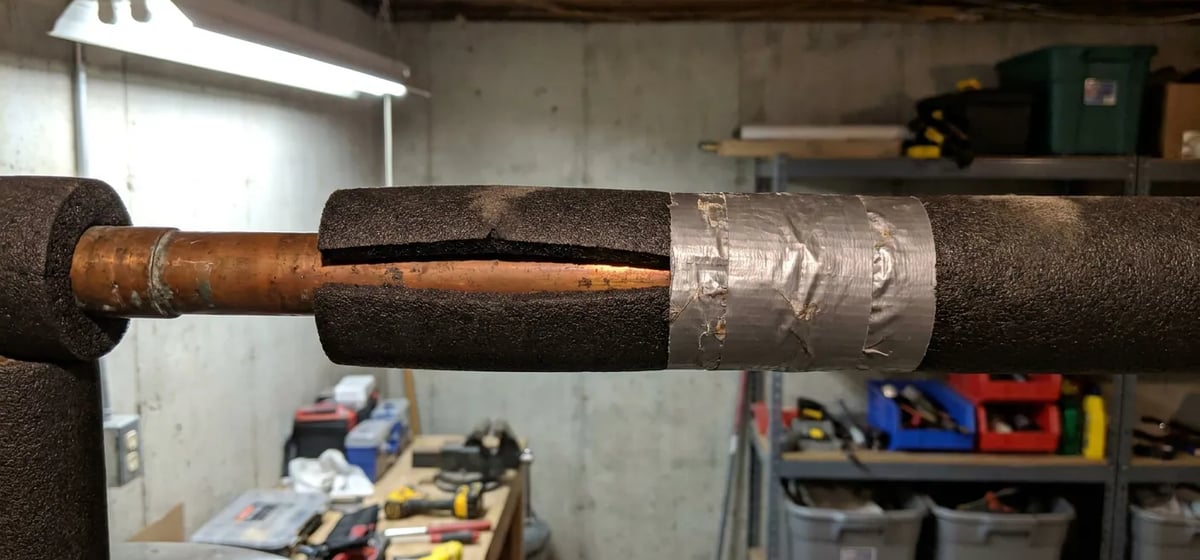
Pipe insulation is a protective cover that wraps around your water lines. The word insulation comes from the Latin word insula which means island. In the late 1800s, plumbers used cork and asbestos to wrap pipes. Today, you will mostly see foam tubes or fiberglass wraps. These modern foam tubes usually have a slit down the side. You just open the slit, slide the tube over the pipe, and tape it shut. It acts like a winter coat for your plumbing system. You can easily cut the foam with a utility knife to fit around corners or valves. This makes it a very simple project for any homeowner to tackle on a Saturday morning.
Why It Matters For Your Home
Pipe insulation does two big jobs in your house. First, it stops your cold water pipes from freezing when the temperature drops below freezing. When water freezes, it expands. This expansion causes pipes to burst and flood your house. Wrapping your pipes is a cheap way to prevent these costly Home Emergencies. Second, it keeps your hot water hot as it travels from your water heater to your faucets. If your pipes run through a cold basement, the water loses a lot of heat before it reaches your shower. With insulation, you don't have to wait as long for the water to get warm. It also saves you money on your gas or electric bills because your water heater doesn't have to work as hard. Foam insulation tubes cost around 1 to 3 dollars per six foot section at the hardware store. You might spend 15 to 30 dollars total to wrap all the exposed pipes in your basement. If you hire a plumber to do it, professional installation might cost 150 to 300 dollars. Keep in mind that ranges vary based on where you live and how hard the pipes are to reach.
Where You Will Find It
You'll mostly run into pipe insulation in the unfinished areas of your home. These are the spots that get the coldest in the winter and need the most protection. Look for foam or fiberglass wraps in these common places around your property:
- Basements and crawl spaces where pipes run along the ceiling or walls.
- Attics that hold water lines or water heaters.
- Garages with exposed plumbing on the uninsulated walls.
- Under your kitchen or bathroom sinks, especially if those pipes sit against an outside wall.
- Right next to your main water shutoff valve where the water enters your house.
If you look at the Plumbing setup near your water heater, you'll usually see thick insulation on the first few feet of both the hot and cold water pipes. This helps trap the heat right at the source.
What To Watch For
Pipe insulation doesn't last forever. Over time, foam can dry out, shrink, crack, or just fall off. The tape or zip ties holding it together can also break. You should check your pipes once a year before winter starts. If you see bare pipes in an unheated space, you should cover them up right away.
If you find old, crumbly white insulation on pipes in a house built before 1980, don't touch it. It might be asbestos. You'll need to hire a professional to test it and remove it safely. For modern foam tubes, replacing them is a very easy weekend project. It's a great example of a simple task where you can save a lot of money, as discussed in DIY vs. Hiring a Pro. Just measure the thickness of your pipes before you go to the store. Most home pipes are either half an inch or three quarters of an inch thick. Buying the right size ensures the foam hugs the pipe tightly and traps the heat inside.