What Is A Radiator Bleed Valve?
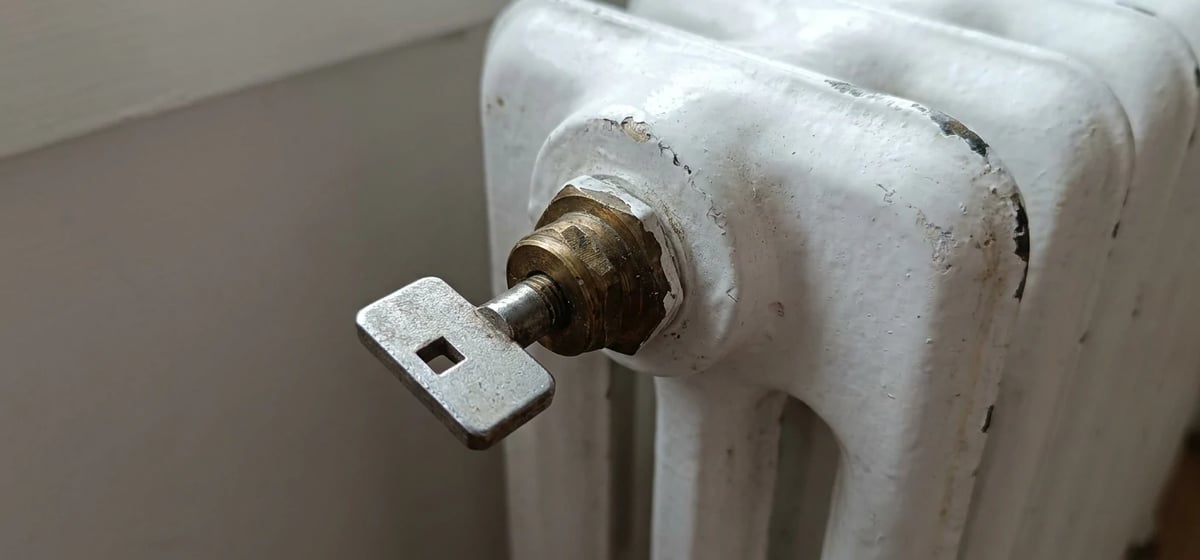
A radiator bleed valve is a small metal knob or screw located near the top of a hot water radiator. You open it to let trapped air escape from your heating system. The word bleed comes from the Old English word bledan, which means to let blood. Plumbers borrowed this medical term in the 19th century to describe letting unwanted air or fluid out of a closed system.
When your boiler heats water, small air bubbles form. Over time, this air travels through your pipes and gets trapped at the highest points in your radiators. Since air is lighter than water, it sits at the top. This air pocket stops hot water from filling the entire radiator. The bleed valve gives that trapped air a way out.
Why It Matters For Your Comfort
If you do not release this trapped air, your room will not get warm enough. You will usually notice this when the bottom of your radiator is hot but the top feels completely cold. Your boiler has to work much harder to heat the room. This wastes energy and drives up your winter utility bills.
Learning how to use this valve is an important part of understanding your HVAC & Climate Control systems. Bleeding your radiators at the start of the cold season keeps your home comfortable. It also protects your pipes from rusting. Oxygen trapped inside the metal pipes can cause corrosion over time. Removing the air keeps the water flowing smoothly and quietly. If you hear loud banging or gurgling noises from your heater, trapped air is usually the culprit.
How To Bleed Your Radiator
Finding the valve is easy. Look at the top corners of your radiator. You will see a small metal nub sticking out. Some valves have a tiny handle you can turn with your fingers. Others require a special tool called a radiator key. Some modern valves just need a standard flathead screwdriver.
Follow these steps to clear the air out of your system:
- Turn off your heating system completely and wait for the radiators to cool down.
- Place an old towel or a small cup directly under the valve to catch any drips.
- Insert your key or screwdriver and turn it slowly counterclockwise.
- Listen for a soft hissing sound. This is the trapped air escaping.
- Wait until the hissing stops and a steady trickle of water comes out.
- Quickly turn the valve clockwise to close it tight.
If you have a house with multiple floors, start with the radiators on the ground floor and work your way up. Air naturally rises. The worst air pockets will always be in the highest rooms of your house.
What Happens When A Valve Breaks
Sometimes a bleed valve gets stuck from years of hard water buildup. If you force a stuck valve, it can snap off. You might also find a valve that drips water even after you tighten it. In these cases, you will need to replace the part.
The valve itself is very cheap. You can buy a replacement at the hardware store for 10 to 20 dollars. However, replacing it requires draining the water out of the radiator first. If you hire a professional, expect to pay a plumber 150 to 300 dollars for the service call. Keep in mind that what home repairs cost will vary based on where you live and how old your plumbing is. If your home has very old cast iron radiators, the threads might be rusted. A plumber might need special tools to extract the broken valve without damaging the whole radiator.
Check all your valves during Your First Year as a Homeowner so you know they work before winter hits. A little basic maintenance will keep your toes warm all season long.