What is a radon mitigation system?
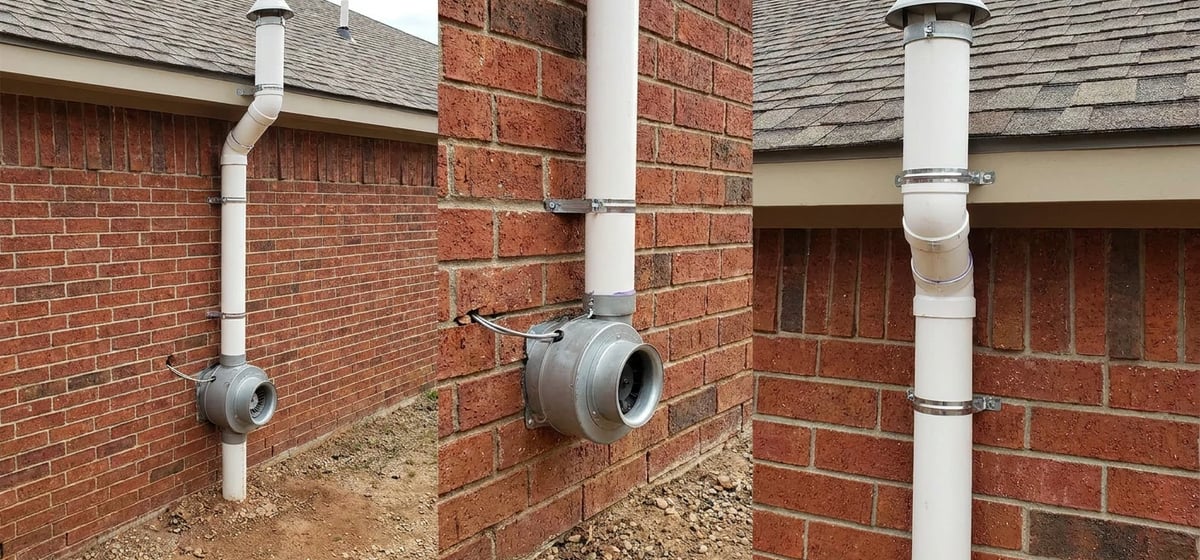
A radon mitigation system pulls dangerous radon gas from the soil under your home and vents it safely above your roof. It usually involves a PVC pipe running from your basement floor up to the roofline and a small fan that runs constantly. Scientists discovered radon gas in 1900 and named it after the element radium. Builders created mitigation systems in the 1980s when the government realized indoor radon caused serious lung issues. Today, this setup is a standard feature in many homes across the country. It's a simple but highly effective way to keep your indoor air safe to breathe.
Why it matters to you
Radon is a radioactive gas that you can't see, smell, or taste. It comes from the natural breakdown of uranium in soil and rock. As it breaks down, the gas rises and sneaks into your house through small cracks and gaps. If you breathe in high levels of this invisible gas over a long period, it can severely damage your lungs. In fact, radon is the second leading cause of lung cancer in the United States.
A mitigation system stops the gas from entering your living space. The system creates a vacuum under your floor. The fan pulls the harmful gas into the plastic pipe and pushes it outside. Once the gas mixes with fresh outdoor air, it becomes harmless. You can learn more about testing for this gas in our guide to Environmental Hazards.
Where you run into it
You'll usually spot the main pipe in the lowest level of your home. If you have a basement, the pipe goes right into a hole drilled in the concrete slab. If your home sits on a crawlspace, contractors place a heavy plastic vapor barrier over the dirt floor. They seal the edges and connect the pipe directly to that plastic sheet. The fan itself usually sits outside your house on an exterior wall or up in the attic.
You'll often deal with this system when buying or selling property. During a real estate transaction, buyers almost always order a professional radon test. If the test comes back with high levels, the buyer will ask the seller to fix it. The seller usually pays a professional to install a mitigation system before closing. Check out our guide on Buying a Home for more details on home inspections.
Installation and costs
Installing a new system takes a professional about one day. The contractor will drill the hole, run the pipe, mount the fan, and seal any visible cracks in your Foundation & Structure. They will also run a new electrical outlet to power the fan. After the work is done, they'll leave a testing device in your home for a few days to make sure the gas levels dropped.
If you need a brand new system installed, expect to pay between 800 and 2000 dollars. Replacing a broken fan costs about 150 to 300 dollars. Keep in mind that these ranges vary based on your home size, layout, and local labor rates. While federal home energy tax credits have ended, you can sometimes find local incentives for home health improvements. Always check with your state energy office or local health department for current rebates.
What to watch for
Once you have a system, it runs constantly. You don't need to turn it on or off. However, you do need to keep an eye on it to make sure it's working. The fan is the only moving part, and fans usually last 5 to 10 years before they burn out.
Check your pressure gauge: Look for a small plastic tube shaped like a letter U on the side of your PVC pipe. This is a manometer. It has colored liquid inside. If the liquid sits at the exact same level on both sides of the tube, your fan is broken or the pipe is blocked. The liquid needs to be uneven to show the fan is actively pulling air.
If your fan breaks, call a local radon professional to swap it out. You should also buy a cheap home testing kit from the hardware store every two years. This helps you confirm that the system is still keeping the gas out of your home.