What It Is
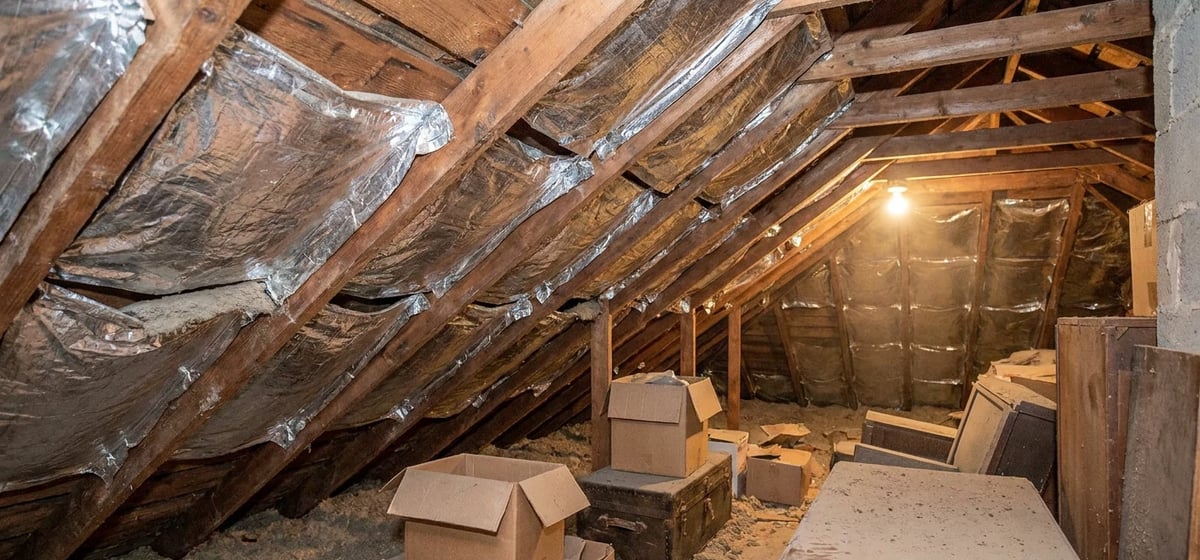
A radiant barrier is a highly reflective material that you install in your attic. It looks a lot like heavy aluminum foil. The concept of using reflective foil for insulation began in the 1920s. NASA later perfected radiant barriers in the 1960s to protect astronauts and spacecraft from extreme temperatures in space. Today, you can use that same technology to protect your house. It usually consists of a thin layer of aluminum applied to a strong backing material. This backing might be kraft paper, plastic film, or cardboard. The backing makes the foil tough enough to handle without tearing. Regular insulation slows down heat flow. A radiant barrier actually bounces the heat away. The shiny side literally acts like a mirror for invisible heat rays. When the summer sun beats down on your roof, the barrier stops that heat from baking your attic.
Why It Matters to You
If you live in a hot climate, your attic can get incredibly hot. Temperatures can easily reach 140 to 150 degrees in the middle of summer. That trapped heat pushes down into your living space. It forces your air conditioner to work much harder. A radiant barrier reflects up to 97 percent of the sun's heat. This keeps your attic much cooler. If your air conditioning ducts run through your attic, a hot attic is a huge problem. The heat warms up the cold air inside your ducts before it ever reaches your vents. By installing a radiant barrier, you protect those ducts. Your air conditioner runs less often. Your home cools down faster. You save money on your monthly utility bills. You will notice the biggest difference during the hottest summer months. If you want to learn more about keeping your home cool, check out our guide on HVAC & Climate Control.
Where You Will Find It
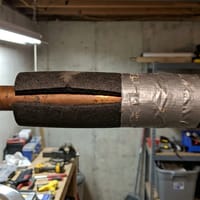
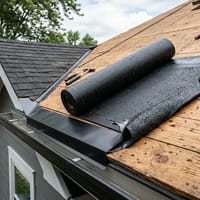
You will almost always find a radiant barrier in the attic. In newer homes in the southern United States, builders often install radiant barrier roof decking from the start. The foil is glued to the plywood at the factory. In older homes, contractors retrofit the attic by unrolling long sheets of foil. They staple these sheets across the bottom edges of the roof trusses. You might see this reflective decking if you ever replace your roof. You can read more about roof structures in our Roofing guide. You might also find this reflective foil wrapped around your water heater or your attic air ducts.
What It Costs
Adding a radiant barrier is a fairly cheap upgrade. The material itself usually costs between 15 cents to 50 cents per square foot. If you hire a professional to install it, expect to pay between 500 to 1500 dollars for an average attic. A small attic might cost 300 to 600 dollars if you do it yourself. A larger home will push the professional installation cost closer to 2000 dollars. Keep in mind that prices vary depending on your local labor rates. It is a popular weekend project for handy homeowners. You just need a staple gun, a utility knife, and a lot of patience. If you are deciding whether to do it yourself, read our guide on DIY vs. Hiring a Pro.
What to Watch For
Radiant barriers are amazing for hot summer weather. They do not help very much in the winter. Regular fluffy insulation is much better at keeping your indoor heat from escaping into the cold outside air. The foil is a team player, not a replacement for regular insulation. When installing a radiant barrier, keep these rules in mind:
- Leave an air gap. The shiny side needs an empty air space next to it to reflect heat.
- Avoid dust. Never lay the foil flat on the floor because dust will ruin its reflective power.
- Use perforated foil. Tiny holes in the material let water vapor escape so you do not grow mold.
- Keep your regular insulation. The foil does not replace the fluffy fiberglass or cellulose on your attic floor.