What Is a Rapid Shutdown?
A rapid shutdown is a safety switch for your rooftop solar panels. Solar panels make electricity as long as the sun shines. You cannot just turn off the sun. This means the wires on your roof stay live even if you turn off the main power to your house. A rapid shutdown system fixes this problem. It instantly drops the voltage of the solar panels to a safe level.
This system usually involves small devices attached to each solar panel. These devices talk to a main switch near your electrical meter. When someone flips that switch, or when the grid loses power, the devices cut the electricity right at the panel. This keeps the high voltage power from traveling down the wires into your home.
Why It Matters to You
The main reason for a rapid shutdown is safety. If your house catches fire, firefighters need to get on your roof. They might need to cut holes in the roof to let smoke out. If your solar panels are still pumping out high voltage, the firefighters are in danger of a severe electric shock. This safety switch protects them while they work on your house.
It also protects repair workers. If a roofer or an electrician needs to fix something near your panels, they need a safe workspace. The National Electrical Code created this safety requirement in 2014. They named it for the fast speed at which the system must cut the power. If you are adding Solar Panels to your roof today, this feature is required by law in almost every state.
What It Costs
If you buy a new solar system today, the rapid shutdown feature is already built into the price. You will not pay extra for it. The cost of the microinverters or optimizers attached to your panels covers this safety feature.
If you have an older solar system built before 2014, you might not have this feature. You usually do not have to upgrade unless you make big changes to your system. If you do need to add rapid shutdown devices to an older system, expect to pay 50 to 200 dollars per panel for the parts. You will also need to pay an electrician for a few hours of labor. Labor costs generally run 100 to 150 dollars an hour, though ranges vary based on where you live.
What to Watch For
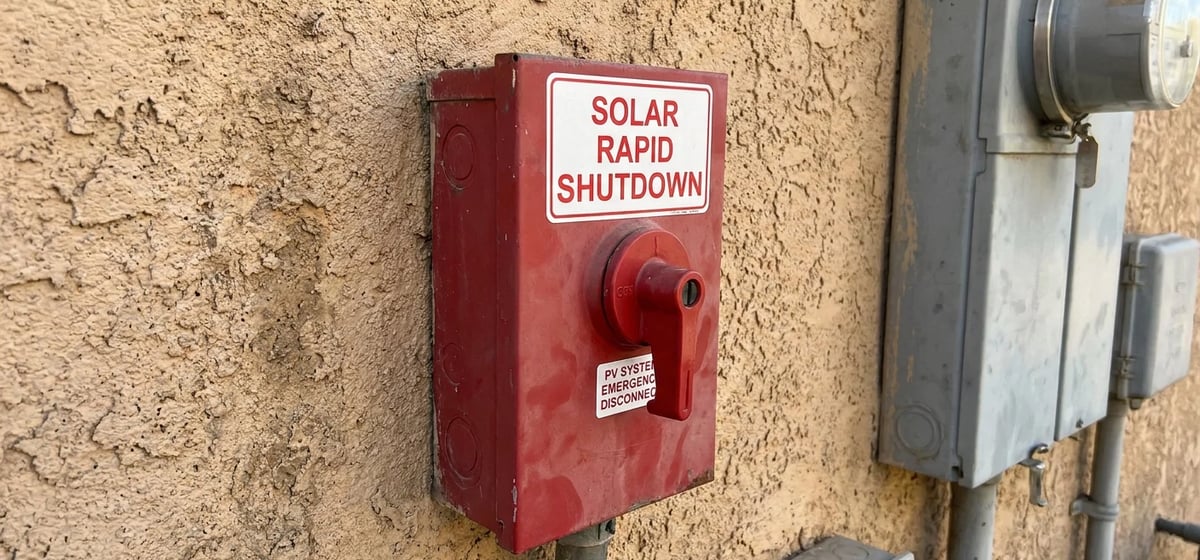
You will usually see a bright red emergency switch on the outside of your house. It is often located right next to your main Electrical panel or your utility meter. The switch will have a clear label that says "Rapid Shutdown" in bold letters.
Here are a few things to keep in mind as a homeowner:
- Power outages: When the grid goes down, your rapid shutdown system automatically kicks in. This stops your panels from sending power back into the grid and shocking utility workers.
- System errors: Sometimes a power surge or a glitch can trigger the shutdown. If your solar app shows you are making zero power on a sunny day, check the switch.
- Upgrades: If you get a new roof, your solar panels must come down. When the crew puts them back up, local building codes might force you to add a rapid shutdown system if you do not already have one.
If you ever have questions about your specific setup, call the company that installed your panels. They can walk you through how your safety switch works.