What Is A Utility Meter?
A utility meter is a device that tracks exactly how much electricity, gas, or water your home uses. The utility company reads this device every month to figure out how much to charge you on your bill. The word meter comes from the Greek word metron which means a measure. Utility companies started installing these devices on houses in the late 1800s to bill customers accurately. Today, the technology is much more advanced.
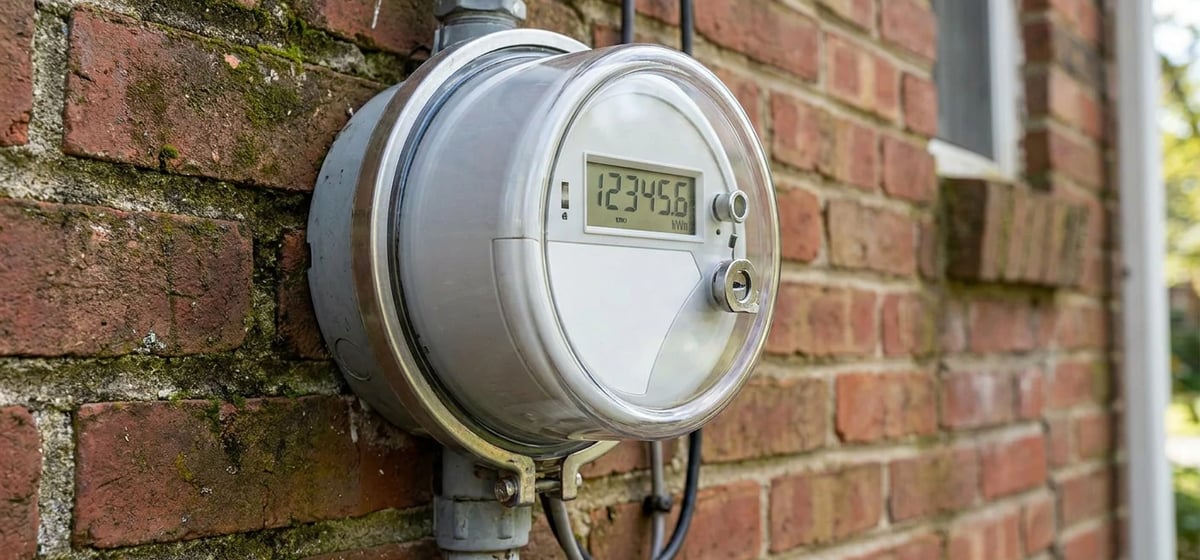
Many modern homes have smart meters. These digital devices send your usage data wirelessly directly to the utility company. You don't need a person to walk into your yard to read them. Older homes might still have analog meters. These feature spinning dials and mechanical parts. If you have an analog meter, a utility worker will visit your property once a month to write down the numbers.
Where To Find Your Meters
Locating your utility meters is a perfect project for Your First Week as a Homeowner. You need to know exactly where they are before a problem happens. They are usually easy to spot.
- Electric meters: These are usually attached to the outside wall of your house. Look near where the overhead power lines connect to your roof, or on the side of the house near the garage. They look like a glass bowl over a digital screen or a set of dials.
- Gas meters: These are typically on an exterior wall too. They feature thick metal pipes, a dial box, and a shutoff valve. They are often placed close to the ground.
- Water meters: These are usually located near the street. Look for a heavy metal or plastic lid set into the grass or the sidewalk. In colder climates, your water meter might be tucked inside your basement to keep it from freezing.
Why Your Meters Matter
Your meters dictate your monthly budget. If a meter breaks or reads incorrectly, you might get a massive bill by mistake. You also need to know where these devices are if you plan to hire contractors for major Electrical or Plumbing work. Professionals often need to turn off the main supply before they start a big job.
For example, if you want to upgrade your main electrical panel, the power company will need to pull the meter off the house first to cut the power. This keeps the electrician safe. A heavy up to a modern 200 amp panel usually costs 1,500 to 4,000 dollars, though ranges vary based on your location and the scope of work.
Reading Your Own Meter
You don't have to wait for your monthly bill to see how much power or water you are using. You can read the meter yourself to track your habits. If you have a digital meter, simply read the numbers on the screen from left to right. If you have an older dial meter, read the little dials from left to right. If a hand points between two numbers, always write down the smaller number.
Checking your water meter is also a brilliant way to find hidden leaks in your house. Turn off all the faucets, the washing machine, and the dishwasher. Go outside and look at the water meter. If the dial or the small triangle on the face is still moving, water is flowing. This means you have a leak somewhere that needs fixing.
What To Watch Out For
Always keep the area around your utility meters clear. Don't plant thick bushes, build fences, or stack firewood right in front of them. The utility workers need clear and safe access to read or fix the equipment. If you block the meter, the company might just guess your usage for the month. This is called an estimated bill. Estimated bills are almost always higher than your actual usage.
Finally, never try to open, move, or tamper with a utility meter. The meter itself belongs to the utility company, not you. Tampering with it is illegal and very dangerous. If you think your meter is broken, call your provider to come inspect it.