What is a Ridge Cap?
Look at the very top of your house. You'll see a line where the two sloping sides of your roof meet. This peak is called the ridge. The ridge cap is a layer of special shingles that covers this exact spot. The word ridge comes from an old term for the back of an animal. Builders added the word cap because these shingles sit right on top of the house like a hat.
Regular flat shingles can't bend over the peak without cracking. Ridge cap shingles are thicker and built to fold over the top. Roofers install them so they overlap each other. This creates a tight seal against rain, snow, and wind.
Why the Ridge Cap Matters
The peak of your roof takes a beating from the weather. High winds hit the top of your house first. If your roof didn't have a cap, wind would easily catch the top edges of your regular shingles and tear them off. Rain would also pour straight down into the gap between the two sides of your roof. The ridge cap locks everything down.
It also plays a big part in keeping your house breathing. Many homes have a ridge vent hidden right under the ridge cap. This vent lets hot air escape from your attic. The cap shingles sit slightly raised over the vent to keep bugs and rain out while letting the air flow. Proper airflow keeps your attic dry and helps your air conditioner run better. You can learn more about how your roof works in our guide to Roofing.
Different Types of Ridge Caps
Most homes have asphalt shingle roofs. For these roofs, roofers use asphalt ridge cap shingles. These match the color of the rest of the roof but are thicker and stronger. If you have a metal roof, the ridge cap is a long piece of metal bent into a V shape. Tile roofs use curved clay or concrete tiles to cap the peak.
No matter the material, the job is the same. The cap must overlap the regular roof material and seal the gap. Some roofers try to save money by cutting regular flat shingles and bending them over the peak. This is a bad idea. Regular shingles are too thin and will crack when bent. Always make sure your roofer uses actual ridge cap shingles.
Signs of Trouble Up Top
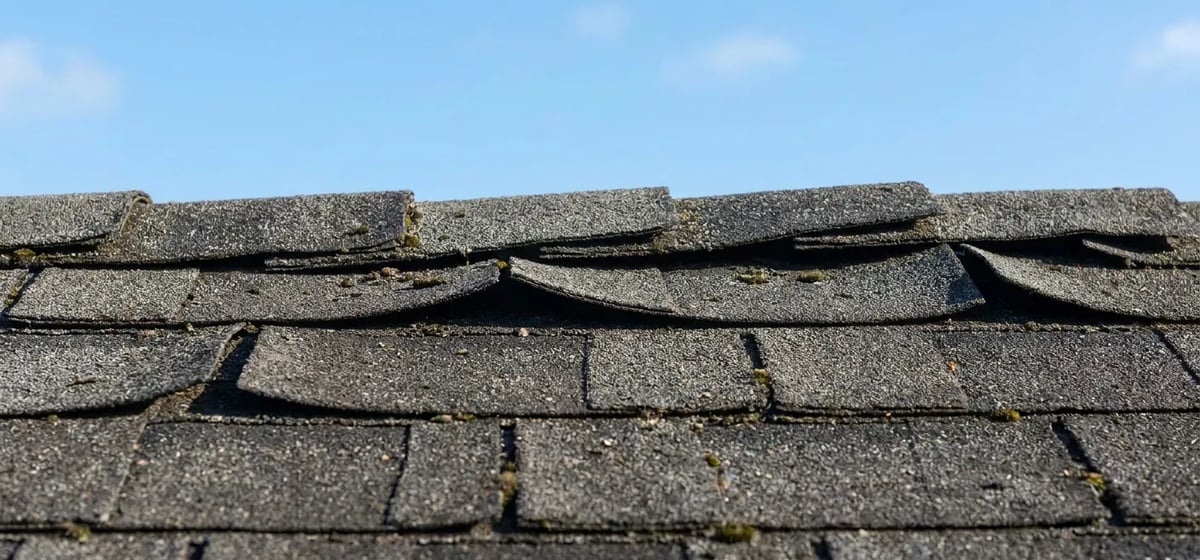
Because the ridge cap sits at the very highest point, it takes the most abuse from the sun and wind. These shingles often wear out faster than the rest of your roof. You should check on them once a year. You don't need to climb up there to look. Just stand in your yard with a pair of binoculars. Look for these warning signs:
- Curled edges that look like they are lifting up off the roof.
- Cracks in the middle of the shingle where it bends over the peak.
- Missing granules that make the shingle look bald or shiny.
- Exposed roofing nails that have popped up out of the wood.
Repair and Replacement Costs
Fixing a ridge cap is usually a quick job for a pro. If a bad storm blows off a few pieces, you might only need a minor repair. Roofers typically charge 150 to 400 dollars to replace a small section of missing cap shingles. If your whole roof is getting old, you might need to replace the entire ridge cap. This usually costs 3 to 6 dollars per linear foot. Prices vary based on where you live and the steepness of your roof.
Always get a few quotes before you hire someone. You can read more about hiring help in our guide to Hiring Contractors & What Things Cost. Working on the peak of a roof is very dangerous. Unless you have proper fall protection gear, you should leave this job to a professional. Read our DIY vs. Hiring a Pro guide to help you decide when to call an expert.