What is a setback?
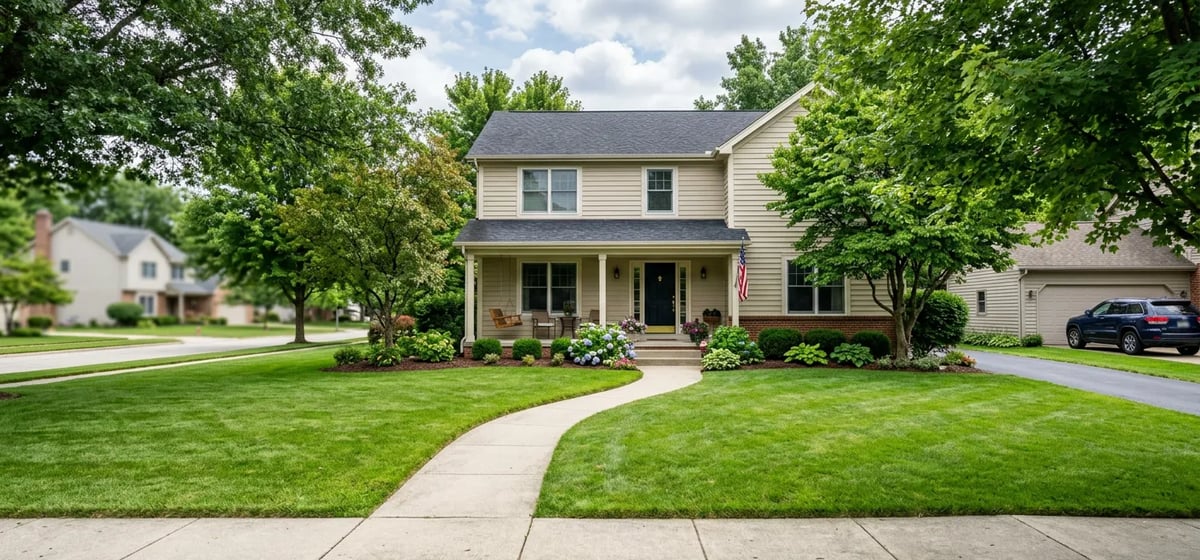
A setback is an invisible line on your property. It tells you exactly how far your house or any other structure must sit from the property line. Local zoning offices create these rules. They want to keep homes from crowding the street or sitting too close to the neighbors. The idea started back in the early 1900s. City planners wanted to make sure tall buildings allowed sunlight and fresh air to reach the sidewalks below. Today, every town has its own specific rules. A front setback keeps your house away from the road. A side setback gives you space between you and the house next door. A rear setback protects the space in your backyard. Zoning laws change depending on where you live. A house in the country might need to sit 50 feet back from the road. A house in a busy suburb might only need a 15 foot gap. Corner lots often have two front setbacks because they touch two streets.
Why setbacks matter to you
You need to know these rules before you build anything new. If you want to add a room, pour a patio, or put up a fence, you have to stay within the lines. If you cross that invisible boundary, the city won't give you a permit. Building without a permit leads to big problems. The city can fine you. They can even force you to tear down your brand new project. Setbacks also help you keep the peace. Following the rules stops arguments before they start. You can read more about getting along with the people next door in our guide to Neighbors & HOAs. If you live in a community with a Homeowners Association, you might have even stricter rules. The city might say you can build 10 feet from the line, but your HOA might require 15 feet. You always have to follow the stricter rule. Ignoring this can lead to legal trouble and expensive fees.
Common projects affected by setbacks
Many outdoor projects trigger a setback check. You will run into these rules when you plan improvements. Here are the most common projects that require you to look up your property lines:
- Building a wooden deck or a concrete patio.
- Putting up a large storage shed or a detached garage.
- Adding a sunroom or a second story to your house.
- Installing a swimming pool or a hot tub.
- Putting up a new fence around your yard.
Sheds are tricky. Some towns let you put a small shed right on the line. Other towns treat a large shed just like a house. Pools have their own special rules. The water needs to be a certain distance from the property edge to keep splashing and noise away from neighbors. If you're planning to upgrade your outdoor space, check out our guide on Exterior: Siding, Garage & Decks.
How to find your lines and what it costs
You can't just guess where your property ends. To find your exact setbacks, you need a property survey. A professional land surveyor will come to your house. They will find the metal pins buried in the corners of your yard. They will draw a map showing exactly where you can build. Hiring a surveyor typically costs 400 to 800 dollars, though ranges vary based on your lot size. If you absolutely need to build over the line, you can ask the city for a variance. A variance is a special permission slip to break the rule. Applying for a variance costs money, usually 200 to 1,000 dollars, and the city might still say no. Applying for a variance takes time. You have to fill out paperwork and pay the fee. Then you have to attend a public hearing. Your neighbors will get a letter in the mail. They can come to the meeting and complain if they don't want you to build. If the zoning board agrees with your neighbors, your project is dead. This is why you should talk to a local builder before you start. You can learn more about finding the right help in our guide to Hiring Contractors & What Things Cost.