What Is A Shear Wall?
A shear wall is a specially built wall that keeps your house standing straight. Normal walls hold up the weight of your roof and the floors above. That is called a vertical load. But houses also face powerful side to side forces. High winds and earthquakes push hard against the broad side of your home. If your walls only support weight from above, a strong sideways push can make them lean or collapse like a house of cards.
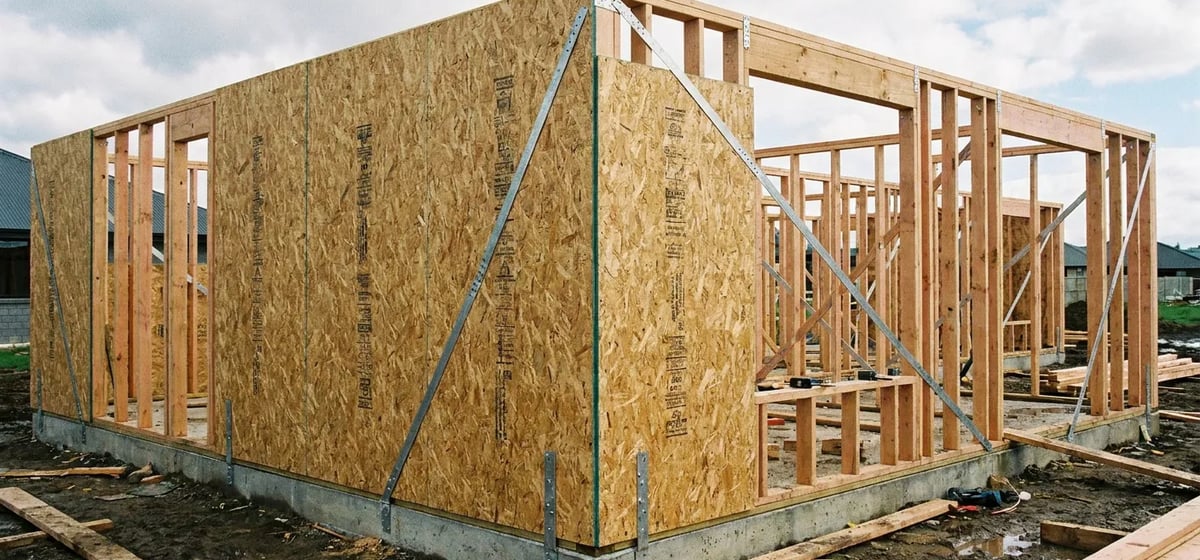
Builders create a shear wall to fight off that sideways push. They start with standard wood studs. Then they nail thick plywood or oriented strand board tightly to the framing. They use a specific nailing pattern with lots of heavy duty nails spaced just a few inches apart. Finally, they tie the wall directly to your concrete foundation using thick steel brackets and heavy anchor bolts. This creates a very stiff panel that won't twist, bend, or snap under extreme pressure.
Why It Matters To You
You might never see a shear wall because regular drywall and exterior siding hide it from view. But it's one of the most important safety features in your entire home. Modern building codes require them in areas prone to hurricanes, tornadoes, and earthquakes. If you live on the West Coast or near the Gulf of Mexico, your house definitely relies on them.
These reinforced walls protect your family and your biggest financial investment. When a major storm hits, a shear wall transfers the massive wind force down into the ground. This keeps your Foundation & Structure safe and intact. Without them, your house could shift off its base entirely or suffer severe structural damage.
Where To Find Them
You'll usually find shear walls on the outside perimeter of your house. Builders place them at the exterior corners to box the house in and make the whole shape rigid. You'll also see them around large openings where the wall is naturally weaker.
- Next to your wide garage doors.
- Between large picture windows or sliding glass doors.
- Along the long sides of a rectangular house.
- In the middle of very large, open concept homes to break up the space.
What To Watch For
Over time, shear walls can suffer damage just like any other part of your home. Wood rot, hungry termites, and foundation settling can weaken the wood and steel components. If a shear wall fails, your house loses its main defense against severe weather.
Look for diagonal cracks in your drywall that start at the top corners of windows or doors. Pay close attention if your doors suddenly start sticking or won't close properly. You might also notice cracks in your stucco or siding on the outside. If you see these warning signs, you should inspect your Exterior: Siding, Garage & Decks for water damage. Water getting behind the siding can rot the thick plywood that gives the wall its incredible strength.
Repair And Retrofit Costs
Older homes built before the 1990s often lack proper shear walls. Many homeowners choose to retrofit their older houses to add them. This usually happens in active earthquake zones or coastal storm areas. Contractors will open up the walls, add the structural plywood, and bolt the framing down to the foundation.
Adding or repairing a shear wall isn't a cheap project. A basic seismic retrofit on a small house usually costs between 3,000 to 7,000 dollars. If you need to fix extensive water damage or add new shear walls to a larger home, the price can jump to 10,000 to 15,000 dollars. Keep in mind that these ranges vary based on your location, local permit fees, and the size of your home. You should always get a few detailed quotes when Hiring Contractors & What Things Cost.