What is a sewage ejector pump?
Most homes rely on gravity to move wastewater. When you flush a toilet or drain a sink, the water flows down your pipes and out to the city sewer line. But gravity only works if your plumbing sits above the main sewer pipe. If you have a basement bathroom or a laundry room below ground level, the water can't flow up on its own. This is where a sewage ejector pump comes in.
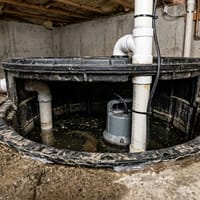
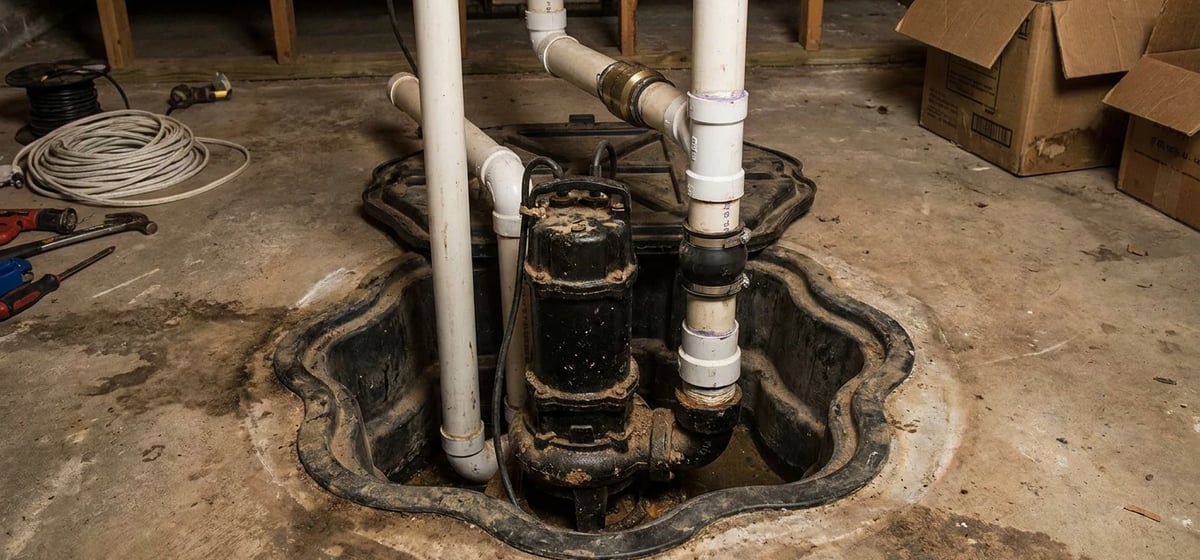
A sewage ejector pump is a motorized device that sits in a sealed basin under your basement floor. It collects the solid waste and dirty water from your lower plumbing fixtures. When the basin fills up to a certain level, a float switch turns the pump on. The pump grinds up the waste and forces it up a pipe until it reaches your main drain line. From there, gravity takes over and carries the waste away to the street.
How to maintain your pump
Your sewage ejector pump works hard behind the scenes. You need to treat it well so it lasts. These pumps handle human waste and toilet paper just fine. They can't handle much else. You must be very careful about what goes down your basement drains. If you rent out your basement or have guests stay down there, make sure they know the rules.
You should also listen to your pump to learn its normal sounds. You'll hear a low hum when it kicks on. If you hear grinding, rattling, or loud clanking, the pump might be failing. You might also notice bad smells if the basin seal breaks. If you catch a foul scent in your basement, check out our guide to smells and odors to figure out the source. A healthy pump system should be completely silent and odor free when it isn't running.
Signs your pump needs repair
A broken sewage ejector pump is a messy problem. You want to catch issues before the basin overflows into your basement. Watch out for these common warning signs.
- The pump runs constantly without shutting off.
- Water drains very slowly from your basement sink or shower.
- The toilet takes multiple flushes to clear.
- The pump trips your circuit breaker every time it turns on.
- Puddles form around the sealed lid on your basement floor.
If you see any of these signs, you should call a plumber right away. A pro can open the basin, clean the float switch, and test the motor. Routine plumbing checks can save you from a flooded basement. Don't try to open the sealed basin yourself. The trapped sewer gases are dangerous, and the mess is very hard to clean up.
What it costs to replace
Sewage ejector pumps usually last 7 to 10 years. Hard water, frequent use, and flushing the wrong items will shorten that lifespan. When the motor finally dies, you'll need to pay for a full replacement. You can sometimes replace just the float switch if the motor still works, but plumbers often recommend replacing the whole unit if it's older than 5 years.
Prices depend on your location and the size of the pump. You can expect to pay 800 to 1,500 dollars for a professional to replace a standard sewage ejector pump. This price includes the new pump unit and the labor to install it. If your plumber has to dig up the concrete floor to replace a cracked basin, the price can jump to 2,500 to 4,000 dollars. Keep in mind that ranges vary widely by state. If you want to learn more about hiring help, read our guide on hiring contractors and what things cost. Always get three quotes before you agree to a major plumbing repair.