What is a soft wash?
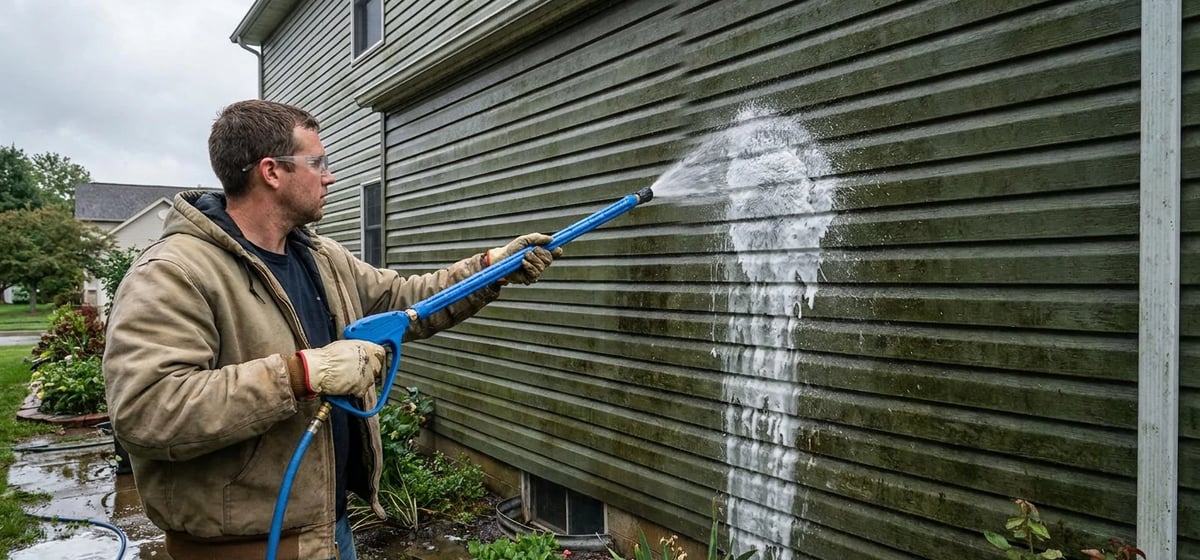
A soft wash is a cleaning method that uses low water pressure and special soaps to clean the outside of your house. Instead of blasting dirt away with extreme force, this method relies on chemicals to do the hard work. The soaps kill mold, algae, and moss at the root. The water pressure is barely stronger than a regular garden hose. The term started in the exterior cleaning industry in the early 1990s. Contractors needed a way to assure homeowners their fragile siding was safe. It is the direct opposite of high pressure washing.
When you hire a pro to clean your home, they'll mix a batch of cleaning solution. This usually includes bleach, water, and a soap that helps the mixture stick to the walls. They spray this mixture onto your house and let it sit for a few minutes. The chemicals break down the grime and kill the green streaks. Then, they rinse it all away with a gentle stream of water. This leaves your home looking new without any risk of physical damage.
Why it matters for your home
You might think a regular pressure washer is the best way to clean your house. But high pressure can cause serious damage to many common building materials. A strong blast of water can easily crack vinyl siding. It can strip the paint right off your wood trim. It can also force water up and under your siding panels. This trapped water often leads to hidden mold and wood rot inside your walls. A soft wash prevents all these expensive problems.
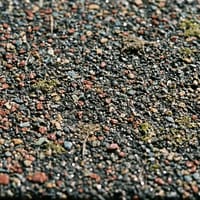
This gentle method is especially important when you maintain your Roofing. Asphalt shingles have tiny gravel granules on top that protect your house from the sun. High pressure water will blast those granules right into your gutters. This ruins your roof and forces you to replace it years early. A soft wash safely removes the ugly black streaks on your roof without harming the shingles.
Where to use a soft wash
You should use a soft wash on almost every part of your home exterior. It is the safest choice for delicate materials that can't handle harsh scrubbing or intense water pressure. You'll want to use this method to clean several common surfaces around your property.
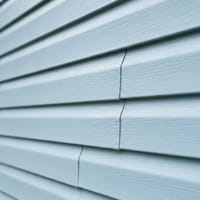
- Vinyl and aluminum siding: It cleans away green algae without denting the metal or cracking the plastic.
- Asphalt shingle roofs: It kills moss and removes black streaks while keeping the protective granules intact.
- Stucco and dryvit: It lifts dirt out of the rough texture without chipping the fragile surface.
- Painted wood: It cleans dirty wood without peeling off the paint or gouging the soft grain.
- Brick and mortar: It removes mildew without blasting away the old mortar holding the bricks together.
You should only save the heavy pressure washer for hard flat surfaces. Concrete driveways, stone walkways, and brick patios can handle high pressure. For everything else on your Exterior: Siding, Garage & Decks, a soft wash is the better choice.
What it costs and what to watch for
Hiring a pro to soft wash your house usually costs between $300 to $600. Prices depend on the size of your home and how dirty it is. Roof cleaning is often billed separately and adds another $300 to $800 to your bill. Keep in mind that these ranges vary based on where you live and the current season. You can always check our guide on Hiring Contractors & What Things Cost to learn how to get the best quotes.
Protect your plants: The chemicals used in a soft wash usually contain bleach. This can burn or kill your landscaping. A good contractor will spray your bushes with fresh water before, during, and after the wash to dilute any stray chemicals.
If you decide to do this yourself, you need to be very careful with the soap mixture. Wear safety glasses and gloves to protect your skin. Make sure you cover your outdoor electrical outlets so water and chemicals don't get inside. Always wet down your grass and flowers before you start spraying the bleach mixture. Take your time and let the soap do the work instead of trying to scrub the dirt away.