What is a solar tracker?
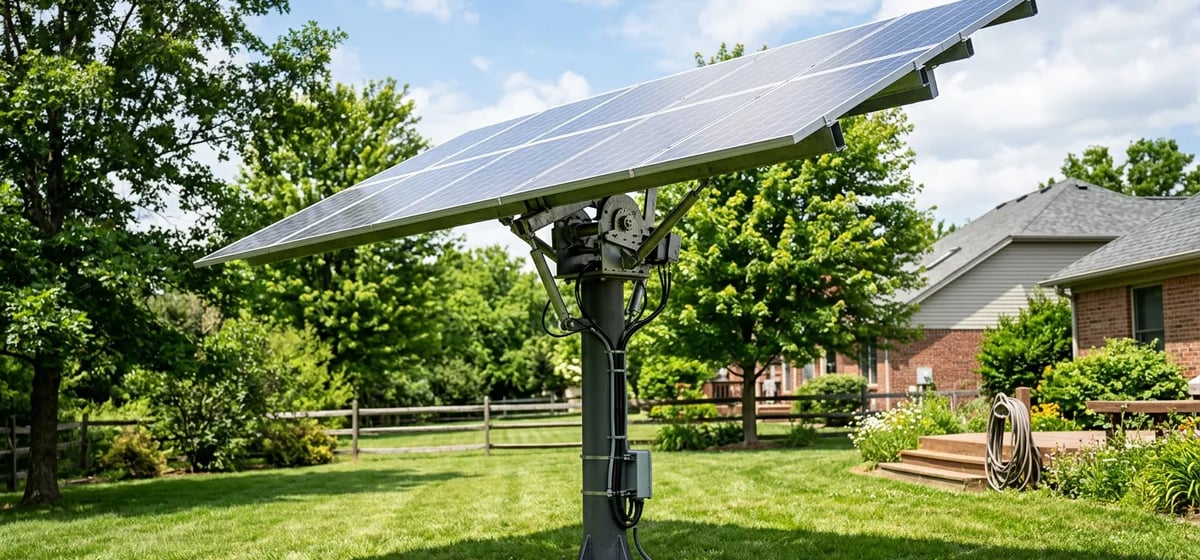
A solar tracker is a special mechanical mount for your solar energy system. Most standard solar setups sit flat on your roof and face one direction all day. A tracker is different. It physically tilts and turns your panels to follow the sun as it moves from east to west. Small sensors detect where the sun is brightest. Then, little motors adjust the angle of the panels to catch the most direct light. The word solar comes from the Latin word sol, meaning sun. Engineers built these automated trackers in the late 1900s. They wanted to squeeze as much electricity as possible out of very expensive solar equipment. Today, they are an option for homeowners who want to maximize their energy production.
Why it matters for your home
Direct sunlight is the key to making electricity. When your panels face the sun head on, they work at their absolute best. A tracker keeps your panels perfectly aligned from morning until evening. This means you can generate a lot more power than a fixed roof system. In fact, tracking systems can boost your energy output by 25 to 40 percent.
This extra power is great if you have high energy bills or a small yard. If you do not have enough roof space for a large system, a smaller ground system with a tracker can make up the difference. Utility companies sometimes charge you more for electricity in the late afternoon. A tracker keeps your panels facing the sun during those late hours. This helps you offset those expensive peak rates. You can learn more about standard setups in our guide to Solar Panels.
Single axis versus dual axis
If you look into buying a tracker, you will see two main types.
- Single axis trackers: These move in one direction. They follow the sun from east to west across the sky. They are cheaper and require less maintenance.
- Dual axis trackers: These move in two directions. They follow the sun from east to west, and they also tilt up and down to match the changing seasons. They catch the maximum amount of light but cost a lot more.
Most residential yards only need a single axis system. Dual axis setups are usually meant for large commercial solar farms.
What to watch for and what it costs
Solar trackers are almost always installed on the ground. Roofs usually cannot handle the heavy moving parts or the wind catching the tilted panels. Because they are on the ground, you need a decent amount of clear yard space. You also need to keep the area free of tall weeds or snow banks that could block the moving parts.
Trackers have motors, gears, and sensors. These moving parts can break down over time. You will need to inspect them and lubricate the joints. If a motor fails, your panels will get stuck facing one direction until you fix it. This adds long term maintenance that standard fixed panels just do not have. You should also check your Home Insurance policy to make sure ground mounted mechanical systems are covered in a storm.
Installing a ground tracker requires digging, pouring concrete footings, and running underground wires to your main electrical panel. You or your contractor will need to pull special permits from your city or county. You should also check if your local tax office will increase your home value. You can read more about how improvements affect your bills in our Property Taxes & Home Finances guide.
Adding a tracker to your solar project will increase your upfront price. A standard residential ground mount might cost $15,000 to $25,000. Adding a single axis tracker usually adds $500 to $1,000 per panel to your total bill. A full tracking system for a home often costs $20,000 to $35,000 before tax credits. Prices vary widely based on your location and the size of your system. You will need to weigh that extra cost against the savings on your monthly utility bill.