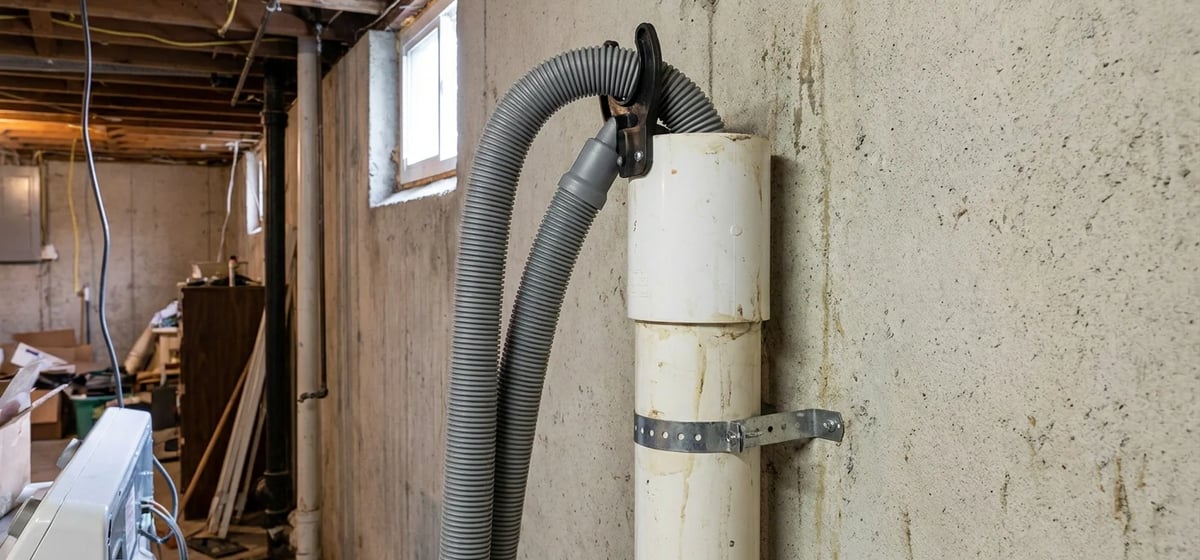
What is a Standpipe?
A standpipe is exactly what it sounds like. It is a vertical pipe that stands straight up. You will usually find it behind your washing machine. The washing machine drain hose hooks right into the top of it. This pipe catches all the dirty water when your washer empties out.
The top of the standpipe stays open. This open space lets air get in so the water drains fast. If the pipe was sealed tight, the water would not flow right. The bottom of the standpipe connects directly to your main home drain system. You can learn more about how your drains connect in our guide to Plumbing.
Plumbers first started using this term in the 1800s. Back then, they used it to describe any vertical water line in a building. Today, homeowners mostly hear the word when talking about laundry rooms or water softeners.
Why It Matters to You
This simple pipe does a big job. Modern washing machines pump out a lot of water very fast. Your drain system needs a way to catch all that water without spilling it all over your floor. The tall vertical design gives the water room to back up slightly before it flows down the main drain.
Every standpipe also needs a P-trap at the bottom. A P-trap is a curved piece of pipe that holds a little bit of water. This small pool of water blocks gross sewer gases from coming up the pipe and into your house. If you ever notice a terrible rotten egg smell in your laundry room, your standpipe trap might be dry. You can read more about tracking down weird scents in our guide to Smells & Odors.
Common Problems to Watch For
Standpipes are pretty simple, but they can still cause headaches. Keep an eye out for a few common issues.
- Sudden overflows: Lint, pet hair, and soap scum can clog the pipe over time. When the pipe gets blocked, dirty water will shoot out the top during the drain cycle.
- Sewer smells: If you do not use your washing machine for a few months, the water in the trap can evaporate. This lets sewer gas leak into your home. Pouring a pitcher of water down the pipe usually fixes this fast.
- Improper height: Building codes require standpipes to be a specific height. Usually, they need to be 18 to 42 inches tall above the trap. If the pipe is too short, water will easily spill over. If it is too tall, your washing machine pump will work too hard and burn out.
How to Maintain Your Standpipe
You do not need to do much to keep this pipe working well. The best thing you can do is stop clogs before they happen. Washing machines create a lot of lint. This lint goes straight down the drain and builds up in the pipes.
You can buy a cheap mesh lint catcher to put on the end of your washing machine hose. This small metal trap catches the fuzz before it goes down the standpipe. You just need to check the trap every month and throw away the lint. You should also run a hot water cycle with white vinegar once a month. This helps melt away soap scum that sticks to the inside of the standpipe.
Installation and Repair Costs
Sometimes you need to move a standpipe during a laundry room remodel. Other times, you might need a plumber to clear a stubborn clog that you cannot reach. Plumbers usually charge a flat fee or an hourly rate to work on these pipes.
Having a plumber snake and clear a clogged standpipe usually costs 150 to 300 dollars. If you need a completely new standpipe installed, expect to pay 300 to 600 dollars. Moving an existing pipe to a new wall might cost 500 to 900 dollars. Prices depend on how easy it is to reach your main drain lines. Remember that local rates vary quite a bit. You can check our guide on What Home Repairs Cost for more details on hiring professionals.