What Is a Starter Strip?
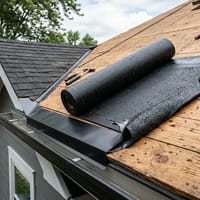
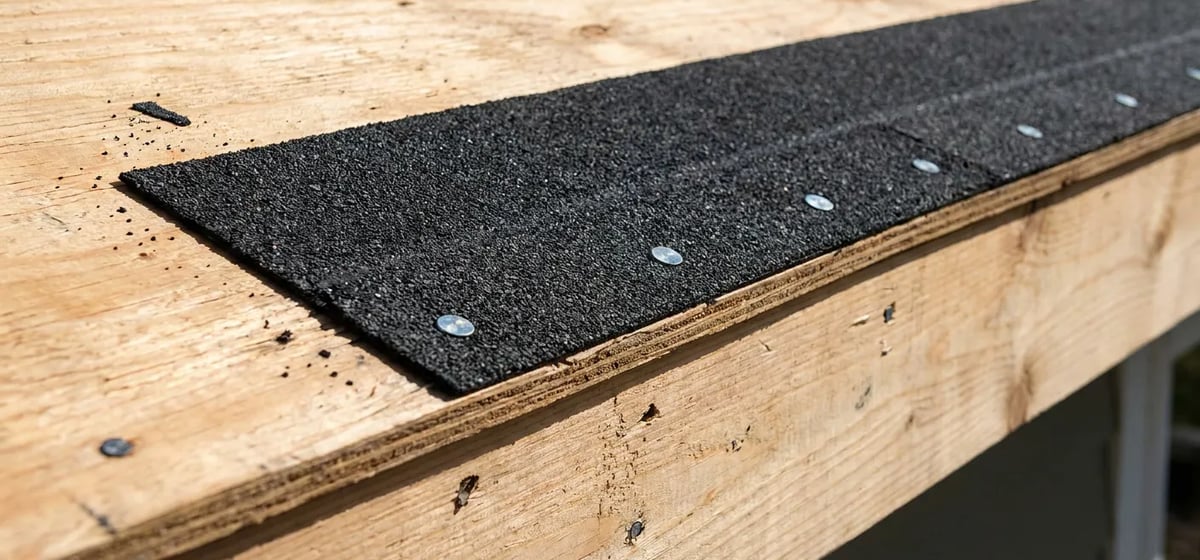
A starter strip is the very first layer of roofing material that goes down on your roof. Roofers install it right at the bottom edges, known as the eaves. They also place it along the sloping sides of your roof, called the rakes. It sits completely flat against the wood roof deck. The first row of visible asphalt shingles goes directly on top of it. This hidden strip plays a huge role in keeping your home dry and safe from storms.
In the past, roofers just cut the tabs off regular shingles to make a flat bottom row. Today, manufacturers make special rolls or bundles of starter strips. These modern strips have a thick, continuous line of strong adhesive. When the sun heats up your roof, this glue melts and grabs the first row of visible shingles tightly.
Why It Matters to You
You might not see the starter strip, but it does heavy lifting for your home. It protects the most vulnerable part of your roof. The bottom edge catches the brunt of strong winds during a storm. A proper starter strip gives you three main benefits:
- Wind defense: It stops strong gusts from lifting the bottom row of shingles.
- Water protection: It blocks rain from entering the joints between the first row of shingles.
- Straight lines: It gives the roofer an even guide to keep the rest of the roof pattern perfectly aligned.
Without a starter strip, a gust of wind can easily lift your bottom shingles. Once the wind gets under there, it can peel back whole sections of your roof. The starter strip seals that front edge down completely flat. It also acts as a waterproof barrier. Visible shingles have cutouts or joints between them. The starter strip sits under these gaps to cover the exposed spaces. If water gets past the edge, it will rot your wood roof deck and damage your ceilings. You can learn more about how all these parts work together in our guide to Roofing.
Where You Run Into It
You will usually see the term starter strip or starter shingles when you get quotes for a new roof. A good roofing contractor will list it as a separate line item. If you do not see it on the estimate, you need to ask about it. Skipping the starter strip is a common shortcut for bad roofers trying to save a little time and money.
You might also spot this term on a home inspection report when you are Buying a Home. An inspector will check the bottom edges of the roof. If they can easily lift the bottom shingles with their fingers, the starter strip is missing or the glue has failed. This is a red flag that the roof is highly vulnerable to wind damage.
What to Watch For
If you are getting a new roof, pay close attention to the materials your contractor uses. Make sure the roofer uses the exact starter strip made by your specific shingle manufacturer. Mixing different brands can easily void your warranty. Manufacturers require proper starter strips to guarantee their high wind ratings.
Expect to pay a small amount for this extra material. A bundle or roll of starter strip usually costs 30 to 50 dollars. One bundle covers about 100 linear feet of roof edge. On a typical home, the total cost for starter strip materials is only 100 to 250 dollars. Labor to install it will add a bit more to the bill. Keep in mind that material prices and labor rates vary based on your location. It is a very cheap way to protect your home from major water damage. The adhesive strip must sit as close to the bottom edge of the roof as possible. If the strip is placed too high, the very bottom edge of the top shingle will still flap in the wind.