What Is a Tandem Breaker?
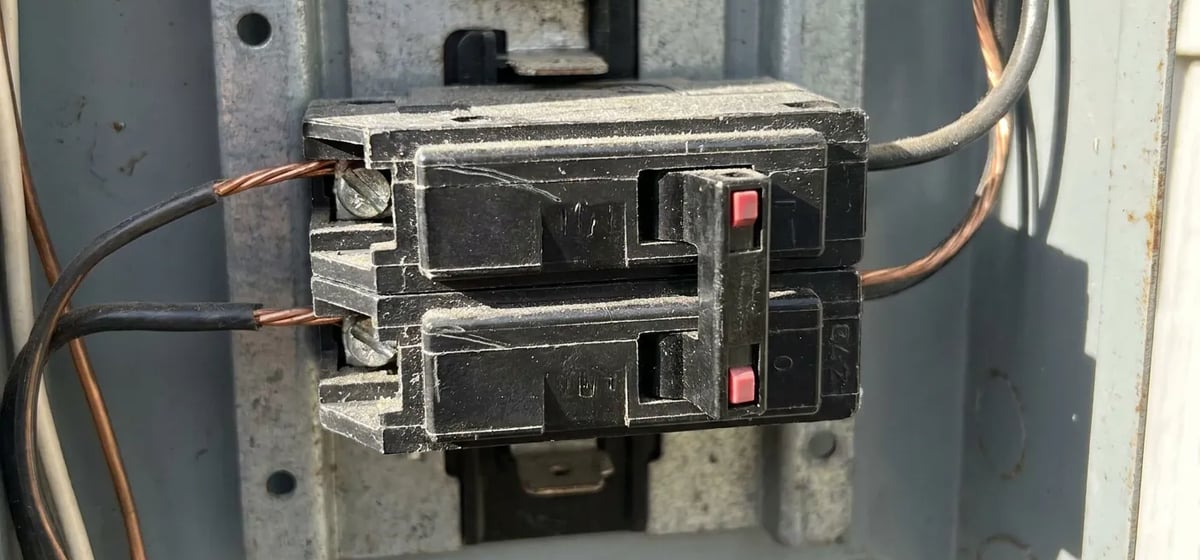
A tandem breaker is a single electrical switch that fits into one slot on your home electrical panel. But instead of controlling just one circuit, it controls two separate circuits. You might hear electricians call them duplex, slimline, or twin breakers. Manufacturers created these space saving breakers in the 1960s to help homeowners update older electrical boxes. The word tandem comes from Latin and means at length or of time. Later, people applied it to things arranged one behind the other. Today, tandem breakers help you add new wires without buying a larger panel box.
Why You Might Need One
You usually run into tandem breakers when you want to add a new appliance or remodel a room. If your electrical panel is full, you have no empty slots for new switches. Upgrading your entire panel to a larger size is a big job. Instead, an electrician can remove one standard breaker and replace it with a tandem breaker. This frees up space. You get two circuits in the space of one. This is very common when you finish a basement, add a heavy duty microwave, or install extra outlets in a home office.
What to Watch For
You can't just snap a tandem breaker into any open slot. Your electrical panel must be designed to accept them. If you look at the label inside your panel door, it tells you exactly how many total circuits the box can handle. Some panels allow tandem breakers in every slot. Other panels only allow them in specific slots near the bottom. If you force a tandem breaker into the wrong spot, it can start a fire.
You also need to think about the total power your home uses. A tandem breaker gives you more slots, but it doesn't give your home more total electricity. If your main service is only 100 amps, adding more circuits might overload your system. You can learn more about your home power needs in our Electrical guide.
Safety and Code Rules
Electrical work comes with strict safety rules. Local building codes dictate exactly how and where you can use tandem breakers. For example, older homes often have panels that were never tested for the extra heat two circuits create in one slot. If an inspector sees a tandem breaker in a panel that doesn't support it, you will fail the inspection. This often happens when people try to sell their home. The buyer hires an inspector, and the inspector flags the panel as a fire hazard.
You also have to match the brand. You should never put a Square D breaker into a Siemens panel, even if it seems to fit. Mixing brands voids the warranty and breaks safety codes. Always hire a licensed pro to check your panel brand, read the schematic on the door, and buy the exact matching part.
Before you agree to add tandem breakers, ask your electrician these questions:
- Does the panel label specifically say it allows tandem breakers?
- Are we putting the breaker in an approved slot?
- Does the new breaker match the brand of the panel?
- Will the extra circuit overload our total home electrical service?
Typical Costs
Tandem breakers are very cheap to buy, but you must pay for the labor to install them safely. The actual switch usually costs 15 to 30 dollars at a hardware store. However, hiring a licensed electrician to install it and wire your new circuit will cost much more. You can expect to pay 150 to 300 dollars for the labor. Prices and ranges vary depending on where you live and how hard it is to run the new wire. If you need to upgrade your whole panel instead, that job usually costs 1500 to 3000 dollars. This makes tandem breakers a great money saving option when your panel allows them. Before you hire someone, check our guide on Hiring Contractors & What Things Cost to make sure you get a fair deal.