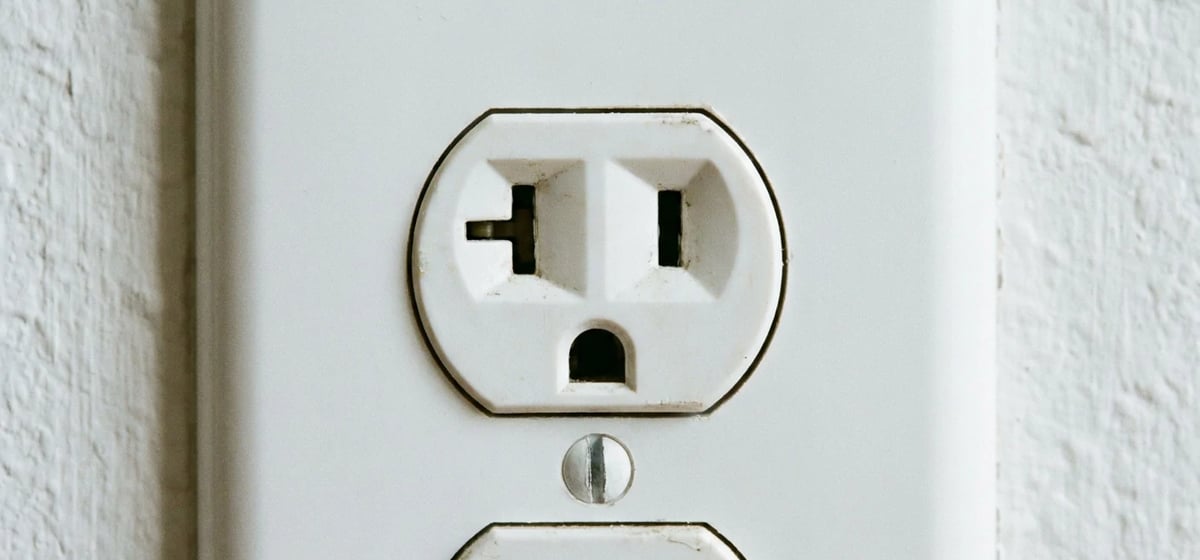
What It Is
A tamper resistant receptacle looks just like a normal electrical wall outlet. But if you look closely at the vertical slots, you will see a piece of plastic blocking the holes. These are spring loaded shutters built right into the device. When you plug in a lamp or a television, the two metal prongs push against the shutters at the exact same time. This equal pressure forces the internal shutters to open and lets the plug slide in. If you try to push a single item into just one hole, the shutters stay completely locked.
The electrical industry created the term by combining tamper, meaning to interfere, with resistant. For decades, parents used cheap plastic plug caps to keep kids safe. Those little plastic caps are easy to lose and easy for a clever toddler to pull out. Tamper resistant receptacles solve this problem permanently because the protection is built right into the wall.
Why It Matters To You
Safety is the biggest reason these outlets matter. Small children love to explore their surroundings. They often try to stick keys, paperclips, hairpins, or small toys into wall outlets. Older standard outlets have no defense against this. A child poking a metal object into a live slot can easily get a severe electrical shock or worse.
Because of this danger, the National Electrical Code made these new outlets mandatory for all new home construction starting in 2008. Today, they are a basic safety standard across the country. If you are upgrading your Electrical system or remodeling a room, your electrician will install these by default. They give you total peace of mind when kids or grandkids are crawling around the house. You never have to worry about forgetting to put a plastic safety cap back into the wall.
Where You Run Into It
You will see these outlets in almost every room of a modern house. Building codes require them in bedrooms, living rooms, kitchens, hallways, and even garages. You might notice them when you buy an older home and read your home inspection report. Inspectors frequently point out older standard outlets as a safety upgrade you should consider making soon.
If you are walking the aisles of a home improvement store, you will see them clearly marked on the shelves. The outlets themselves usually have the letters TR stamped right on the plastic face between the two vertical slots. Upgrading to these outlets is a common project covered in the New Homeowner Guide because it is a fast way to make an older house much safer.
Replacing an old outlet with a tamper resistant one is a standard job. A basic tamper resistant receptacle costs about 2 to 5 dollars at a hardware store. If you hire a licensed electrician to replace several of them, you can expect to pay 150 to 250 dollars for the initial service call, plus 15 to 30 dollars per outlet for labor and materials. Keep in mind that prices vary depending on where you live and the condition of your wiring.
What To Watch For
Sometimes these modern outlets can feel a bit stubborn. You might try to plug in a vacuum cleaner and feel sudden resistance. Do not force the plug into the wall. Pull the plug out and try pushing it straight in. Both prongs need to hit the internal shutters at the exact same time. If you push the plug in at an angle, the shutters will think you are a toddler poking a toy into the wall and they will lock up.
Keep these quick tips in mind when using these outlets:
- Never force a plug into the wall if you feel heavy resistance.
- Check your appliance cords and straighten any bent metal prongs.
- Look for the letters TR stamped on the face of the outlet to confirm it is the right type.