What Is a Thin-Film Solar Panel?
A thin-film solar panel is a lightweight and flexible way to turn sunlight into electricity. Scientists developed this technology in the 1970s to create a cheaper option instead of thick silicon wafers. Manufacturers make these panels by spraying or painting microscopic layers of sun-absorbing materials onto plastic, glass, or metal. These layers are incredibly thin. In fact, they are sometimes a hundred times thinner than a human hair.
Because they are so thin, these panels bend easily. They look completely different from the heavy, rigid glass rectangles you usually see on houses. If you are exploring Solar Panels for your home, you might consider thin-film options if your roof has a unique shape or can't support much weight.
Why Homeowners Choose Them
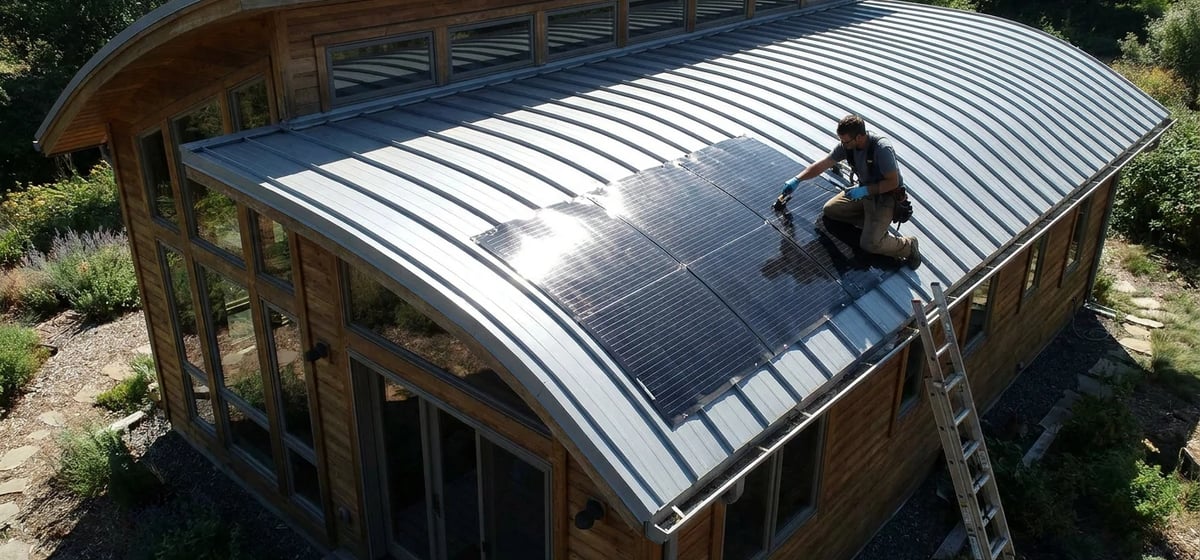
Thin-film panels offer a few unique benefits that standard panels can't match. The biggest advantage is their flexibility. You can wrap them around curved roofs, stick them onto metal roofing seams, or place them on custom carports.
They are also very light. A traditional solar panel is heavy and requires a strong metal frame to hold it in place. That extra weight can be a problem for older homes or lightweight outbuildings. Thin-film panels don't need heavy mounting racks. You can often glue them directly to the surface. This means they put much less stress on your Roofing materials and underlying wood structure.
Finally, they look sleek. Many homeowners like them because they sit completely flat against the roof. They blend in well and don't stick out like bulky glass panels.
How Much They Cost
The materials for thin-film panels are generally cheaper to produce than traditional silicon panels. You can expect to pay about $1 to $1.50 per watt for the panels themselves. A complete thin-film solar system for a standard house typically costs $8,000 to $15,000. Keep in mind that ranges vary widely based on your location, the size of your roof, and local labor rates.
Installation is usually faster and cheaper. Workers don't have to haul heavy glass up a ladder or build complex metal racks. They just unroll the panels and secure them to the roof. This lower labor cost helps balance out the total price of the project.
What to Watch For
While they are cheap and flexible, thin-film panels have a few major downsides you need to know about.
- Lower efficiency: Thin-film panels produce less electricity per square foot than standard panels. You will need a lot more roof space to generate enough power for your whole house.
- Shorter lifespan: The flexible materials wear out faster under the hot sun. A standard glass panel can last 25 to 30 years. A thin-film panel usually lasts 10 to 20 years before it needs replacing.
- Material toxicity: Some types of thin-film panels use heavy metals like cadmium. This is safe while the panel is on your roof, but it makes disposal complicated and expensive when the panel finally breaks down.
- Fewer installers: Not every solar company works with this specific technology. You might have to call around to find a local expert. When you do, always review our guide on Hiring Contractors & What Things Cost to make sure you get a fair deal.