What title insurance is
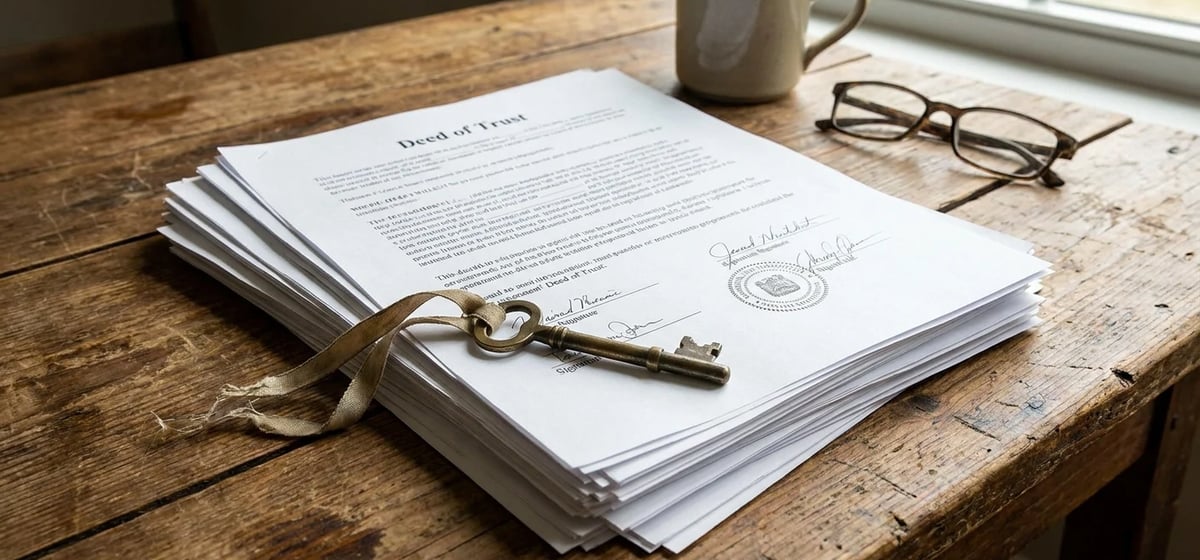
Title insurance is a special policy you buy when you purchase a house. It protects your legal right to own the property. Before you buy a house, a title company searches public records to make sure the seller actually owns it. They look for unpaid taxes, contractor liens, or other claims on the property. However, public records aren't perfect. Sometimes a clerk files a document wrong. Sometimes a previous owner had secret debts or forged a signature. A long lost relative might even show up and claim they own the land.
If someone challenges your ownership, title insurance pays your legal fees. It also covers your financial losses if you lose the court case. The word title comes from the Latin word titulus, meaning a label or inscription. The first title insurance company opened in Pennsylvania back in 1876 to protect buyers from fake property records. Today, it's a normal part of buying a house.
Why it matters to you
When you are Buying a Home, you want to be sure it is truly yours. Imagine moving into your new place and getting a letter from a contractor. The contractor says the previous owner never paid for a major roof repair. Because the debt is tied to the house, the contractor placed a lien on your property. This means they have a legal claim to your home until the debt is paid.
Without title insurance, you'd have to pay that old debt out of your own pocket. You would also have to hire a lawyer to sort it out. With an owner policy, the insurance company steps in. They pay the lawyer fees and they settle the debt. This insurance acts like a shield against hidden mistakes from the past. It gives you peace of mind during Your First Week as a Homeowner and beyond.
Lender versus owner policies
There are two main types of title insurance. You'll likely see both of them on your closing documents.
- Lender policy: If you take out a mortgage, your bank will force you to buy this. It only protects the bank if a title problem ruins their investment. It doesn't protect your money at all.
- Owner policy: This protects your money and your ownership rights. While it's usually optional, it is highly recommended. It covers you and your heirs for as long as you own the home.
Don't skip the owner policy. Many buyers think the lender policy protects them. It doesn't. If a serious title defect forces you to give up the house, the lender policy pays the bank back. You'd still lose your down payment and all your equity unless you have an owner policy.
What it costs
Unlike regular Home Insurance, you don't pay a monthly or yearly premium. You pay for title insurance just once on closing day. The coverage lasts for as long as you or your heirs own the property. The exact cost depends on the purchase price of your house and the state where you live.
You can expect to pay around 1000 to 3000 dollars for a standard policy, though ranges vary by location. In some states, the seller pays for the owner policy to prove they're selling a clean title. In other states, the buyer pays for both the lender and owner policies. Your real estate agent or escrow officer can tell you what is normal for your area. You can also shop around for different title companies to compare rates and save a little money.
What it doesn't cover
Title insurance is strictly for past events. It only covers problems that existed before you bought the house. It doesn't cover anything that happens after you take ownership. For example, if you fail to pay your property taxes, the county can put a lien on your home. Your title policy won't help you there. It also doesn't cover boundary disputes if you build a new fence on your neighbor's land. It's simply there to ensure you start your homeownership journey with a clean slate.