What is a trap adapter?
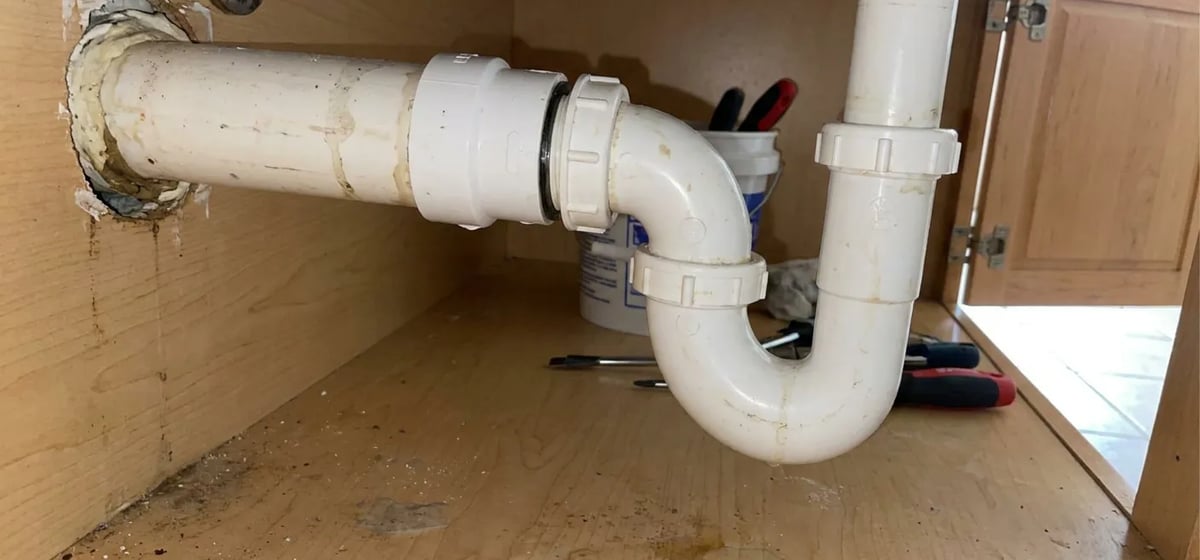
A trap adapter is a special plumbing fitting that you will find in almost every house. It connects a straight wall pipe to the curved drain piece under your sink. The word trap comes from the Old English word for a snare. The word adapter comes from the Latin word meaning to adjust. Plumbers started using these specific fittings in the mid 1900s when modern plastic drain pipes became very common. Today, almost every home has these simple plastic fittings. The adapter has threads on one end and uses a slip nut with a plastic or rubber washer. When you tighten the nut, the washer squeezes tightly against the smooth pipe. This creates a tight, waterproof seal so water cannot leak out into your home. You will usually find them made of white PVC plastic or black ABS plastic. Older homes might still have shiny chrome or brass ones.
Why it matters to you
This small part does a big job in your home Plumbing system. It keeps dirty wastewater flowing down the drain instead of spilling into your expensive wooden cabinets. It also makes future repairs much easier for you. Because a trap adapter uses a threaded slip nut, you can easily unscrew it by hand or with a pair of pliers. You do not have to cut the pipes if you drop a wedding ring down the drain or need to clear out a bad hair clog. You just unscrew the nut, pull the curved pipe out, and put it back when you are done. If this fitting fails, water will slowly drip into your vanity cabinet every time you wash your hands. Over time, that small drip can rot the wood floor of the cabinet and cause mold to grow. A broken seal can also let dangerous sewer gases escape into your house. If you notice bad smells under your sink, you might want to check out our guide on Smells & Odors to see if a loose adapter is to blame.
Where you will find it
You will run into trap adapters under almost every sink in your house. Take a flashlight and look inside the dark cabinet under your bathroom or kitchen sink. You will see a curved pipe called a trap. Follow that curved pipe back toward the wall or down toward the bottom floor of the cabinet. The spot where the removable curved pipe slides into the permanent straight pipe is exactly where the trap adapter sits. You will also see these handy fittings on:
- Laundry tub drains in your basement or garage
- Utility sink connections in a workshop
- Washing machine drain boxes behind your washer
- Bar sinks in an entertainment room
What to watch for
Trap adapters are very cheap to buy, but ignoring a leak will cost you a lot of money. The part itself usually costs 2 to 10 dollars at a local hardware store. If you hire a professional plumber to fix a leaking sink drain, you will likely pay 150 to 300 dollars for the service call and the labor. Keep in mind that prices vary by location. When you look under your sink, watch out for a few common problems. First, check for water stains or damp wood right under the drain pipes. Run the water for a few minutes and touch the bottom of the nut with a dry paper towel. If the towel gets wet, the seal is bad. Second, look for cracked plastic nuts. Plastic gets very brittle as it ages and goes through hot and cold water cycles.
If you need to replace an old adapter, you can usually do it yourself in just a few minutes. But if the pipe inside the wall is damaged or glued wrong, you might want to read our DIY vs. Hiring a Pro page before you start cutting into the main drain lines.