What is vinyl siding?
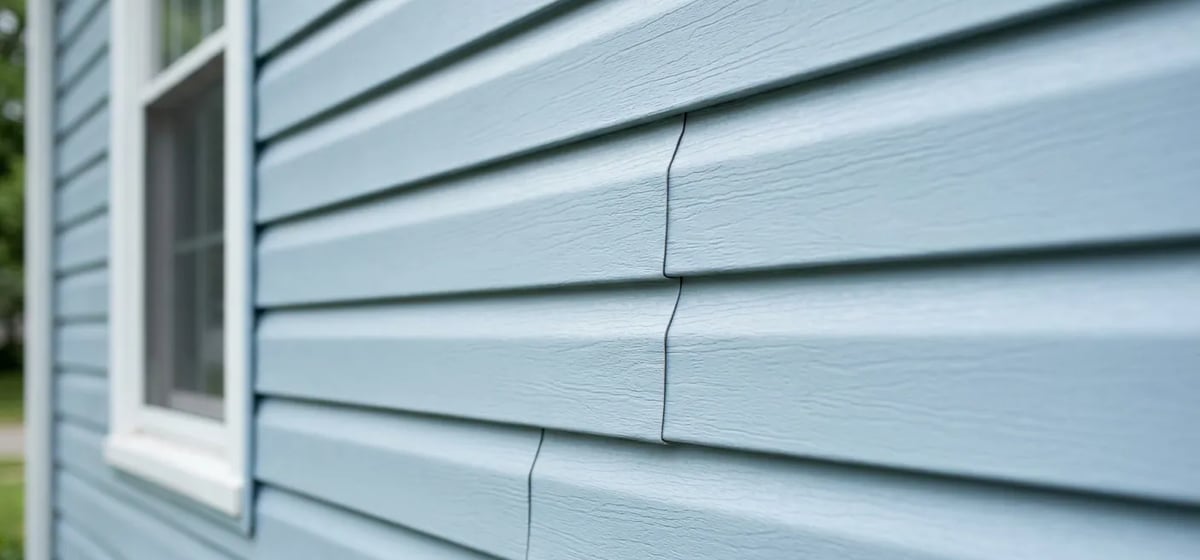
Vinyl siding is a lightweight plastic exterior covering for your house. It comes in long strips that interlock to shed rain and block the wind. Manufacturers developed this product in the 1950s as an alternative to aluminum siding. Vinyl is short for polyvinyl chloride. This is the tough plastic used to mold the panels. Installers nail it loosely to the exterior wall. This loose fit allows the plastic to expand and contract as temperatures change throughout the year. The strips overlap to create a waterproof barrier. It hides the insulation and structural wood underneath.
Why it matters to you
This material matters because it protects the wood frame of your house from the weather. It is also very easy to care for. You never need to scrape and paint it like you do with wood siding. The color goes all the way through the material. This means scratches do not show up easily. A simple wash with a garden hose and mild soap keeps it looking new. It comes in hundreds of colors and styles. Some panels look like traditional wood lap boards. Others mimic the look of rough cedar shakes. Many homeowners choose vinyl because it lasts for decades with very little effort. For a deeper dive into your home envelope, you can check out our guide on Exterior: Siding, Garage & Decks.
Insulated versus standard vinyl
You have two main choices when shopping for this product. Standard vinyl is hollow behind the plastic shell. It is the cheapest option and works perfectly well for most homes. Insulated vinyl has a layer of solid foam glued to the back of the panel. This foam makes the siding much stiffer. It resists hail damage better because the foam absorbs the impact. It also adds a small amount of insulation value to your walls. Insulated panels cost more up front. However, they can make your home quieter and slightly cheaper to heat.
Common costs and upkeep
Vinyl is one of the most affordable ways to cover a house. If you hire a pro to install it, expect to pay $4 to $8 per square foot. Prices change based on your location and the thickness of the panels. Keep in mind that ranges vary widely. A typical 2,000 square foot home might cost $8,000 to $16,000 to wrap in standard vinyl. If you need help finding someone to do the work, look at our guide on Hiring Contractors & What Things Cost.
The upkeep is mostly just cleaning. You should wash it once a year to remove dirt and green algae. A soft brush and soapy water work best. Avoid using high pressure washers. They can shoot water up behind the panels and cause mold in your walls.
What to watch for
Vinyl is tough, but it is not bulletproof. You need to watch out for a few common problems.
- Impact damage: Strong hail can sometimes crack it. A stray baseball or a rock thrown by a lawnmower will also punch holes in the plastic.
- Heat warping: Extreme heat can melt or warp the panels. Keep your barbecue grill at least 10 feet away from the house.
- Loose pieces: High winds can pull panels loose. The interlocking lips can snap out of place.
- Trapped moisture: The siding is designed to let water drain out the bottom.
If you see a loose panel, you can usually snap it back into place. Hardware stores sell an inexpensive zip tool that helps you hook the panels back together. Also, pay attention to the areas around your windows and doors. Keep vines and bushes trimmed back. Plants rubbing against the house can scratch the finish and trap damp air against the walls. Make sure dirt and mulch from your Landscaping, Drainage & Outdoor projects do not block the bottom edge. Water needs a clear path to escape.