What is a vacuum breaker?
A vacuum breaker is a small but vital plumbing fitting that protects your home. It stops dirty water from flowing backward into your clean drinking water supply. The name comes from the Latin word vacuus, meaning empty, combined with breaker because the device literally breaks the suction effect inside your pipes. Plumbers first started using these safety valves in the early 1900s to prevent serious disease outbreaks in cities. Today, modern building codes require them on almost all homes.
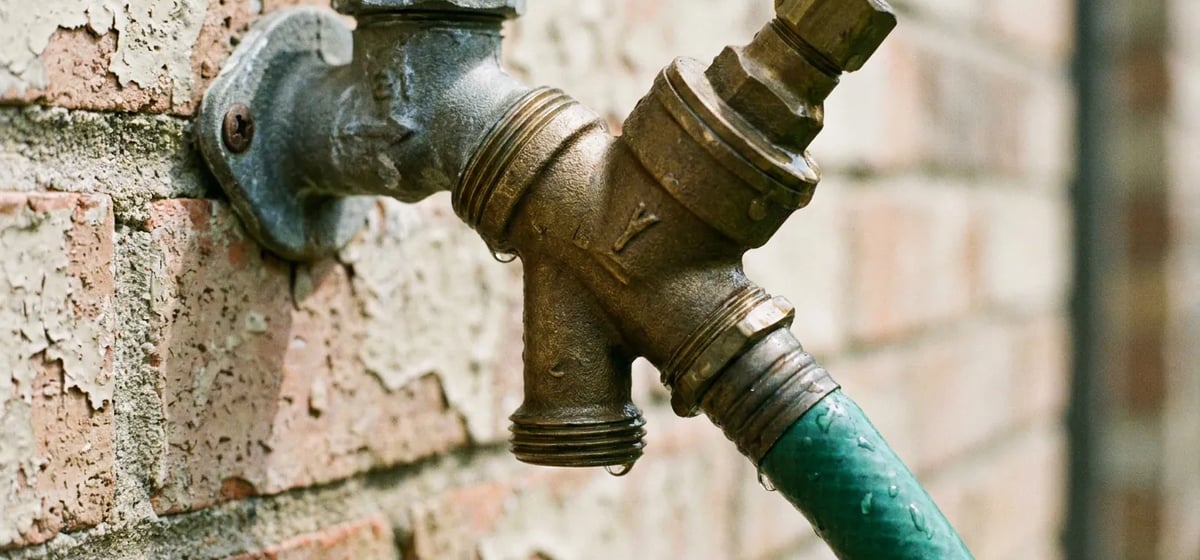
They act like a strict one-way street sign for your water. Clean water can flow out of your house, but dirty water cannot flow back in. You'll usually see them screwed directly onto your outdoor hose spigots. They are a core part of your basic Plumbing system that works quietly in the background to keep you safe.
How this valve protects your health
To understand why you need one, imagine you're washing your car on a sunny Saturday. You leave the end of the garden hose sitting in a bucket of dirty soapy water. Suddenly, a city water main breaks down the street, or a fire truck hooks up to a nearby hydrant. This causes the water pressure in your neighborhood to drop to zero instantly.
Without a vacuum breaker, that sudden drop in pressure creates a strong suction effect. It will suck the soapy water right out of your bucket, backward through the garden hose, and into your home drinking water pipes. A vacuum breaker stops this dangerous event from happening. It features a tiny internal air valve. When the water pressure drops, the valve pops open and lets air into the pipe. This air breaks the suction instantly and keeps your drinking water perfectly safe to consume.
Where you'll find them around your house
You'll spot these devices in a few common places around your property:
- Outdoor hose spigots, where they screw onto the threaded spout to protect against garden chemicals.
- Underground sprinkler systems, where larger versions keep mud and weed killer out of your pipes.
- Laundry room utility sinks, especially if a hose is attached to the faucet.
Many newer homes have them built right into the outdoor faucet assembly. Older homes might have a separate brass attachment screwed onto the end. You can usually recognize them by the ring of small holes around the middle. You can learn more about managing your yard setups in our Landscaping, Drainage & Outdoor guide.
Signs of trouble and repair costs
Vacuum breakers wear out over time. The small rubber washer or plastic disc inside can crack, warp, or get stiff from hard water minerals. When this happens, you'll notice water spraying out of the little holes on the valve every time you turn on the hose. A few drops are normal when you first turn the water off, but if it leaks constantly while the hose is running, it's time for a replacement.
Replacing a simple screw-on hose attachment is very cheap and easy. You can buy a new one at your local hardware store for 5 to 20 dollars. You just unscrew the old one and screw the new one on. Sometimes, the old one will have a tiny set screw that you need to loosen or drill out first.
However, replacing a large vacuum breaker on a lawn sprinkler system is a much bigger job. You'll usually need to hire a professional plumber or irrigation specialist. This job typically costs 150 to 400 dollars for parts and labor, though prices vary depending on where you live and how accessible the pipes are. If you're unsure whether you can tackle the job yourself, check out our DIY vs. Hiring a Pro guide to help you decide.