What is a Waste Line?
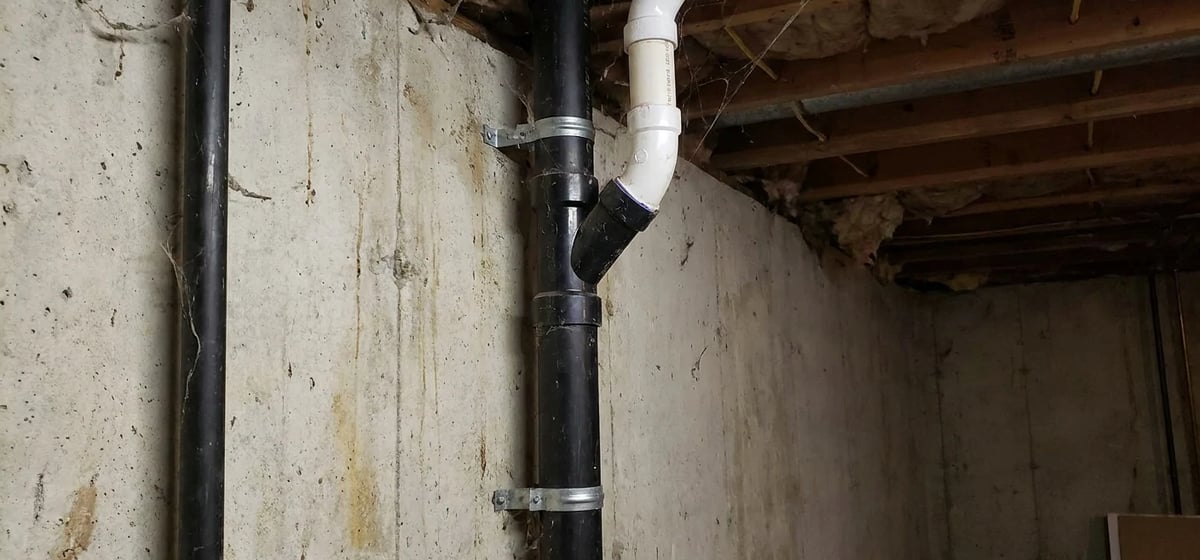
A waste line is the wide pipe that carries dirty water and solid waste away from your sinks, toilets, and showers. It uses gravity to pull the wastewater down into your main sewer pipe or septic tank. You'll usually find these hidden inside your walls or running under your floors. The word waste comes from the Latin word vastus, meaning empty or desolate. Plumbers began using the term waste line in the late 1800s when indoor plumbing and dedicated drain pipes became common in cities.
How Your Pipes Work
Every time you flush a toilet or drain a tub, the water travels through a waste line. These pipes connect to vent pipes that go up through your roof. The vents let air into the system so the water flows smoothly. Without air, the water would gurgle and drain slowly. Waste lines rely entirely on gravity. They slope downward slightly so water and solids keep moving. If the slope is too flat, the waste stops moving and causes a clog. If the slope is too steep, the water runs too fast and leaves the solid waste behind. Learning about your Plumbing system helps you understand why that slope matters so much.
What Your Pipes Are Made Of
The material of your waste lines depends on when your house was built. Older homes often have cast iron or clay pipes. Cast iron is very strong, but it rusts from the inside out over decades. Clay pipes crack easily and attract tree roots. If your home was built after the 1970s, you probably have plastic pipes. Plumbers use white PVC or black ABS plastic for most modern waste lines. Plastic is cheap, lightweight, and it won't rust. It also has smooth inside walls, which helps prevent clogs. If you buy an older home, an inspector will usually run a camera down the main line. This tells you if the old pipes are still in good shape or if you need to replace them soon.
Common Problems to Watch For
Over time, waste lines can get clogged or break. Grease, hair, and flushable wipes are the biggest enemies of your pipes. These items snag on the pipe walls and build up until nothing can pass through. Tree roots also cause major trouble. Roots search for water and can squeeze into tiny cracks in underground waste lines. Once inside, they grow thick and block the flow. You might notice slow drains all over the house. You might also hear a gurgling sound when you flush a toilet. If you smell sewage inside your house, you'll need to act quickly. Check our guide on Smells & Odors to figure out if you have a broken seal or a cracked pipe.
Repair Costs and Hiring a Pro
Fixing a waste line can be a small job or a huge project. Simple clogs usually cost 150 to 300 dollars for a plumber to snake the drain. If tree roots block your main line underground, you might pay 300 to 600 dollars to clear it out. Replacing a broken waste line gets expensive. If a plumber has to dig up your yard or break through a concrete floor, expect to pay 1,500 to 5,000 dollars. Keep in mind that prices vary depending on where you live and how hard it is to reach the pipe. You can review What Home Repairs Cost to see more estimates for big projects. Always get multiple quotes before you agree to a major repair.