What Is a Waste Arm?
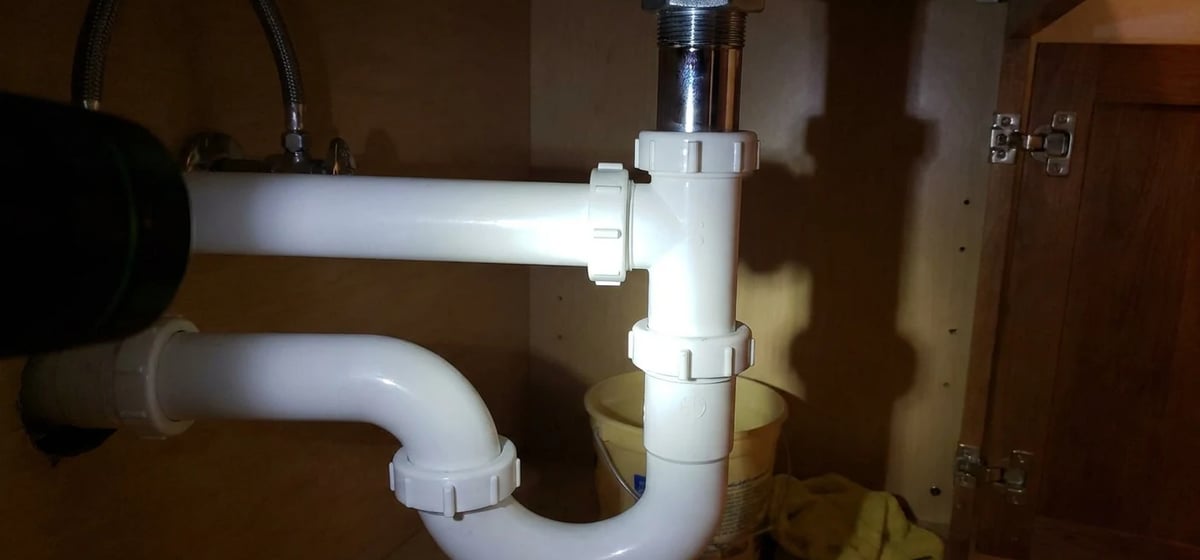
Look under your kitchen or bathroom sink. You will see a pipe coming straight down from the drain. That short pipe is the waste arm. It connects the bottom of your sink basin to the curved pipe below it. That curved pipe is called the P-trap.
The waste arm has one simple job. It carries dirty water away from your sink and points it toward your main plumbing pipes. Builders usually make this part out of white plastic or chrome plated metal. Plastic is very common in modern homes because it is cheap and easy to cut. Older homes might have brass or copper parts.
Why It Matters to You
You might not think about the pipes under your sink until something goes wrong. But the waste arm plays a big role in keeping your home clean and dry. It handles a lot of water every single day. Every time you wash your hands or rinse dishes, that water travels through this pipe.
A good waste arm also helps your P-trap work correctly. The trap holds a small amount of water to block sewer gases from coming back up the drain. If your waste arm has a crack or a bad seal, water leaks out before it even reaches the trap. A dry trap can lead to terrible smells in your bathroom or kitchen. If you ever notice a gross sewer smell near a sink, you might want to check out our guide on Smells & Odors to see if a leaking pipe is the cause.
Common Problems to Watch For
Waste arms take a lot of abuse. They handle hot water, soap, food scraps, and harsh cleaners. Over time, things can go wrong. Here are a few common issues you might see.
- Loose slip nuts: The waste arm connects to the trap with a threaded ring called a slip nut. These nuts can vibrate loose over time and cause a slow drip.
- Cracked plastic: Plastic pipes get brittle as they age. If you bump the pipe hard while reaching for a cleaning bottle under the sink, the plastic can crack.
- Corroded metal: Chrome plated brass looks nice, but it can rust and rot from the inside out. If you see green or white crust on a metal waste arm, it is time to replace it.
- Bad washers: A small rubber or plastic washer sits inside the connection joints. These washers wear out and cause annoying leaks.
Repair Costs and Fixing It
Replacing a waste arm is one of the easiest home repairs you can do. You can find a replacement kit at any hardware store. The parts usually cost between $5 and $20. You just need a bucket to catch the old water and your hands to unscrew the plastic nuts. If you decide to do it yourself, read up on DIY vs. Hiring a Pro to make sure you feel comfortable.
If you do not want to mess with pipes, you can always hire a professional. Plumbers deal with sink drains every single day. A plumber will normally charge you for a basic service call to fix this issue. You can expect to pay between $100 and $250 for the labor and the cheap parts. Keep in mind that local prices and ranges vary depending on where you live. For more details on how your pipes work together, you can read our main Plumbing guide.
How to Maintain Your Waste Arm
You can help your sink pipes last longer with a few simple habits. First, avoid pouring harsh liquid drain cleaners down your sink. These strong chemicals can eat away at the plastic or metal over time. They also ruin the small rubber washers that keep the joints watertight. Instead, use a plastic hair snake to pull out clogs.
Second, be careful about what you store under your sink. Many homeowners cram heavy bottles, buckets, and trash cans into their cabinets. If you slam a heavy bottle into the waste arm, you can knock the pipe out of alignment. A crooked pipe will almost always start leaking at the slip nut. Leave a few inches of empty space around the pipes so they stay safe and dry.