What a Water Softener Is
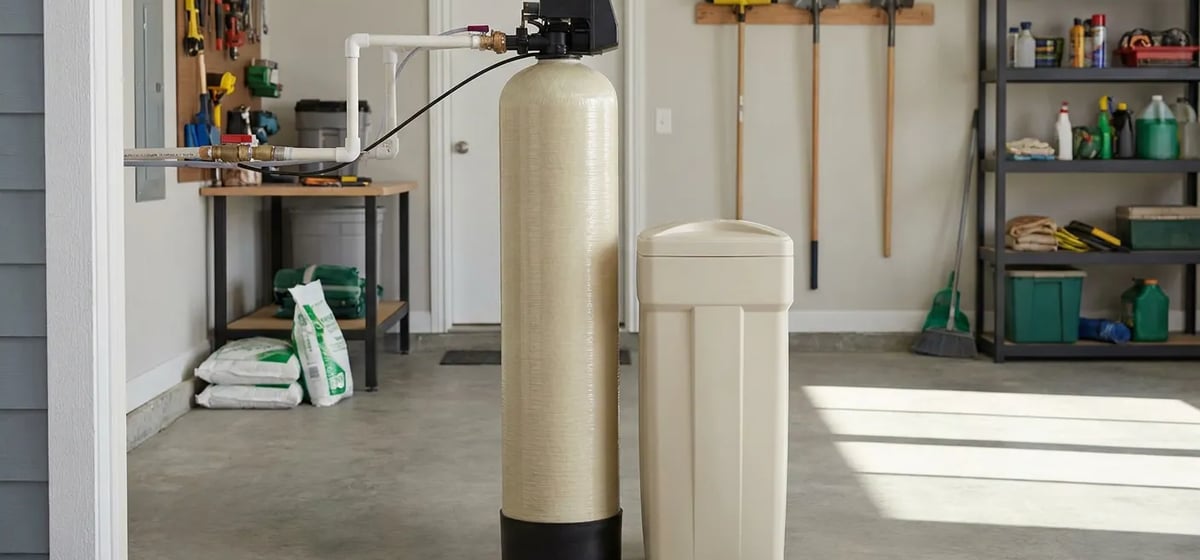
A water softener is a special appliance that removes hard minerals from your household water. It targets calcium and magnesium. These minerals make water hard. The concept of softening water dates back to the early 1900s. Chemists discovered how certain minerals swap ions. The first residential softeners appeared in US homes during the 1950s. Today, these systems sit near where water enters your house. They use a tank filled with tiny resin beads. As water flows through the tank, the beads catch the hard minerals. The system replaces them with a tiny amount of sodium or potassium. This process is called ion exchange. It leaves your water soft before it travels to your sinks and showers.
Why Soft Water Matters
Hard water causes a lot of hidden damage. The minerals build up inside your Plumbing over time. This buildup is called scale. Scale clogs pipes and lowers water pressure. It also forces your water heater to work much harder. A water softener stops this scale from forming.
You will also notice a big difference in your daily chores. Hard water reacts poorly with soap. It creates a sticky soap scum on your glass shower doors and tubs. Soft water lathers easily. You will use less soap and shampoo. Your clothes will come out of the wash feeling softer. Your dishes will not have cloudy water spots. Most importantly, soft water protects your major Appliances. Washing machines and dishwashers last much longer when they do not have to fight hard mineral deposits.
What to Watch For
A water softener is not a set it and forget it machine. You have to maintain it. The system has a second tank called a brine tank. You must keep this tank full of special softener salt. The machine uses this salty water to clean the resin beads on a regular schedule. This cleaning process is called regeneration.
Here are a few things to keep in mind if you own one:
- Check the salt level once a month. Add more salt bags when the tank is half empty.
- Look for salt bridges. Sometimes the salt forms a hard crust at the top while the bottom is empty. Break it up with a broom handle.
- The resin beads wear out over time. You usually need to replace them every 10 to 15 years.
- Some cities restrict salt based water softeners. Check your local rules before you buy one.
Typical Costs to Install
Buying and installing a new water softener is a common home project. Prices depend on the size of your house and the hardness of your water. Keep in mind that ranges vary based on where you live.
A standard ion exchange water softener unit costs 500 to 1500 dollars at a hardware store. You will also need to pay a plumber to install it. Professional installation usually adds 300 to 800 dollars to the total bill. If your home is not pre plumbed for a softener, the plumber will have to cut into your main water line. This extra pipe work can push the installation cost over 1000 dollars. You can read more about setting a budget in our guide on Hiring Contractors & What Things Cost.
You also have ongoing costs. A 40 pound bag of softener salt costs 6 to 10 dollars. An average family uses one or two bags every month. You will spend about 100 to 200 dollars a year just on salt.