The Basics of Home Pest Control
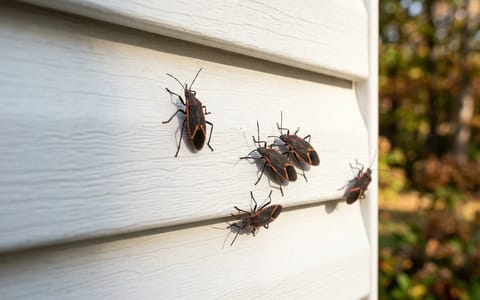
Bugs and rodents want three things. They want food, water, and shelter. Your house has all three. The secret to good pest control is blocking their access. You can stop most problems before they start by sealing gaps and fixing leaks. Sometimes pests still get inside. When that happens, you need to know exactly what you are dealing with.
How to Get Rid of Ants in the House
Getting rid of ants in the house comes down to two jobs: cut off what is drawing them in, and wipe out the nest you cannot see. Spraying the visible trail feels satisfying, but it only kills foragers. The colony keeps sending more. The real fix is bait that workers carry home, plus tight housekeeping so scouts stop finding rewards. Most kitchen and bathroom ant problems clear in one to two weeks this way.
Start by identifying what kind of ant you have, because the cure differs. Tiny ants marching to a sugar spill are usually odorous house ants or pavement ants, and sweet liquid baits work great. Large black ants near windows or soft wood may be carpenter ants, which do not eat your food at all. They tunnel into damp wood to nest, so carpenter ant control means finding and drying the moisture source, then using a protein-and-sugar bait or having a pro treat the galleries.
- Wipe every counter, sink, and floor with soapy water or a vinegar-water mix to erase the existing scent trails.
- Seal food in hard containers and take the trash out nightly. Even a sticky soda ring keeps scouts coming back.
- Set liquid bait stations directly on the trail, not where you wish the ants were. Place two or three near entry points.
- Stop spraying and stop wiping the trail near the bait for a week so workers can ferry poison to the queen.
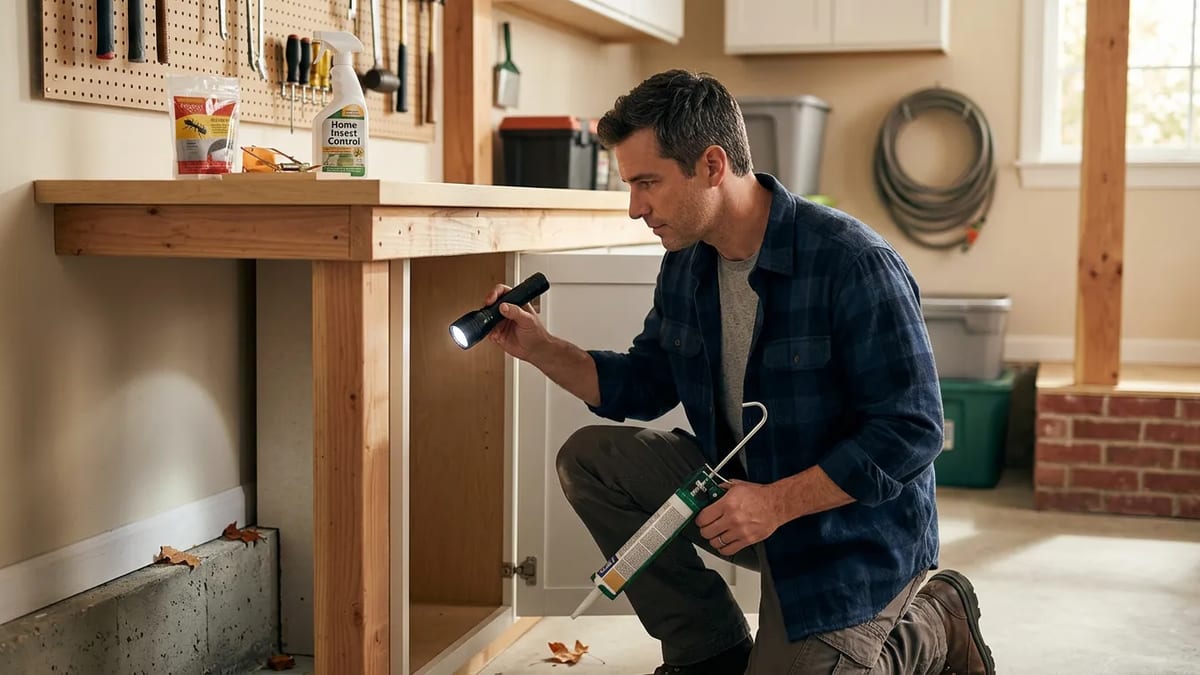
- Find the entry point along baseboards, window frames, or pipe penetrations and seal it with caulk once activity drops.
| Ant Type | Telltale Sign | Best Fix |
|---|---|---|
| Odorous house / pavement ants | Trails to sugar or grease | Sweet liquid bait + clean surfaces |
| Carpenter ants | Large black ants, sawdust piles near wood | Dry the wood, protein-sugar bait, call a pro if structural |
| Fire ants (outdoors) | Dome-shaped dirt mounds | Granular mound bait, avoid disturbing the mound |
Ants: Tiny Invaders with Big Networks
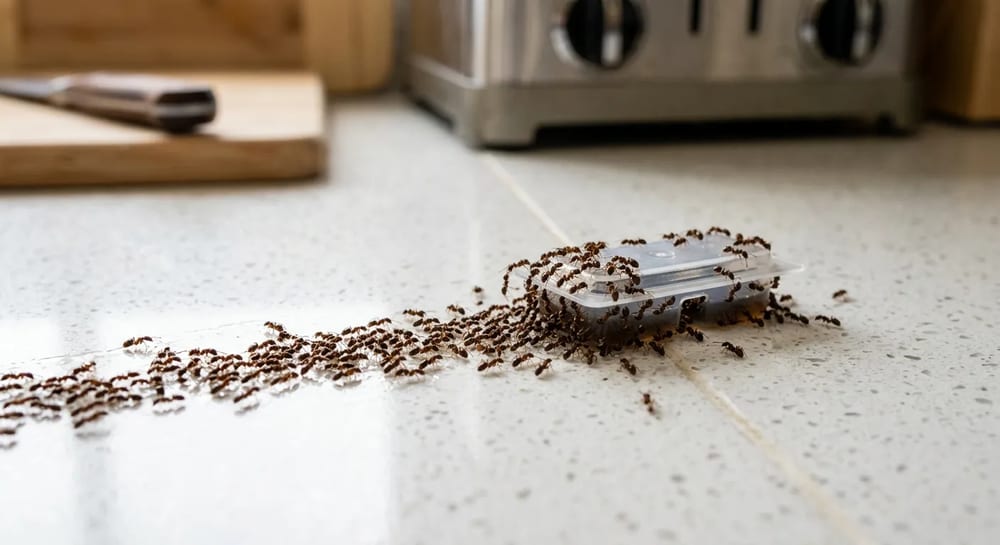
Ants send scouts to find food. If a scout finds a crumb on your floor, it leaves a scent trail for the rest of the colony. To stop ants, you have to break that trail. Wipe down counters with soapy water. Keep dry goods in sealed containers.
For small invasions, liquid ant baits work well. The ants carry the poison back to the nest and share it with the queen. Do not spray trailing ants with bug spray. If you kill the workers, the colony just sends more.
How to Get Rid of Mice Fast
The best way to get rid of mice is a three-part attack: trap the mice already inside, seal the holes letting more in, and remove the food and clutter keeping them comfortable. Skip any one step and the problem comes right back. People often buy a few traps, catch two mice, and assume they are done. A single female can have dozens of pups a year, so trapping alone never wins. You have to close the door behind them.
Snap traps remain the fastest, cheapest, and most humane way to exterminate mice in the house. They beat poison for an indoor problem, because a poisoned mouse usually dies inside a wall and stinks for weeks. Skip ultrasonic plug-ins entirely; mice adjust to the sound within days.
- Set six to twelve snap traps, far more than you think you need. Mice are cautious, so flooding the area catches them before they grow wary.
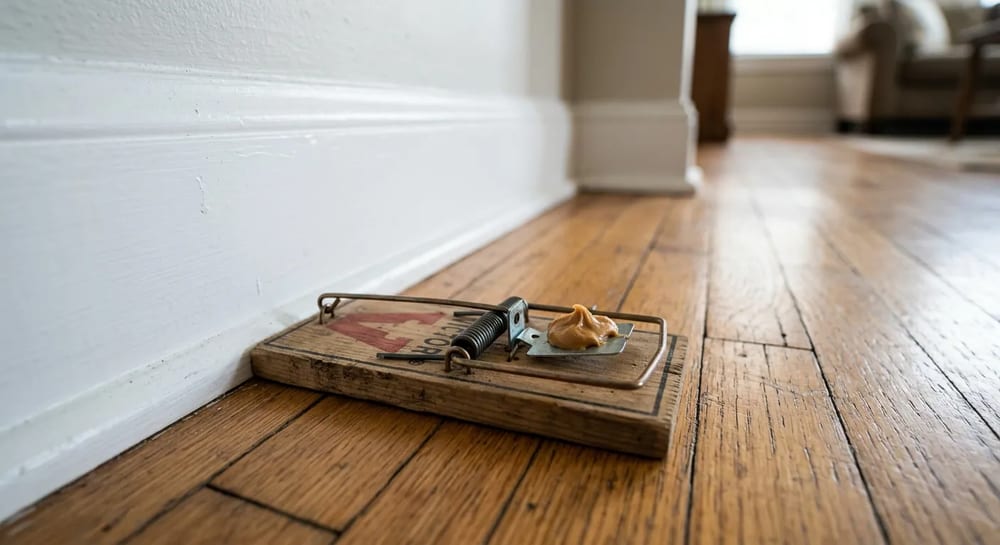
- Bait with a pea-sized dab of peanut butter, not cheese. Press traps flush against walls where droppings or grease smears show the runways.
- Check and reset traps every morning for a week until you go two or three nights with no catch.
- Hunt down entry points: gaps around pipes, dryer vents, and the garage door sweep. Mice fit through a hole the size of a dime.
- Stuff holes with copper mesh or steel wool packed tight, then seal over it with caulk or expanding foam so they cannot chew through.
- Store pantry food in sealed bins, clean up pet food at night, and clear cardboard clutter that gives them nesting material.
| Method | Best For | Watch Out |
|---|---|---|
| Snap traps | Active indoor infestation | Place against walls; refresh bait every few days |
| Sealing entry points | Long-term prevention | Use metal, not foam alone; mice chew foam |
| Live catch-and-release | One stray mouse, humane preference | Release far away or it returns the same night |
| Bait poison | Outdoor sheds, detached garages only | Avoid indoors; risk to pets, kids, and wall odor |
Mice and Rats: Stopping Rodents at the Door
Mice can squeeze through a hole the size of a dime. Rats need a hole the size of a quarter. Walk around your house and look for gaps. Check where pipes enter the house. Seal small holes with steel wool and caulk. Check your exterior siding for loose boards or cracks.
If rodents get inside, snap traps are your best bet. Place them along walls where mice run. Peanut butter makes great bait. Avoid using poison inside your house. A poisoned mouse might die inside your walls. This creates a terrible smell that lasts for weeks.
Termites: The Silent Wood Destroyers
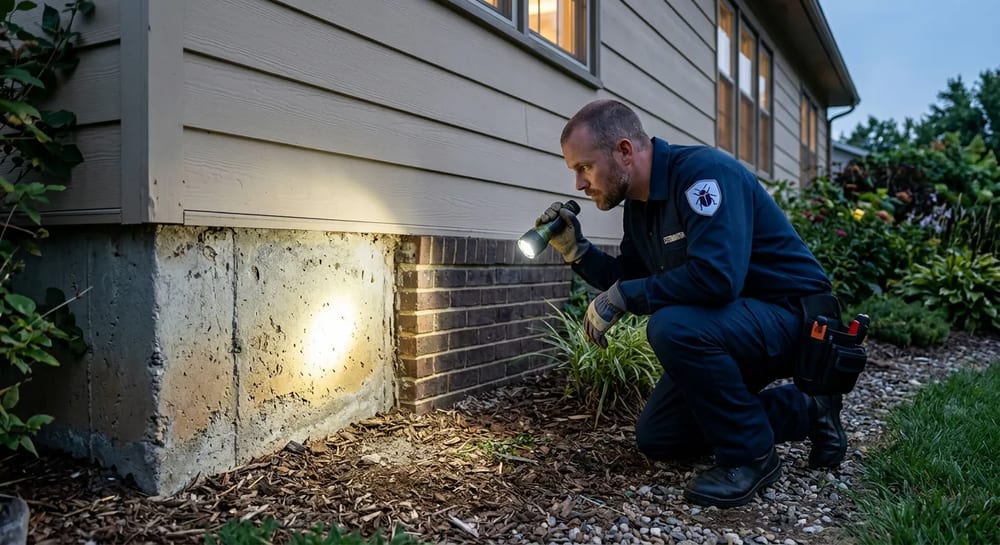
Termites cause billions of dollars in damage every year. They eat wood from the inside out. You might not see them until the damage is done. Look for mud tubes on your foundation walls. These tubes look like thick brown veins. Also look for discarded wings near windows or doors.
If you suspect termites, do not try to fix it yourself. You need a professional. A pro will trench around your house and apply a liquid termiticide. They might also install bait stations in the ground. Inspect your foundation and structure every year to catch signs early.
Wasps and Hornets: Stinging Threats
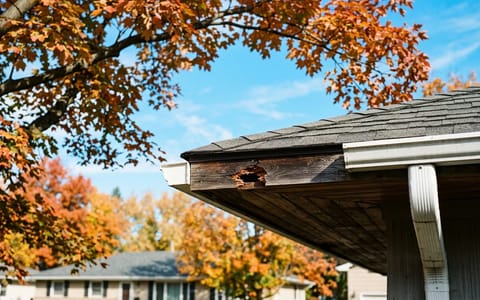
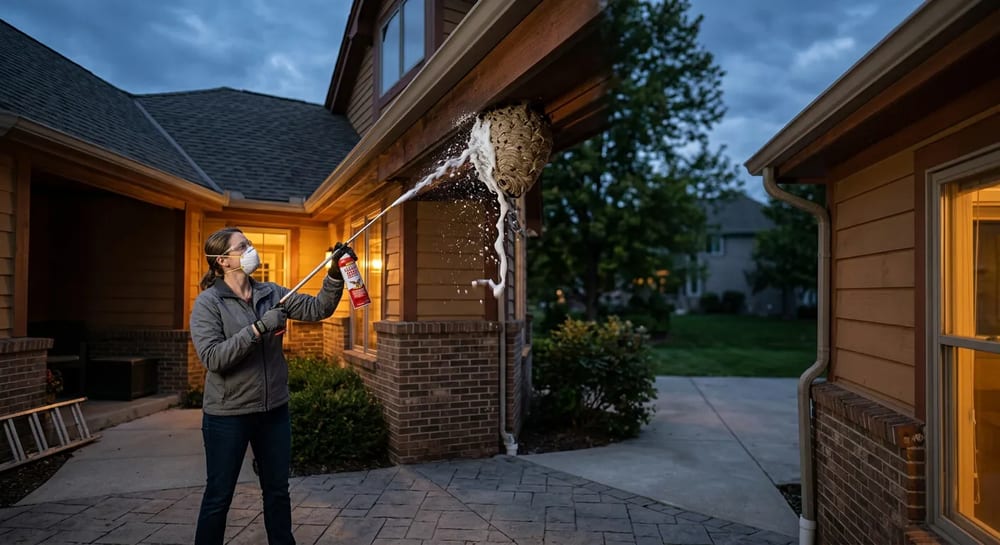
Wasps build paper nests under eaves, behind shutters, and inside gutters. Yellow jackets often build nests in the ground. If you find a small paper wasp nest early in the summer, you can spray it yourself. Buy a foaming wasp spray that shoots 15 to 20 feet. Always spray at night when the wasps are resting inside the nest.
How Much Does Pest Control Cost?
Pest control pricing depends on the pest, the size of your home, and whether you sign up for ongoing service or pay for a one-time visit. A single treatment for ants or spiders usually runs $150 to $300. A recurring quarterly plan often costs $40 to $70 per visit, which works out cheaper per treatment than calling for emergencies. Bigger jobs like termites or a full rodent exclusion cost far more. All of these ranges vary by region, home size, and the age of your house, so treat them as a starting point, not a quote.
Doing it yourself is dramatically cheaper for routine pests. A handful of ant baits, mouse traps, and a tube of caulk runs $30 to $60 and handles most small problems. The line where a pro pays for itself is when the pest is structural, dangerous, or simply will not quit after a month of honest effort.
| Service | DIY Cost | Pro Cost |
|---|---|---|
| General bug spray (ants, spiders) | $15 to $40 | $150 to $300 per visit |
| Recurring quarterly plan | n/a | $40 to $70 per visit |
| Mouse problem | $30 to $60 in traps | $250 to $600 with sealing |
| Do-it-yourself termite treatment | $50 to $150 in bait or foam | $1,000 to $3,000 full barrier |
A do-it-yourself treatment for termites can knock back a small, contained problem using ground bait stakes or a borate foam in accessible wood. But termites hide most of their damage, and a missed colony keeps eating. For an active infestation or any sign of structural wood loss, the cost of a pro is small next to the cost of repairs. Read up on what to expect before you sign anything in our guide to contractors and costs.
Average Costs for Pest Control Services
Pest control costs depend on the type of bug and the size of your house. A single visit to spray for spiders or ants usually runs $150 to $300. Termite treatments cost much more. Prices vary by region, home size, and the age of your house.
| Pest Type | Treatment Method | Estimated Cost |
|---|---|---|
| Ants | Baiting and perimeter spray | $150 to $300 |
| Mice | Inspection, trapping, and sealing holes | $250 to $500 |
| Wasps | Nest removal and exterior spray | $150 to $400 |
| Termites | Liquid barrier and bait stations | $1,000 to $3,000 |
If you have a mouse problem, fixing it yourself is cheap. Hiring a pro to do a full exclusion seal on your home costs a lot more but solves the problem for good.
Prevention Tips to Keep Bugs Out
The best pest control is keeping them out in the first place. Follow these simple steps to protect your home.
- Keep mulch and soil at least 6 inches below your siding.
- Trim tree branches so they do not touch your roof. This stops ants and roof rats. Read more about trimming in our landscaping guide.
- Fix leaky outdoor faucets. Bugs need water to survive.
- Store firewood at least 20 feet away from the house.
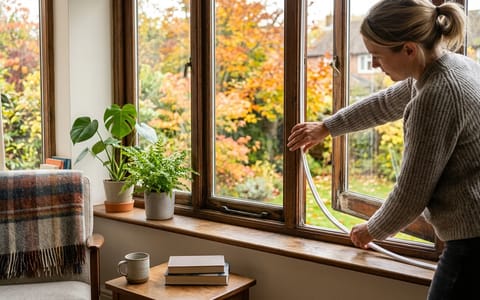
- Put weather stripping on all exterior doors.
When to Call a Pro vs Doing It Yourself
You can handle a few ants or a stray mouse on your own. Buy traps, clean your kitchen, and seal up holes. But some pests are too risky or too stubborn. Call an exterminator if you see signs of termites, bed bugs, or a massive rat problem. You should also hire a pro if you have tried DIY methods for a month with no luck. If you need help finding a good company, check our guide on hiring contractors.
How to Get Rid of Cockroaches
Cockroaches are stubborn because they hide, breed fast, and shrug off most over-the-counter sprays. A can of bug spray kills the few roaches you can see, but the colony lives in cracks you cannot reach. Worse, repellent sprays scatter them into new rooms. The reliable fix is gel bait combined with cleaning and moisture control. Done together, these knock back a kitchen roach problem in two to four weeks.
Gel bait works because a roach eats it, returns to the nest, and the poison spreads through droppings and contact. Place small pea-sized dabs where roaches travel: behind the fridge, under the sink, inside cabinet corners, and near the dishwasher. Reapply every couple of weeks until the dabs stop disappearing.
- Cut the food: Wipe grease off the stove, sweep crumbs nightly, and store food in sealed containers.
- Cut the water: Fix dripping faucets and dry the sink before bed. Roaches survive longer without food than without water.
- Seal the hideouts: Caulk cracks behind counters and along baseboards so they have fewer places to nest.
How to Spot and Treat Bed Bugs
Bed bugs are one of the few pests where a fast call to a professional usually beats doing it yourself. They are tiny, flat, reddish-brown insects that hide in mattress seams, headboards, and baseboards near where people sleep. They feed at night and are easy to carry home from a hotel, a used couch, or a moving truck.
Watch for small itchy bites in a line or cluster, tiny dark spots on sheets from droppings, or shed skins along the mattress seam. A few do-it-yourself steps slow them down: wash and hot-dry all bedding, vacuum the mattress and frame, and seal the mattress in an encasement cover.
Seasonal Pest Pressure Around the House
Pests follow the weather. Knowing what to expect each season lets you seal gaps and bait before an invasion starts, not after. The pressure shifts as temperatures change across the US and Canada.
- Spring: Ants and wasps wake up and scout for nesting sites. Knock down young wasp nests early and refresh exterior bait.
- Summer: Peak activity for ants, wasps, and flies. Keep doors sealed and check the exterior for new gaps.
- Fall: Mice, rats, and spiders push indoors as nights cool. This is the most important time to seal entry points.
- Winter: Rodents already inside stay active in warm wall cavities. Keep traps set and watch for fresh droppings.
Yard upkeep cuts pressure in every season. Trim back branches, clear leaf piles, and keep mulch low, all covered in our landscaping guide.