
The Basics of Water Chemistry
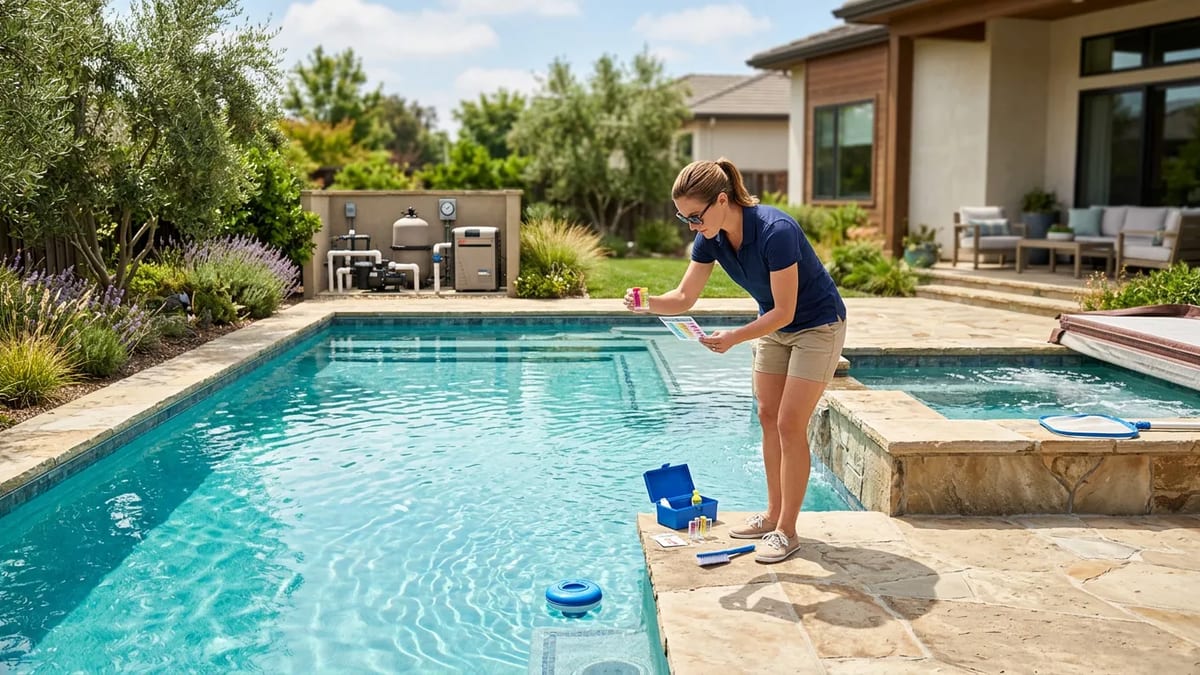
Keeping your water clear is mostly about balance. You need to test your water every week. The three main things you check are pH, alkalinity, and sanitizer.
Sanitizer kills bugs and bacteria. Chlorine is common for pools. Bromine is popular for hot tubs because it stays stable in hot water. You need a steady level of sanitizer at all times.
Your pH measures how acidic the water is. You want it between 7.2 and 7.8. If it drops too low, the acidic water eats your pipes and ruins your heater. If it gets too high, your chlorine stops working and white scale builds up on the walls.
Alkalinity acts as a buffer for your pH. It keeps the pH from bouncing up and down. Try to keep it between 80 and 120 parts per million.
Pumps and Filters
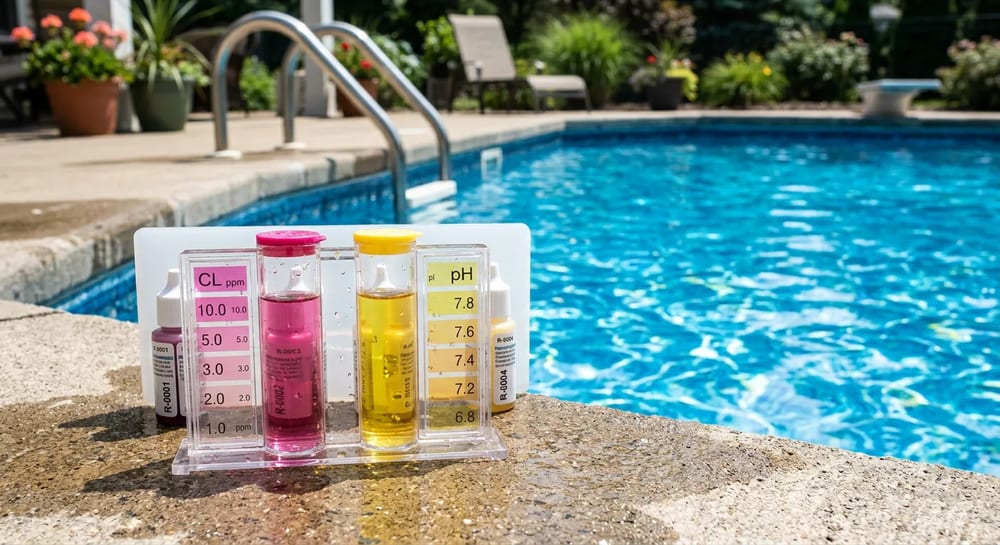
Your pool or hot tub is just a big bowl of water without the equipment pad. The pump pulls water from the pool and pushes it through the filter and heater.
Most pumps last 8 to 12 years. If your pump starts screaming or humming loudly, the bearings are probably shot. You can replace just the motor, or you can upgrade to a variable speed pump. Variable speed pumps cost more up front, but they save a lot of electricity.
Filters trap the dirt. You will see three main types in backyards:
- Sand filters: These use special sand to catch debris. They are very easy to use. You clean them by running the water backward, which is called backwashing.
- Cartridge filters: These use large pleated paper tubes. They catch finer dirt than sand. You clean them by taking them out and spraying them with a hose.
- Diatomaceous earth filters: These use a fine white powder and clean the water best. They take the most work to maintain.
If you have a gas heater or a heat pump, it works a lot like your home heating system. You can read more about standard heating systems in our HVAC & Climate Control guide.
What Ownership Really Costs
Owning a pool or hot tub is not cheap. You have to pay for chemicals, electricity, water, and occasional repairs. A typical backyard pool costs $1,500 to $3,000 a year to run. A hot tub costs $500 to $1,000 a year. Keep in mind that these ranges vary by region, scope, and home age.
Here is a breakdown of average annual costs for a standard swimming pool in a mild climate:
If you hire a pool service to clean and balance the water every week, expect to pay $100 to $250 a month on top of your utility bills. You can learn more about finding good help in our Hiring Contractors & What Things Cost section.
Keeping the Water Clean
Chemicals only do half the job. You have to physically remove dirt and leaves.
Skim the surface with a net every few days. Empty the skimmer baskets often. If a basket gets packed with leaves, it blocks water flow to the pump. A starved pump will overheat and break.
Brush the walls and steps once a week. Algae loves to cling to slick surfaces. Brushing knocks it loose so the filter can catch it. Vacuum the bottom to pick up heavy dirt. You can buy a robotic cleaner for $500 to $1,200. They save a lot of time and scrub the walls for you.
Hot Tub Differences
A hot tub is not just a tiny pool. The water is hot. That heat makes chemicals break down much faster. Bacteria also grow faster in warm water.
Because the water volume is small, a few sweaty people can completely throw off the chemical balance. You have to check hot tub water more often than pool water. You also need to drain and refill a hot tub completely every 3 to 4 months. The water absorbs so much dissolved stuff over time that the chemicals just stop working.
Hot tubs use large electric heating elements. If yours trips the breaker, you might have a bad element or a wiring issue. For safety, always leave complex wiring to a pro. Check out our Electrical guide to understand your home panel.
Safety Fences and Covers
Water is dangerous. You must secure your pool area to keep kids and pets safe.
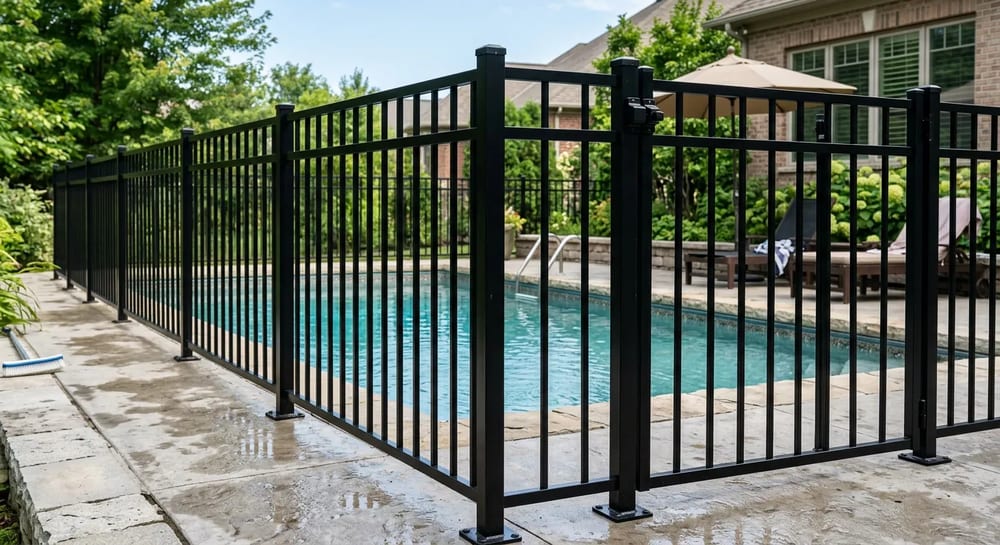
Most cities require a fence around the pool. The fence should be at least 4 feet tall with a self-closing and self-latching gate. Safety covers are great for the winter months. A good mesh safety cover costs $1,000 to $3,000. It anchors into the concrete deck and can hold the weight of a person.
Having a pool also affects your homeowner policy. Your agent will want to know about diving boards and slides. Read our Home Insurance guide to see how these features impact your rates.
Repair vs. Replace
Parts wear out. Knowing when to fix a part and when to buy a new one saves you money. If your pump motor dies, you can sometimes just replace the motor for $200 to $400. But if the plastic housing is cracked, you need a whole new pump.
Here is what you can expect to pay when big parts fail. Keep in mind these replacement ranges vary by region, scope, and home age.
| Component | Average Lifespan | Replacement Cost |
|---|---|---|
| Pool Pump | 8 to 12 years | $800 to $1,500 |
| Sand Filter | 10 to 15 years | $500 to $1,200 |
| Gas Heater | 7 to 10 years | $2,000 to $4,000 |
| Vinyl Liner | 10 to 15 years | $3,000 to $6,000 |
Target Water Levels
Once you know what to test, you need to know your numbers. Test pool water two to three times a week in swim season. Each reading tells you how to dose. Free chlorine is the part of your sanitizer still able to kill germs. Cyanuric acid is a stabilizer that shields chlorine from sunlight, but too much of it weakens the chlorine you already have.
Here are the standard target ranges for a chlorine pool. Bromine spas run on a different sanitizer scale, so check the label on your product.
| Level | Target Range | Why It Matters |
|---|---|---|
| Free Chlorine | 1 to 3 ppm | Active germ killer |
| pH | 7.2 to 7.8 | Comfort and chlorine strength |
| Total Alkalinity | 80 to 120 ppm | Buffers the pH |
| Cyanuric Acid | 30 to 50 ppm | Protects chlorine from sun |
Opening and Closing Your Pool
In cold climates, a pool gets put to sleep for winter and woken up in spring. Frozen water expands and can crack pipes, so closing is about getting water out of the lines. Opening is about getting the water clean and balanced again.
To open your pool in spring:
- Remove the cover, drain off the standing water, then clean and dry it before storage.
- Reconnect the pump, filter, and any drain plugs you pulled in the fall.
- Top off the water to the middle of the skimmer.
- Run the pump, then test and balance the water before anyone swims.
To close your pool in fall:
- Balance the water and add a shock dose a few days ahead.
- Lower the water below the skimmer and return lines.
- Blow the water out of the plumbing lines and add pool antifreeze where the manual calls for it.
- Plug the lines, then fit a tight cover so leaves and animals stay out.
Blowing out the lines protects your buried plumbing. For more on how those pipes behave in a freeze, see our Plumbing guide.
Dealing With Algae
Algae turns clear water cloudy and green almost overnight. It feeds on sunlight and takes hold when the sanitizer runs low or the water sits still. Three colors show up most often. Green algae floats and clouds the water. Yellow or mustard algae clings to shady walls. Black algae digs roots into plaster and is the hardest to remove.
The fix follows the same order every time:
- Brush: Scrub the walls, steps, and floor to break the algae loose from the surface.
- Shock: Add a heavy dose of chlorine to kill what you just stirred up.
- Filter: Run the pump around the clock until the water clears, then clean the filter.
Prevention beats treatment. Hold a steady sanitizer level, run the pump long enough to turn the water over each day, and brush the walls weekly. Stagnant corners with poor circulation are where algae starts, so aim a return jet toward any dead spot.
Hot Tub Filter and Cover Care
Beyond water chemistry, a spa needs its filter and cover looked after. The filter works hard because the water turns over fast in a small tub. Rinse the cartridge with a hose every week or two to clear out oils, lotion, and hair. Once a month, soak it in a filter cleaner overnight to break down the greasy film a rinse leaves behind. Replace a cartridge once the pleats stay matted or torn, usually every year or two.
The cover is the part most owners forget. It traps heat, so a waterlogged or cracked cover sends your power bill up. Wipe the top clean and treat the vinyl a few times a year so it does not dry out and split. Lift the cover for an hour now and then to let the underside dry, which keeps mildew from growing. A heavy cover that sags in the middle has soaked up water and is ready to be replaced.