What is an equipment pad?
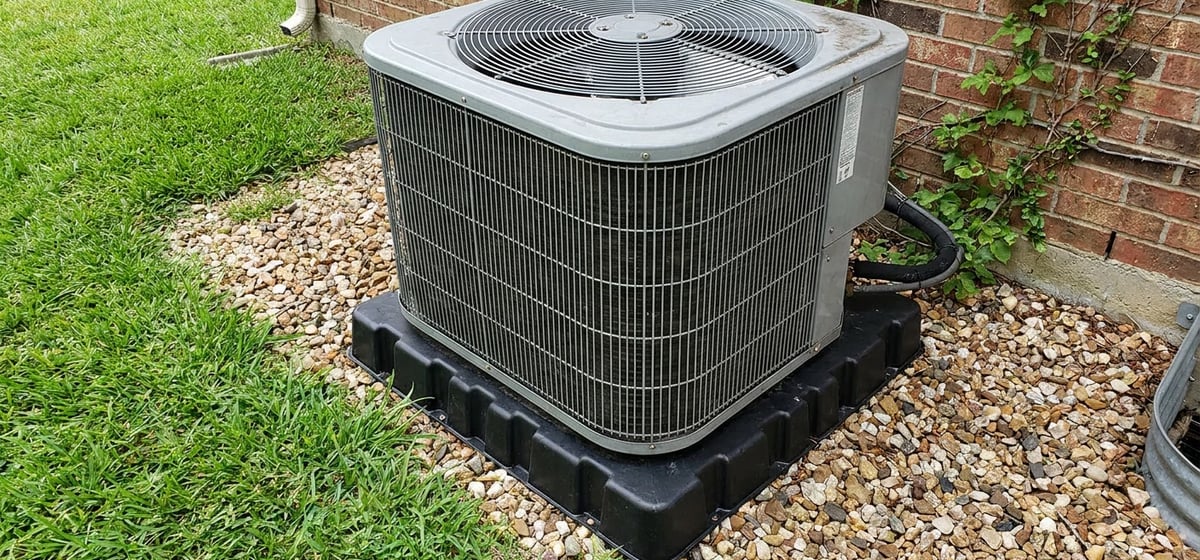
An equipment pad is a flat base that sits on the ground outside your house. It supports heavy machines like your air conditioning condenser or a backup generator. The word pad comes from a late 16th century English term for a soft cushion. Heating and cooling technicians started using precast concrete and thick plastic pads in the mid 20th century. They needed a simple way to protect outdoor mechanical units from ground moisture. Today, nearly every home with central air has one.
Why it matters to you
Your outside machines need a solid foundation to run well. An equipment pad keeps your heavy units level. If an air conditioner tilts, the oil inside the compressor can pool on one side. This causes the motor to burn out early. The pad also lifts the machine off the dirt. It protects your expensive equipment from sitting directly in mud, standing water, or rotting leaves. A good pad stops lawnmowers and weed whackers from accidentally hitting the delicate metal fins on your AC unit. If you plan to upgrade your HVAC & Climate Control system, the installer will always check the condition of your existing pad first.
Common materials and costs
Contractors use a few different materials to make equipment pads. The right choice depends on the weight of your machine and your local weather.
- Concrete: Poured concrete or precast concrete blocks are very heavy and durable. They are perfect for large generators and heavy heat pumps.
- Plastic or Composite: These lightweight pads are made from recycled plastics. They are easy for a single worker to carry and install. They won't crack in freezing weather.
- Rubber: Often made from recycled tires, rubber pads absorb vibration. This makes them a great choice if your AC unit sits near a bedroom window and you want to reduce noise.
If you need to replace a damaged pad, expect to pay between $150 to $400 for a new plastic or composite pad installed by a pro. Poured concrete pads cost more. A custom concrete slab for a large backup generator might run $500 to $900. Keep in mind that exact prices will vary based on your location and the size of the unit. You can learn more about general labor rates in our guide on Hiring Contractors & What Things Cost.
How they are installed
When a contractor installs a new equipment pad, they don't just throw it on the grass. They have to prepare the ground first. The worker will dig out a shallow square of topsoil where the machine will sit. They usually add a layer of gravel or crushed stone into this hole. The gravel helps water drain away from the site so the dirt doesn't turn into a mud pit after a rainstorm. Then, they place the pad on top of the gravel. They use a long bubble level to make sure the surface is perfectly flat. Finally, they carefully lower the heavy machine onto the center of the pad. If you live in an area with hurricanes or high winds, the installer might use special metal straps. These straps bolt the machine directly to a heavy concrete pad so it won't blow over in a bad storm.
What to watch for
Equipment pads don't last forever. Ground settles over time, and tree roots can push up from underneath. You should inspect your pad once a year. Look for these common problems.
- Sinking: If the ground gets too wet, the pad can sink into the mud. This puts tension on the copper and electrical lines attached to your house.
- Tilting: A slanted pad will damage the spinning parts inside your machine.
- Cracking: Concrete pads can crack and crumble after years of freezing and thawing.
- Burial: Mulch and dirt can build up around the edges over the years. The pad should sit at least two inches above the ground level.
Proper yard grading helps keep your pad in good shape. Read more about managing water around your home in our Landscaping, Drainage & Outdoor section.