Hurricane Insurance Adjuster: Claim Tips for Homeowners
Navigating a hurricane claim can be overwhelming. Learn how to prepare for the adjuster's visit, document storm damage, and maximize your repair payout.
Full guide Home Insurance Learn exactly what your home insurance covers, what it ignores, and how to decide if a claim is worth filing.The sky has finally cleared, the winds have died down, but the stress of a hurricane's aftermath is just beginning. When your home takes a beating from an early-fall storm, your financial recovery hinges on one specific visit: the inspection by a hurricane insurance adjuster. Knowing exactly how to handle this interaction can mean the difference between a fully funded repair and thousands of dollars out of your own pocket.
Dealing with severe property damage is exhausting. It is easy to feel rushed and anxious when a representative from the insurance company shows up with a clipboard and a camera. But you have rights, and you have a role to play in this process. Taking control of the situation early on ensures your home gets the repairs it needs.
What Does a Hurricane Insurance Adjuster Do?
An insurance adjuster is a licensed professional who investigates claims to determine the extent of the insurance company's liability. Their job is to inspect the damage, review your specific policy coverages, and write an estimate for the cost of repairs, which can sometimes involve hundreds of individual line items. After a major regional event like a hurricane, you will likely encounter one of three types of adjusters.
Staff Adjusters work directly as salaried employees for your insurance company. Independent Adjusters are independent contractors hired by the insurance company to handle the massive overflow of claims that happen after a hurricane. Both of these professionals represent the financial interests of the insurance carrier.
Finally, there are Public Adjusters. These are independent experts you hire directly to represent your interests. They do not work for the insurance company; they work for you, taking a percentage of the final payout as their fee.
Immediate Steps Before the Adjuster Arrives
The time between the storm passing and the adjuster arriving is critical. Your insurance policy includes a clause requiring you to "mitigate further loss." This means you are legally obligated to stop the damage from getting worse. If a tree branch breaks your window and you leave it open to the rain for three weeks, the insurance company can deny coverage for the resulting water damage.
Before you start hauling debris to the curb, follow these exact steps:
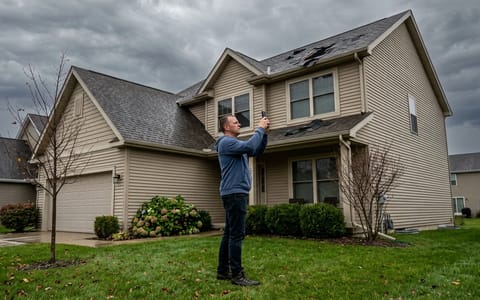
- Take hundreds of photos and videos. Document every angle of the damage, both inside and outside, before you touch or move a single item.
- Tarp damaged roofs. Use heavy-duty 10-mil polyethylene tarps secured with 1x2 wooden furring strips to keep rain out of exposed attic spaces.
- Board up broken windows. Cut 5/8-inch exterior-grade plywood to fit over shattered glass and secure it to the framing.
- Extract standing water. If rain blew into the house, use a wet/dry vacuum and set up fans to start drying the area immediately to prevent mold.
- Save the damaged parts. Do not throw away ruined carpets, broken electronics, or damaged furniture until the adjuster has physically seen them.
For extensive safety guidelines on clearing debris and returning to a damaged property, always cross-reference the official recovery protocols published by FEMA.
What to Expect During the Inspection Visit
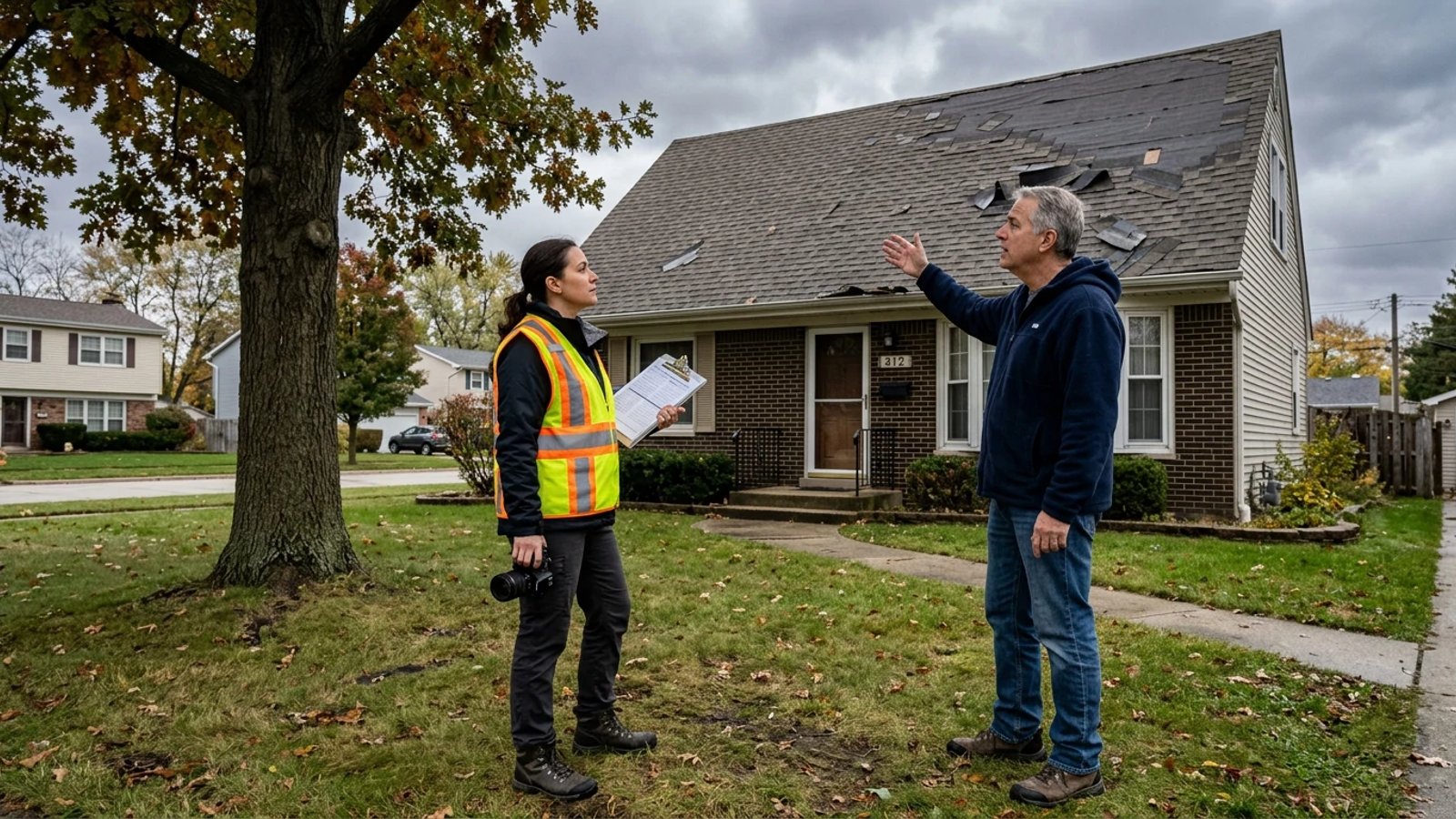
When the hurricane insurance adjuster arrives, the inspection usually takes between 45 minutes and two hours, depending on the square footage of your home and the severity of the damage. They will walk the exterior, climb onto the roof (if it is safe), and inspect every interior room you flag as damaged.
They use software—most commonly a program called Xactimate—to sketch your floor plan and calculate repair costs based on regional material and labor pricing. They will carry a digital camera, a tape measure, and often specialized tools like a Delmhorst moisture meter or a FLIR thermal imaging camera to detect hidden water behind drywall.
After a late-season storm tore off my fascia boards and damaged my roof a few years ago, I noticed the independent adjuster was rushing through the exterior walk-around. He was overwhelmed with 15 other houses to visit that day. I had to physically point out the water stains forming on the second-floor ceiling before he agreed to pull down the attic stairs and check the wet rafters. Do not assume they will find everything on their own.
Essential Tips: What to Say, Show, and Avoid
How you communicate during this visit matters. The adjuster is documenting your statements. A simple misunderstanding of terminology can cause a massive claim denial.
Do not guess the cause of the damage. Stick to the plain facts. If you say, "The house flooded," the adjuster might code the claim as flood damage. Standard homeowners insurance strictly excludes flood damage (rising ground water). If the water came through a hole in the roof or a blown-in window, describe it as "wind-driven rain." Let the evidence speak for itself.
Show them everything. Provide a printed list of damaged items. Point out the subtle things: the fence leaning at a 10-degree angle, the custom baseboards that soaked up water, the food that spoiled in the fridge during the five-day power outage, and the missing window screens.
Ask for their card and timeline. Before they leave, get their direct phone number and email address. Ask them exactly when you should expect to receive their initial estimate and the first advance check.
Should You Hire a Public Adjuster for Hurricane Damage?
Many homeowners assume they have to fight the insurance company alone. If your damage is minor—a few missing shingles and a broken fence—you can usually handle the claim yourself. But if a hurricane caused major structural issues, blew off the roof, or resulted in tens of thousands of dollars in water damage, bringing in a public adjuster is a smart move.
Public adjusters know the insurance code, they know how to write detailed Xactimate estimates, and they know how to negotiate. They typically charge between 10% and 20% of the total claim payout. While that sounds steep, a skilled public adjuster will often find enough missing line items in the insurance company's estimate to more than cover their own fee.
Next Steps if Your Claim is Delayed or Underpaid
It is incredibly common for the first check you receive to be shockingly low. Insurance companies often send an "actual cash value" (ACV) payment first, which deducts depreciation. Once you actually complete the repairs, they release the remaining "recoverable depreciation" to cover the full replacement cost.
If the estimate itself is just entirely wrong—for example, they offer $4,000 for a roof that three local contractors say will cost $15,000 to replace—do not panic. Do not sign any document that says "final settlement" or "release of claims."
Instead, email the adjuster your contractors' detailed, line-item bids. Ask for a re-inspection. If the company still refuses to budge, look at your policy for the "Appraisal Clause." This allows you to hire an independent appraiser to dispute the cost of repairs, forcing a binding resolution without having to file a lawsuit.
Recovering from a hurricane is a marathon, not a sprint. The paperwork is tedious, and the back-and-forth with the insurance company will test your patience. Keep your documentation organized, advocate firmly for your property, and bring in professional help if the process stalls. Your home is your largest investment, and you deserve the coverage you have been paying for all these years.
- Take hundreds of photos before moving debris; your initial evidence is your strongest asset.
- Mitigate further damage immediately using heavy-duty tarps and plywood, as standard policies require you to protect the property.
- Do not use the word 'flood' unless you have a specific flood insurance policy; refer to 'wind-driven rain' if water came from above.
- Hire a public adjuster if your claim exceeds $30,000 or your insurance company significantly underpays your initial estimate.